 Zhongshan city HaiShang Electric Appliances Co,. Ltd
 EN
EN



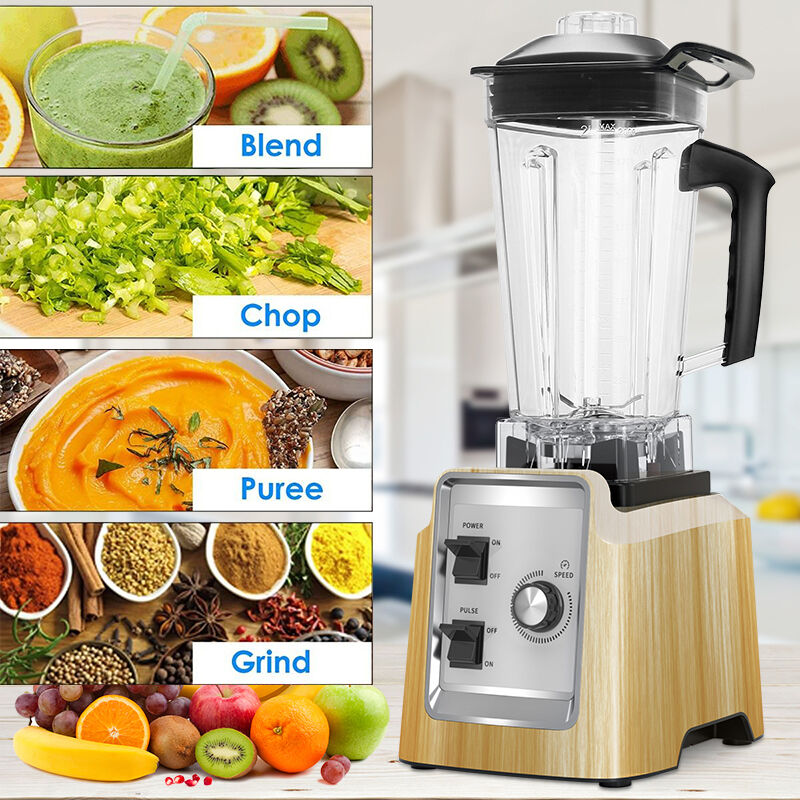
The answer is absolutely yes – a kitchen blender can handle far more than just smoothies, and understanding its full potential can revolutionize your cooking experience. Modern kitchen blender technology has evolved significantly, making these versatile appliances capable of performing numerous culinary tasks that extend well beyond basic fruit and vegetable blending. From preparing hot soups and grinding spices to making nut butters and even kneading dough alternatives, today's kitchen blender units offer remarkable functionality that can streamline meal preparation and reduce the need for multiple specialized appliances.
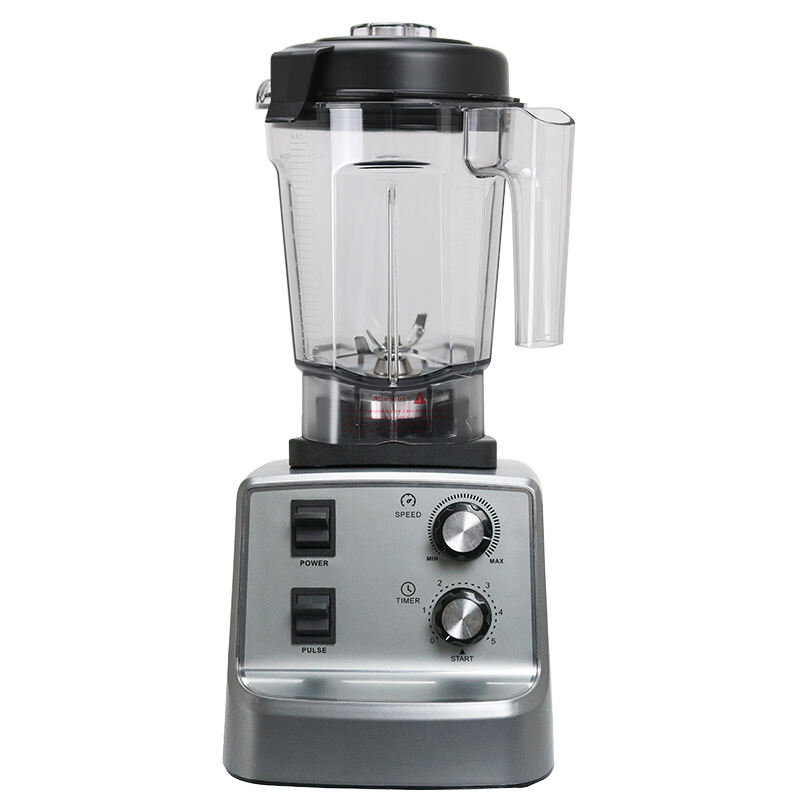
The versatility of a quality kitchen blender stems from its powerful motor system, precision blade design, and variable speed controls that allow users to achieve different textures and consistencies for various culinary applications. While smoothies remain a popular use case, limiting your kitchen blender to this single function means missing out on its true potential as a comprehensive food preparation tool. Professional chefs and home cooks alike have discovered that investing in a high-performance kitchen blender can replace several other appliances while delivering consistent results across a wide range of cooking tasks.
Hot Food Preparation Capabilities
Soup Making and Hot Beverage Creation
One of the most impressive capabilities of a modern kitchen blender is its ability to create hot soups directly through friction heating. High-speed blending generates enough heat through blade friction to warm ingredients to serving temperature, making it possible to prepare hot, creamy soups without using a stovetop. This process works particularly well for vegetable soups, where raw ingredients can be blended with hot broth or water until they reach the desired temperature and consistency.
The kitchen blender excels at creating pureed soups with silky smooth textures that would be difficult to achieve through traditional cooking methods. Ingredients like roasted vegetables, herbs, and seasonings blend seamlessly, creating restaurant-quality soups in minutes. Additionally, the same principle applies to hot beverages like spiced lattes, hot chocolate, and warming herbal drinks where the blending action both mixes ingredients and generates heat for immediate consumption.
Sauce and Puree Development
Creating complex sauces represents another area where a kitchen blender demonstrates its versatility beyond smoothie preparation. The powerful motor and blade system can emulsify oils and vinegars for perfect vinaigrettes, blend herbs and nuts for pesto variations, and create smooth tomato sauces from fresh ingredients. The controlled blending environment ensures consistent texture and prevents the separation issues common with manual whisking methods.
Professional-grade kitchen blender units can handle tough ingredients like roasted peppers for romesco sauce, cooked beans for hummus variations, and even hot peppers for spicy salsas. The ability to control blending speed allows cooks to achieve everything from chunky textures to completely smooth purees, providing flexibility that matches specific recipe requirements and personal preferences.
Grinding and Processing Functions
Spice and Herb Processing
A high-quality kitchen blender serves as an excellent spice grinder, capable of transforming whole spices into fine powders that retain maximum flavor and aroma. The enclosed blending chamber prevents spice particles from escaping while the powerful blades break down even the hardest spices like cardamom pods, cinnamon sticks, and dried chilies. This capability allows home cooks to enjoy freshly ground spices without investing in a separate grinding appliance.
Fresh herb processing represents another valuable application where the kitchen blender excels beyond traditional expectations. Delicate herbs can be processed into pastes, oils, and seasonings that maintain their vibrant colors and intense flavors. The controlled environment prevents oxidation that often occurs with manual chopping, resulting in superior flavor retention and longer storage life for herb-based preparations.
Nut and Grain Processing
The robust motor systems in quality kitchen blender models can handle the demanding task of processing nuts into butters, flours, and meal preparations. Almonds, cashews, peanuts, and other nuts can be transformed into smooth, creamy nut butters without the additives and preservatives found in commercial varieties. The process requires patience and proper technique, but the results often surpass store-bought alternatives in both taste and nutritional value.
Grain processing capabilities extend the kitchen blender functionality into flour production and meal preparation. Oats can be ground into flour for gluten-free baking, while rice and other grains can be processed into various textures for specialized dietary requirements. This versatility makes the kitchen blender an valuable tool for households with specific nutritional needs or those interested in controlling ingredient quality through home processing.
Specialized Culinary Applications
Frozen Dessert Creation
Beyond liquid-based preparations, a powerful kitchen blender can create frozen desserts that rival commercial ice cream makers. Frozen fruits combined with minimal liquid can be processed into instant sorbets, while frozen bananas can be transformed into creamy, ice cream-like desserts without dairy products. The key lies in using the pulse function and tamper tool to achieve proper consistency without over-processing.
The texture control available in advanced kitchen blender units allows for creating everything from chunky frozen treats with visible fruit pieces to smooth, professional-quality sorbets. This capability proves particularly valuable for households with dietary restrictions or those seeking to control sugar content and ingredient quality in frozen desserts.
Batter and Dough Alternatives
While not designed to replace stand mixers entirely, a kitchen blender can handle certain batter and dough preparation tasks effectively. Pancake batters, crepe mixtures, and certain quick bread batters blend beautifully in a kitchen blender, often achieving smoother consistency than manual mixing methods. The controlled blending environment ensures even ingredient distribution without overworking the mixture.
Some kitchen blender models with sufficient power can even handle light dough work, such as pizza dough bases or bread alternatives made with alternative flours. While these applications require careful attention to avoid overheating the motor, they demonstrate the remarkable versatility that extends far beyond the traditional smoothie-making role.
Maximizing Kitchen Blender Performance
Proper Technique and Timing
Achieving optimal results with diverse kitchen blender applications requires understanding proper technique and timing for different ingredients. Dense ingredients benefit from starting at lower speeds and gradually increasing power, while delicate items may require pulse blending to prevent over-processing. Temperature considerations also play a role, as some ingredients blend better at room temperature while others perform optimally when chilled.
Understanding the sequence of ingredient addition can dramatically impact results across various kitchen blender applications. Liquids typically go in first to help create the vortex needed for proper blending, while harder ingredients should be added gradually to prevent motor strain. These techniques apply whether making smoothies, soups, sauces, or any other preparation that extends beyond basic blending tasks.
Maintenance and Longevity Considerations
Using a kitchen blender for diverse applications requires attention to proper maintenance and cleaning procedures to ensure longevity and optimal performance. Different ingredients may require specific cleaning approaches, and understanding these requirements helps preserve both the blender components and the quality of subsequent preparations. Regular maintenance becomes even more critical when using the kitchen blender for challenging tasks like nut butter production or spice grinding.
Motor longevity depends significantly on proper usage patterns and cooling periods between demanding applications. Understanding the limits of your specific kitchen blender model helps prevent overheating and premature wear while maximizing the versatility benefits. Quality models designed for diverse applications typically include thermal protection and robust construction that supports extended use beyond simple smoothie preparation.
FAQ
Can all kitchen blenders handle hot ingredients safely?
Not all kitchen blender models are designed to handle hot ingredients safely. High-quality units typically feature heat-resistant containers and venting systems that allow steam to escape during hot blending operations. Always check your specific model's specifications and never exceed recommended temperature limits to avoid damage to plastic components or potential safety hazards.
How do I prevent my kitchen blender motor from burning out during heavy-duty tasks?
Prevent motor burnout by allowing cooling periods between intensive blending sessions, especially when processing nuts, grains, or other dense ingredients. Use the pulse function for difficult tasks, add ingredients gradually, and ensure adequate liquid when possible. Quality kitchen blender models include thermal protection features, but proper technique and patience remain essential for motor longevity.
What types of ingredients should I avoid putting in my kitchen blender?
Avoid extremely hard items like ice cubes larger than recommended size, bones, large seeds, or fibrous materials that can damage blades. Hot oils above safe temperature limits, carbonated beverages under pressure, and sticky substances like honey without sufficient liquid can also cause problems. Always consult your kitchen blender manual for specific restrictions and safe operating guidelines.
Is it cost-effective to use a kitchen blender instead of buying separate appliances?
Using a high-quality kitchen blender for multiple functions can be highly cost-effective, potentially replacing food processors, spice grinders, and other specialized appliances. However, this depends on your specific cooking needs, frequency of use, and the quality of your kitchen blender model. Professional-grade units offer the best versatility and durability for diverse applications beyond smoothie making.