 Zhongshan city HaiShang Electric Appliances Co,. Ltd
 EN
EN



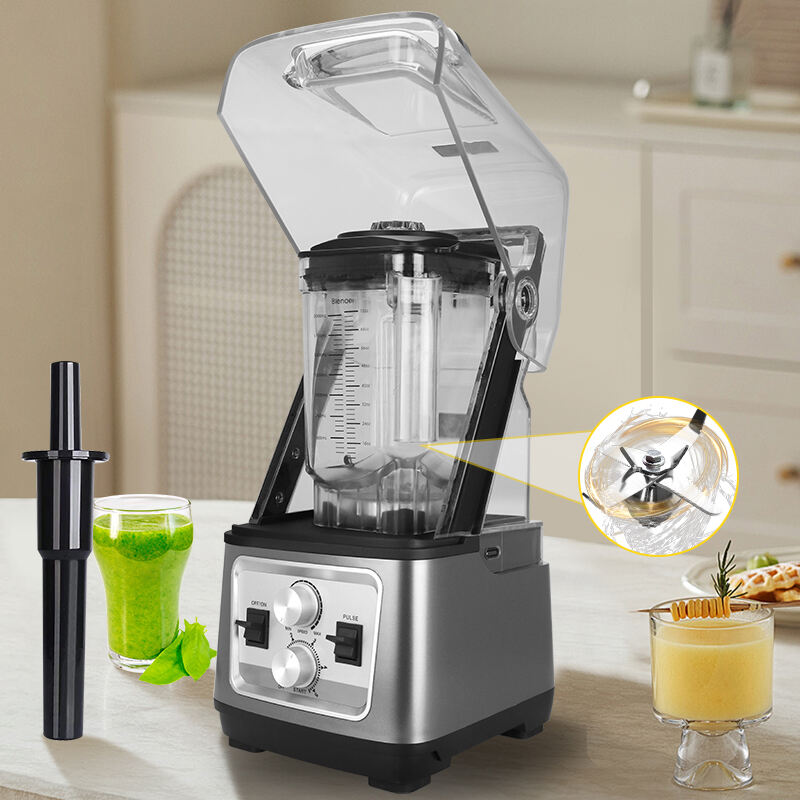
Using a kitchen blender effectively for meal preparation requires understanding both the proper techniques and strategic planning to maximize efficiency. Modern meal prep enthusiasts rely on their kitchen blender to create smoothies, soups, sauces, and purees that can be prepared in advance and stored for busy weekdays. The key to successful blender-based meal prep lies in selecting the right ingredients, following proper blending sequences, and implementing smart storage solutions that maintain freshness and nutritional value throughout the week.
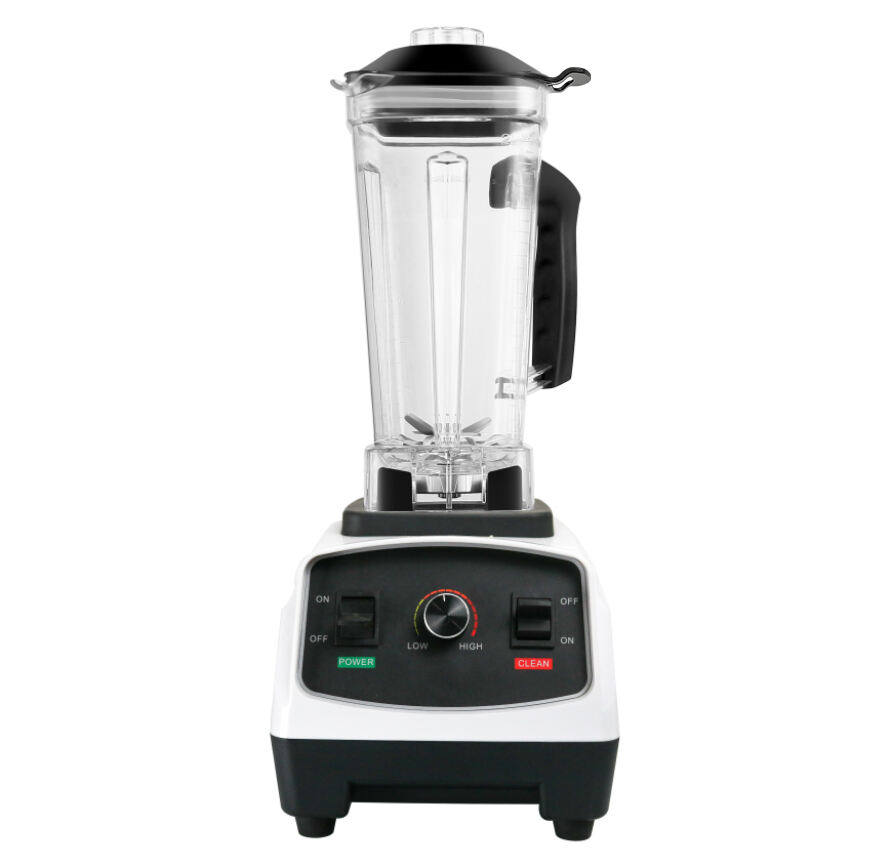
Quick meal preparation with a kitchen blender transforms time-consuming cooking tasks into efficient processes that can be completed within minutes. Whether you are preparing breakfast smoothies for the entire week, creating homemade nut butters, or blending soups that can be frozen in individual portions, mastering blender techniques enables you to maintain a healthy diet without sacrificing precious time. The versatility of a quality kitchen blender extends beyond simple smoothie preparation to include complex meal components that would otherwise require extensive chopping, mixing, and cooking time.
Essential Preparation Techniques for Blender Meal Prep
Ingredient Selection and Preparation Methods
Successful meal prep with a kitchen blender begins with selecting ingredients that blend well together and maintain their nutritional properties over time. Fresh fruits should be washed, peeled when necessary, and cut into appropriately sized pieces that fit easily into your blender jar. Frozen fruits work exceptionally well for smoothies and can be purchased in bulk, stored for extended periods, and used directly from the freezer without thawing. Vegetables like spinach, kale, and carrots should be thoroughly cleaned and chopped to ensure smooth blending without leaving fibrous chunks in your final preparation.
Protein sources such as Greek yogurt, protein powder, nuts, and seeds require specific handling techniques to achieve optimal blending results. Nuts and seeds should be soaked for several hours or overnight when preparing creamy textures, while protein powders should be added gradually to prevent clumping. The order in which ingredients are added to your kitchen blender significantly affects the final texture and consistency of your meal prep items.
Optimal Blending Sequences and Timing
The sequence in which you add ingredients to your kitchen blender determines both the efficiency of the blending process and the quality of the final result. Liquids should always be added first, followed by soft ingredients like yogurt or banana, then harder items such as frozen fruits or vegetables, and finally any powders or supplements. This layering technique ensures that the blades can move freely and create the necessary vortex for thorough mixing without straining the motor.
Timing plays a crucial role in achieving the desired consistency for different meal prep applications. Smoothies typically require thirty to sixty seconds of blending, while nut butters and thick sauces may need several minutes of processing with periodic stops to scrape down the sides. Understanding when to use pulse settings versus continuous blending helps preserve delicate flavors while ensuring complete ingredient incorporation.
Strategic Meal Prep Planning with Your Kitchen Blender
Weekly Menu Development and Batch Preparation
Effective meal prep planning involves creating a weekly menu that maximizes your kitchen blender usage while providing variety and balanced nutrition. Start by identifying which meals and snacks can be prepared using blender techniques, such as breakfast smoothies, soup bases, salad dressings, and protein shakes. Plan complementary flavors that can share similar base ingredients, reducing waste and preparation time while maintaining interesting taste profiles throughout the week.
Batch preparation techniques allow you to prepare large quantities of blender-based meals that can be portioned and stored for multiple days. Consider preparing smoothie packs by pre-portioning frozen fruits and vegetables in individual containers, ready to be blended with liquid each morning. Soup bases can be blended in large batches and frozen in serving-sized portions, while homemade nut butters and seed spreads can be prepared monthly and stored in the refrigerator.
Storage Solutions and Preservation Methods
Proper storage techniques are essential for maintaining the quality and safety of blender-prepared meals throughout the week. Glass containers with airtight seals work best for storing smoothies and soups, as they prevent flavor transfer and maintain freshness better than plastic alternatives. Smoothies should be consumed within twenty-four to forty-eight hours for optimal taste and nutritional value, while frozen portions can last up to three months when properly sealed.
Understanding which blender preparations freeze well and which should be consumed fresh helps optimize your meal prep strategy. Fruit and vegetable smoothies freeze excellently and can be thawed overnight in the refrigerator or blended directly from frozen with additional liquid. Creamy soups and purees also freeze well, while preparations containing dairy products may separate and require re-blending after thawing.
Advanced Kitchen Blender Applications for Comprehensive Meal Prep
Sauce and Condiment Preparation
A high-quality kitchen blender excels at creating homemade sauces and condiments that enhance meal prep dishes while eliminating the need for store-bought alternatives containing preservatives and excessive sodium. Pesto, hummus, salad dressings, and marinades can be prepared in large batches and stored for use throughout the week. These preparations not only save money but also allow complete control over ingredients and flavors.
Creating versatile sauce bases enables you to transform simple meal prep components into varied and flavorful dishes. A basic tahini sauce can be modified with different herbs and spices to complement various protein and vegetable combinations. Similarly, a foundational tomato sauce can be enhanced with different seasonings to create pasta sauces, pizza bases, or soup starters.
Protein and Supplement Integration
Your kitchen blender serves as an excellent tool for incorporating protein powders, supplements, and superfoods into your meal prep routine without compromising taste or texture. Understanding how different protein sources interact with various ingredients helps create satisfying and nutritionally complete meals that support your health and fitness goals.
Plant-based proteins such as hemp hearts, chia seeds, and protein powders can be seamlessly integrated into smoothies, while creating protein-rich spreads and dips requires different blending techniques. Experimenting with combinations of nuts, seeds, and legumes allows you to create custom protein blends that meet specific dietary requirements and taste preferences.
Troubleshooting and Optimization Techniques
Common Blending Challenges and Solutions
Even experienced users encounter challenges when using their kitchen blender for meal prep, particularly when working with difficult-to-blend ingredients or attempting to achieve specific textures. Fibrous vegetables may leave stringy residues, while frozen ingredients can create air pockets that prevent proper blending. Learning to identify and address these issues quickly saves time and prevents frustration during busy meal prep sessions.
Temperature management becomes crucial when preparing certain types of meals with your kitchen blender. Continuous blending can generate heat that affects both taste and nutritional content, particularly in green smoothies where excessive heat can break down sensitive vitamins. Understanding when to pause blending, add ice, or use frozen ingredients helps maintain optimal temperatures throughout the preparation process.
Equipment Maintenance and Longevity
Regular maintenance of your kitchen blender ensures consistent performance and extends its lifespan, making it a reliable partner in your meal prep routine. Proper cleaning techniques prevent residue buildup that can affect motor performance and flavor transfer between different preparations. The blade assembly requires particular attention, as food particles can accumulate in hard-to-reach areas and create hygiene issues.
Understanding the capabilities and limitations of your specific kitchen blender model helps prevent overuse and mechanical problems. Different blenders have varying motor strengths and jar capacities that affect their suitability for different meal prep applications. Respecting these limitations while maximizing efficiency creates a sustainable meal prep routine that can be maintained long-term.
FAQ
How long can blended smoothies be stored in the refrigerator?
Blended smoothies prepared with a kitchen blender can typically be stored in the refrigerator for twenty-four to forty-eight hours while maintaining acceptable taste and nutritional quality. Smoothies containing citrus juice tend to last longer due to the natural preservation properties of vitamin C, while those with dairy products should be consumed within twenty-four hours. For optimal freshness, store smoothies in airtight glass containers and consume them as soon as possible after preparation.
What is the best way to clean a kitchen blender after meal prep sessions?
The most effective cleaning method for a kitchen blender involves filling the jar halfway with warm water and adding a drop of dish soap, then running the blender for thirty to sixty seconds. This self-cleaning technique removes most residue without requiring disassembly. For stubborn residues, particularly from nut butters or thick sauces, allow the jar to soak with warm soapy water before the self-cleaning process. Always rinse thoroughly and dry completely before storage.
Can frozen ingredients be used directly in a kitchen blender without thawing?
Most high-quality kitchen blenders can handle frozen ingredients directly without thawing, though the specific capabilities depend on motor power and blade design. Frozen fruits work exceptionally well and actually help create thicker, creamier textures in smoothies. When using frozen ingredients, start blending at lower speeds and gradually increase to prevent motor strain. Adding liquid first helps create the necessary movement for effective blending of frozen components.
How can I prevent my kitchen blender from overheating during extended meal prep sessions?
Preventing overheating in your kitchen blender during intensive meal prep requires strategic breaks and proper technique. Allow the motor to rest for several minutes between heavy-duty blending tasks, particularly when processing thick mixtures or large quantities. Use the pulse function instead of continuous blending when possible, and add liquids to reduce motor strain. If the blender becomes noticeably warm, stop use immediately and allow it to cool completely before continuing your meal prep session.
Table of Contents
- Essential Preparation Techniques for Blender Meal Prep
- Strategic Meal Prep Planning with Your Kitchen Blender
- Advanced Kitchen Blender Applications for Comprehensive Meal Prep
- Troubleshooting and Optimization Techniques
-
FAQ
- How long can blended smoothies be stored in the refrigerator?
- What is the best way to clean a kitchen blender after meal prep sessions?
- Can frozen ingredients be used directly in a kitchen blender without thawing?
- How can I prevent my kitchen blender from overheating during extended meal prep sessions?