 Zhongshan city HaiShang Electric Appliances Co,. Ltd
 EN
EN



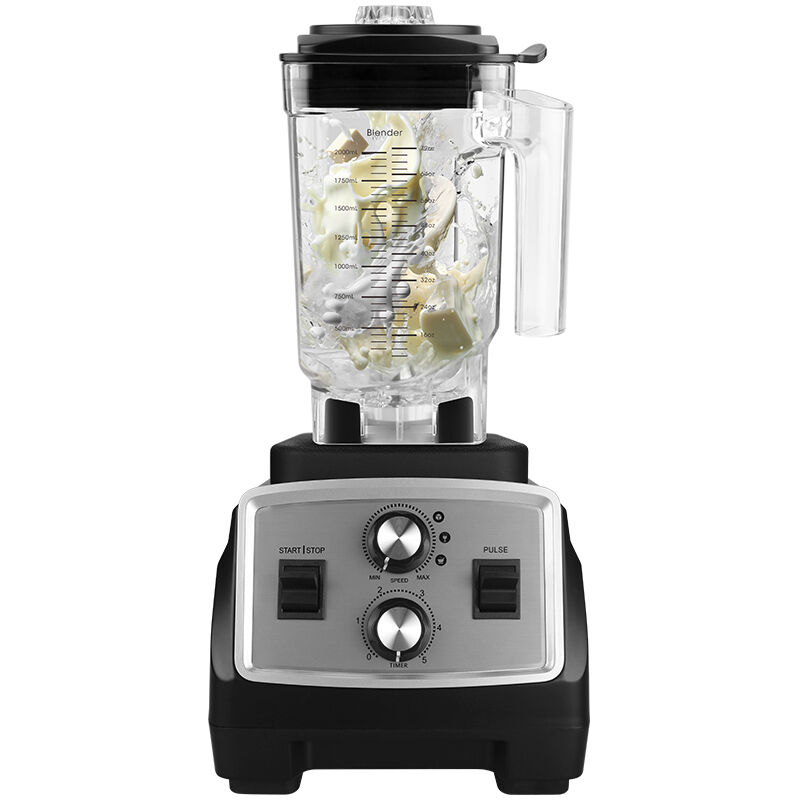
The modern kitchen has evolved tremendously, and at the heart of this transformation lies the versatile electric blender. While many people associate these powerful appliances primarily with creating delicious smoothies and protein shakes, the reality is that an electric blender serves as a multi-functional tool capable of revolutionizing your entire culinary experience. From preparing complex sauces to creating homemade nut butters, the applications extend far beyond the traditional fruit-based beverages most consumers initially consider.
Professional chefs and home cooking enthusiasts alike have discovered that investing in a quality electric blender opens doors to culinary techniques previously reserved for expensive food processors or specialized equipment. The powerful motors and precision-engineered blades found in modern electric blenders enable users to achieve restaurant-quality results across numerous food preparation tasks, making these appliances indispensable for anyone serious about cooking efficiency and versatility.
Culinary Applications Beyond Beverages
Sauce and Dressing Creation
One of the most underutilized functions of an electric blender involves creating smooth, professional-quality sauces and dressings. Unlike traditional whisking methods, blenders can emulsify ingredients completely, creating silky hollandaise sauce, perfect mayonnaise, and complex vinaigrettes with consistent texture every time. The high-speed blades ensure that oil and vinegar-based ingredients combine seamlessly, eliminating the separation issues commonly encountered with manual preparation methods.
Professional kitchens rely heavily on electric blenders for creating large batches of signature sauces, as the consistent results and time-saving capabilities make them invaluable for maintaining quality standards. Home cooks can achieve similar professional results by utilizing their blender's variable speed settings to control the emulsification process, creating everything from delicate herb oils to robust tomato-based sauces with restaurant-quality consistency.
Nut Butter and Paste Production
Creating homemade nut butters represents another exceptional use for electric blenders that many consumers overlook. High-powered blenders can transform raw or roasted nuts into smooth, creamy spreads without requiring additional oils or preservatives commonly found in commercial varieties. The process involves gradually increasing speed while allowing the natural oils in nuts to release and create the desired consistency.
Beyond traditional peanut and almond butters, adventurous cooks can experiment with unique combinations like cashew-coconut butter or spiced pecan spreads. The electric blender enables precise control over texture, allowing users to create everything from chunky, rustic spreads to ultra-smooth, commercial-style products tailored to personal preferences and dietary requirements.
Advanced Food Processing Techniques
Soup and Puree Preparation
Electric blenders excel at creating velvety smooth soups and purees that would be impossible to achieve through traditional mashing or straining methods. The high-speed blending action breaks down fiber structures completely, resulting in soups with luxurious mouthfeel and consistent texture throughout. This capability proves particularly valuable when working with fibrous vegetables like celery, tough root vegetables, or legumes that require thorough processing.
Professional techniques involve blending hot soups directly in the blender, utilizing the friction generated by high-speed blades to actually heat ingredients while simultaneously creating the desired smooth consistency. This dual-function approach saves time and energy while ensuring optimal flavor development through the controlled heating process that occurs during blending operations.
Spice and Seasoning Grinding
Many electric blender models feature specialized grinding capabilities that transform whole spices into fresh, aromatic powders with superior flavor compared to pre-ground alternatives. The controlled grinding action preserves essential oils and volatile compounds that contribute to complex flavor profiles, making freshly ground spices significantly more potent and flavorful than their commercially processed counterparts.
Custom spice blends become easily achievable when using an electric blender for grinding operations. Users can create unique seasoning combinations, adjust ratios to personal taste preferences, and ensure freshness by grinding only the quantities needed for immediate use. This approach proves particularly valuable for specialty cuisines requiring specific spice combinations that may be difficult or expensive to source commercially.
Baking and Dessert Applications
Batter and Dough Preparation
Electric blenders serve as excellent alternatives to traditional mixing methods for certain types of batters and doughs. Pancake batters, crepe mixtures, and thin cake batters benefit from the thorough blending action that eliminates lumps while incorporating air for lighter textures. The consistent mixing action ensures uniform ingredient distribution without the risk of overmixing that can occur with conventional electric mixers.
Specialty applications include creating perfectly smooth batters for delicate desserts like custards, flans, and soufflé bases where texture uniformity directly impacts the final product quality. The precise speed control available in modern electric blenders allows bakers to achieve optimal mixing without developing gluten structures that could negatively affect texture in sensitive preparations.
Frozen Dessert Creation
High-powered electric blenders can create instant frozen desserts using frozen fruits, eliminating the need for specialized ice cream makers or lengthy preparation processes. The powerful motors can break down frozen ingredients while maintaining low temperatures, creating desserts with creamy textures similar to commercial frozen products but with complete control over ingredients and sweetness levels.
Creative applications include producing dairy-free ice cream alternatives using frozen bananas as a base, creating sophisticated sorbets from seasonal fruits, and developing unique flavor combinations that would be difficult to achieve through traditional frozen dessert preparation methods. The immediate gratification aspect makes electric blenders particularly appealing for spontaneous dessert creation and portion control.
Health and Nutrition Optimization
Nutrient Extraction and Bioavailability
Electric blenders provide superior nutrient extraction compared to conventional food preparation methods by breaking down cellular structures more completely. This mechanical breakdown increases the bioavailability of nutrients, particularly fat-soluble vitamins and antioxidants that remain trapped within plant cell walls when foods are consumed whole or minimally processed.
Research indicates that blended fruits and vegetables can provide higher antioxidant absorption rates compared to whole produce consumption, making electric blenders valuable tools for individuals seeking to maximize nutritional benefits from their dietary choices. The complete breakdown of fiber structures also aids digestion while maintaining the beneficial fiber content that supports digestive health.
Specialized Dietary Preparation
Individuals following specific dietary protocols often rely on electric blenders to create specialized food preparations that would be difficult or impossible to achieve manually. Raw food enthusiasts use blenders to create complex dishes like raw soups, cheese alternatives from nuts and seeds, and elaborate desserts that maintain nutritional integrity while achieving sophisticated flavors and textures.
Medical dietary requirements, such as those needed for individuals with swallowing difficulties or digestive issues, can be addressed through careful blending techniques that maintain nutritional density while achieving appropriate textures. The versatility of modern electric blenders enables caregivers to create appealing, nutritious meals that meet specific medical dietary guidelines without sacrificing flavor or visual appeal.
Professional Applications and Commercial Use
Restaurant and Food Service Integration
Professional kitchens integrate electric blenders into numerous daily operations beyond traditional beverage service, utilizing these versatile tools for sauce preparation, soup production, and specialty item creation. The consistency and speed provided by commercial-grade electric blenders enable restaurants to maintain quality standards while managing high-volume operations efficiently.
Menu innovation often depends on the creative applications of standard kitchen equipment, and electric blenders provide chefs with opportunities to develop signature dishes that differentiate their establishments. The ability to create custom sauces, unique purees, and specialized preparations using blending techniques contributes to menu distinctiveness and operational efficiency simultaneously.
Catering and Large-Scale Food Preparation
Large-scale food preparation scenarios benefit enormously from the efficiency and consistency provided by high-capacity electric blenders. Catering operations can prepare large batches of dressings, sauces, and specialty items with uniform quality, reducing labor costs while maintaining the hand-crafted quality that clients expect from professional food service providers.
The scalability of blender-based preparation methods makes them particularly valuable for events requiring consistent quality across large quantities. Wedding caterers, corporate food service providers, and institutional kitchens rely on electric blenders to achieve the quality and consistency necessary for successful large-scale food preparation operations.
FAQ
Can electric blenders replace food processors for all applications
While electric blenders excel at liquid-based preparations and creating smooth textures, they cannot completely replace food processors for all applications. Food processors handle dry ingredients, chunky textures, and slicing operations more effectively, while blenders perform better with wet ingredients and achieving smooth consistencies. The choice depends on the specific application and desired final texture.
What maintenance requirements ensure optimal electric blender performance
Proper maintenance involves regular cleaning of blades and seals, periodic inspection of drive couplings, and following manufacturer guidelines for blade sharpening or replacement. Using appropriate liquid ratios prevents motor strain, while avoiding extremely hard ingredients like ice cubes larger than recommended sizes helps maintain blade integrity and motor longevity.
How do variable speed settings impact blending results
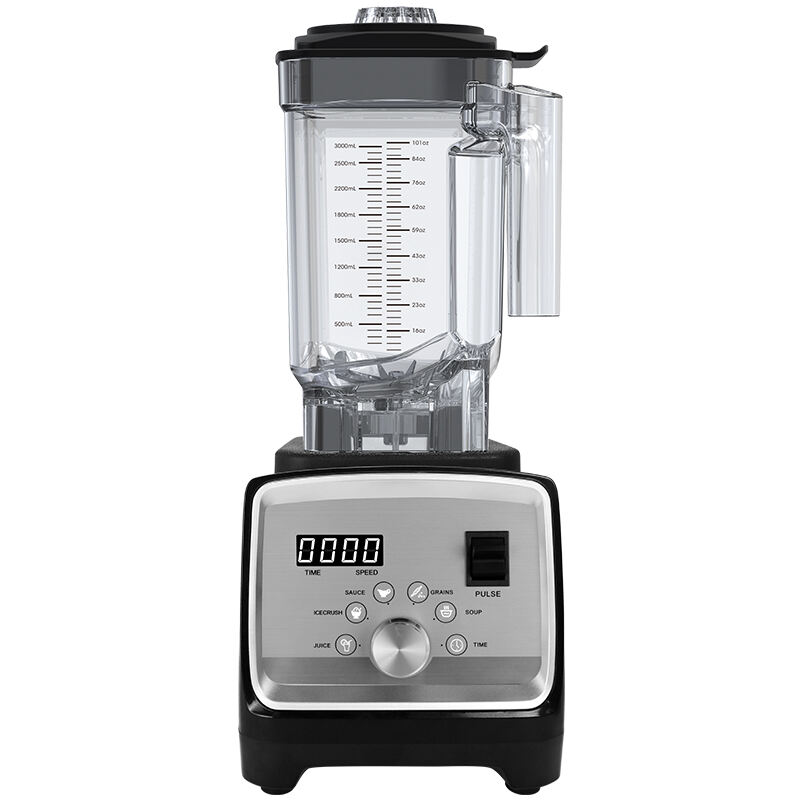
Variable speed settings provide precise control over texture development and ingredient incorporation. Lower speeds work well for initial mixing and chunky textures, while higher speeds create smooth purees and emulsifications. Pulse functions offer additional control for achieving specific textures without over-processing ingredients that might become too smooth or lose desired characteristics.
What safety considerations apply when using electric blenders for hot ingredients
Hot ingredient blending requires specific safety precautions including allowing steam to escape through vented lids, filling containers only to recommended levels to prevent overflow, and using appropriate protective equipment. Starting with lower speeds and gradually increasing prevents sudden pressure buildup, while ensuring proper lid security prevents dangerous hot liquid splashing during operation.