 Zhongshan city HaiShang Electric Appliances Co,. Ltd
 EN
EN



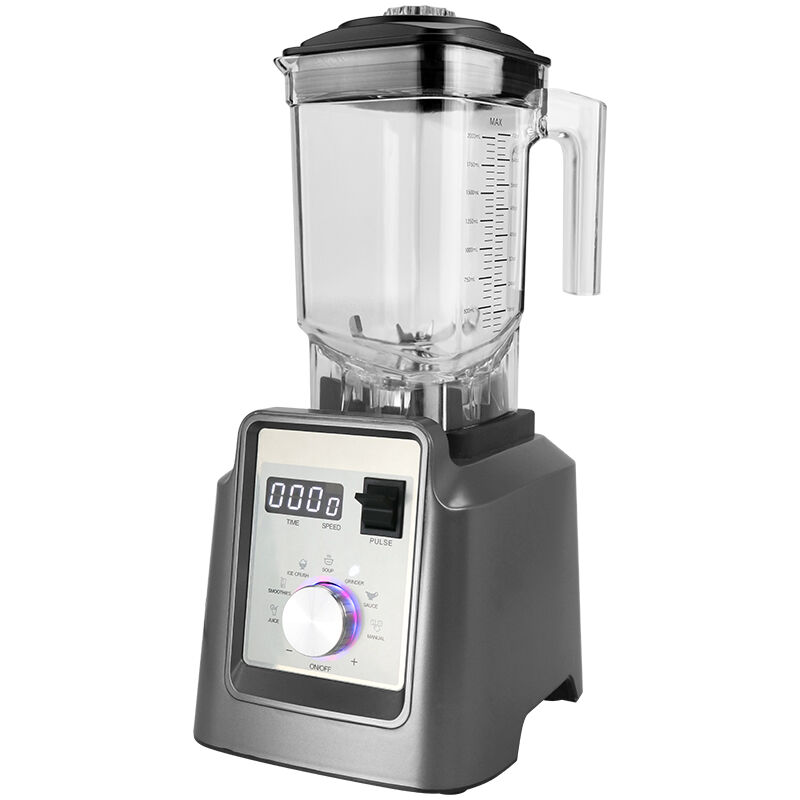
Kitchen appliances have revolutionized food preparation, transforming time-consuming tasks into efficient processes that save both effort and energy. Among these innovations, the electric blender stands as one of the most versatile tools in modern culinary environments, offering capabilities that extend far beyond simple mixing. While traditional manual alternatives have served households for generations, the technological advancement of electric blending systems presents compelling advantages that merit careful consideration for both residential and commercial applications.
The evolution from manual to electric food processing reflects broader technological progress in kitchen equipment design and functionality. Manual alternatives, including hand whisks, mortars and pestles, and mechanical egg beaters, require significant physical effort and time investment to achieve desired results. These traditional methods often struggle with consistency, particularly when processing larger quantities or dense ingredients that demand sustained mechanical force.
Contemporary food preparation demands efficiency without compromising quality, making the choice between electric and manual equipment increasingly important for professional kitchens and discerning home cooks. Understanding the fundamental differences between these approaches enables informed decision-making that aligns with specific culinary requirements, budget constraints, and operational objectives.
Performance and Efficiency Analysis
Speed and Consistency Advantages
Electric blending systems deliver unmatched speed capabilities that dramatically reduce preparation time compared to manual alternatives. High-performance motors generate consistent rotational speeds ranging from 15,000 to 30,000 revolutions per minute, creating uniform texture and thorough ingredient integration that manual methods struggle to achieve. This mechanical consistency ensures reproducible results across multiple batches, eliminating the variability inherent in human-powered mixing techniques.
The precision control offered by modern electric blender systems enables users to achieve specific textures and consistencies through variable speed settings and pulse functions. Professional applications particularly benefit from this controllability, as standardized recipes require exact duplication of processing parameters to maintain product quality and customer satisfaction.
Manual alternatives often produce inconsistent results due to variations in applied force, mixing technique, and operator fatigue over extended processing periods. While skilled practitioners can achieve excellent results with traditional tools, the learning curve and physical demands limit practical application in high-volume or time-sensitive environments.
Processing Power and Versatility
Motor-driven blending systems excel at processing challenging ingredients that overwhelm manual alternatives, including frozen fruits, ice cubes, nuts, and fibrous vegetables. The sustained mechanical power delivered by electric motors enables efficient breakdown of cellular structures, creating smooth purees and emulsions that manual grinding struggles to produce effectively.
Versatility extends beyond basic blending functions, as modern units incorporate multiple processing capabilities including chopping, grinding, and liquid extraction through specialized attachments and blade configurations. This multifunctionality reduces equipment requirements and maximizes workspace efficiency in both residential and commercial settings.
Manual tools typically excel in specific applications but lack the broad functionality of electric systems. While a mortar and pestle produces excellent spice grinding results, it cannot effectively process large quantities of vegetables or create smooth liquid blends required for modern recipes and beverage applications.
Economic and Practical Considerations
Initial Investment and Long-term Value
The upfront cost of quality electric blending equipment typically exceeds manual alternatives by significant margins, with professional-grade units representing substantial capital investments. However, comprehensive cost analysis must consider operational efficiency, time savings, and expanded functionality when evaluating true value proposition over equipment lifespan.
Labor cost reductions in commercial environments often justify electric equipment investments within months of implementation, as automated processing eliminates manual labor requirements and increases throughput capacity. Residential users benefit from time savings that translate to improved work-life balance and enhanced cooking enjoyment through reduced preparation effort.
Maintenance costs for electric systems include periodic motor servicing, blade replacement, and potential electrical component repairs that manual tools avoid entirely. Quality electric units demonstrate excellent longevity when properly maintained, often providing years of reliable service that amortizes initial investment costs across thousands of processing cycles.
Energy and Environmental Impact
Electrical consumption represents an ongoing operational cost for powered blending systems, though modern energy-efficient motors minimize power requirements while maintaining performance standards. Advanced designs incorporate variable speed controls that optimize energy usage based on processing requirements, reducing unnecessary power consumption during lighter applications.
Environmental considerations extend beyond direct energy usage to manufacturing materials, transportation impacts, and end-of-life disposal requirements. Electric units contain electronic components and complex materials that require specialized recycling processes, while manual alternatives typically use simpler materials with lower environmental processing demands.
Sustainable operation practices can minimize environmental impact through proper maintenance, energy-conscious usage patterns, and responsible disposal procedures when equipment reaches end-of-service life. Many manufacturers now offer recycling programs and sustainable design initiatives that address environmental concerns while maintaining performance standards.
Application-Specific Performance
Residential Kitchen Applications
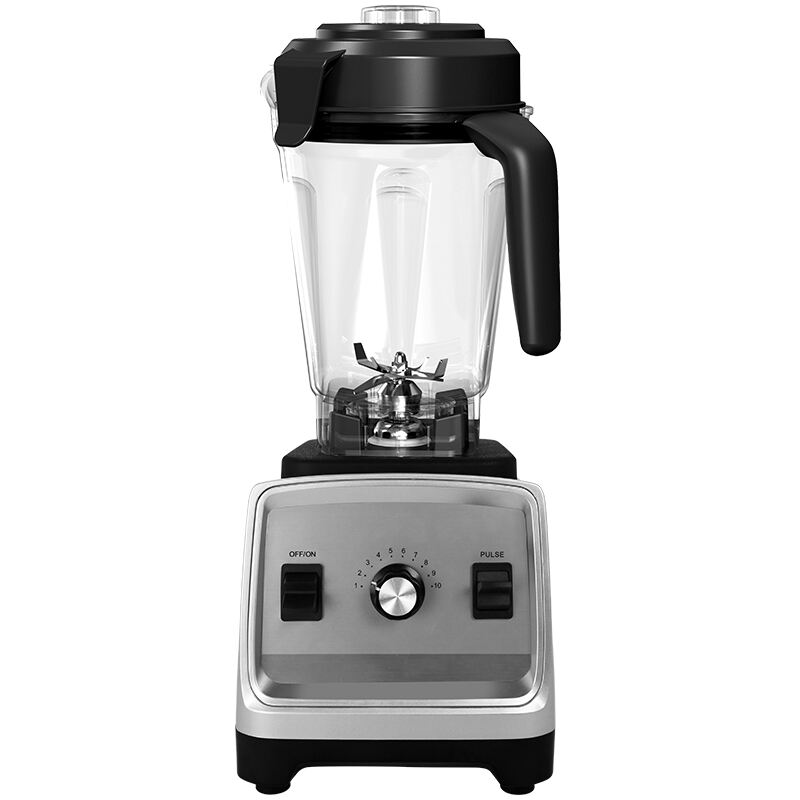
Home cooking applications increasingly demand versatile equipment capable of supporting diverse culinary techniques ranging from smoothie preparation to sauce creation and ingredient processing. Electric blending systems excel in these varied applications through programmable settings, multiple speed options, and specialized processing modes designed for specific food categories.
Family-sized portions often exceed practical limits for manual processing methods, particularly when preparing meals for multiple household members or batch cooking for weekly meal preparation. Electric systems handle large volumes efficiently while maintaining consistent quality across entire batches.
Storage and counter space considerations favor compact electric designs that consolidate multiple functions into single units, reducing overall kitchen equipment requirements compared to maintaining separate manual tools for different processing tasks. Modern designs emphasize space efficiency without compromising processing capabilities.
Commercial and Professional Use
Professional food service environments require equipment capable of sustained high-volume operation while maintaining consistent quality standards demanded by commercial applications. Electric blending systems designed for commercial use incorporate heavy-duty motors, reinforced construction, and enhanced cooling systems that support continuous operation throughout service periods.
Regulatory compliance requirements in commercial kitchens often favor electric equipment that meets standardized safety protocols and provides documented performance specifications required for food safety certifications. Manual alternatives may struggle to meet consistency requirements mandated by health regulations and quality assurance programs.
Staff training and operational efficiency considerations strongly favor electric systems that require minimal specialized technique development compared to manual methods demanding significant skill development for effective operation. Consistent results independent of operator experience level reduce training requirements and improve operational reliability.
Technology and Innovation Trends
Smart Features and Connectivity
Contemporary electric blending systems incorporate advanced technological features including digital controls, preset programs, and wireless connectivity that enhance user experience and processing precision. Smart features enable automated processing cycles optimized for specific ingredients and desired outcomes, reducing operator intervention requirements while ensuring optimal results.
Mobile application integration allows remote monitoring and control capabilities that support busy lifestyles and professional kitchen management requirements. These technological enhancements provide operational flexibility unavailable with traditional manual alternatives while maintaining intuitive operation for users at all skill levels.
Data logging and performance monitoring capabilities assist with maintenance scheduling, usage optimization, and operational cost analysis that supports informed equipment management decisions. Advanced diagnostics identify potential issues before equipment failure, reducing downtime and maintenance costs through proactive intervention.
Safety and Ergonomic Improvements
Modern electric blender designs prioritize user safety through advanced blade guards, automatic shutoff systems, and ergonomic controls that reduce injury risks associated with high-speed operation. Safety interlocks prevent operation when components are improperly assembled, protecting users from potentially dangerous mechanical exposure.
Ergonomic considerations address repetitive strain issues common with manual processing methods, as electric systems eliminate sustained physical effort requirements that contribute to operator fatigue and potential injury over extended use periods. Proper ergonomic design reduces workplace injury risks in commercial environments while improving user comfort in residential applications.
Noise reduction technologies address traditional concerns regarding electric equipment operation in residential environments, with advanced motor designs and sound dampening materials significantly reducing operational noise levels compared to earlier generations while maintaining processing performance.
Maintenance and Durability Factors
Longevity and Reliability
Quality electric blending equipment demonstrates exceptional durability when properly maintained, with professional-grade units often providing decades of reliable service under normal operating conditions. Advanced motor designs incorporate improved bearing systems, enhanced cooling mechanisms, and robust electrical components that resist wear and environmental factors common in kitchen environments.
Preventive maintenance requirements for electric systems include regular cleaning, periodic lubrication, and blade inspection procedures that ensure optimal performance throughout equipment lifespan. Manufacturer support programs typically provide maintenance guidelines, replacement parts availability, and technical assistance that maximize equipment longevity and performance retention.
Manual alternatives generally require minimal maintenance beyond basic cleaning and occasional part replacement, though their simpler construction often results in longer overall lifespan with proper care. However, processing capability limitations may necessitate replacement with more capable equipment as user requirements evolve over time.
Repair and Service Considerations
Service accessibility varies significantly between electric and manual alternatives, with electric systems requiring specialized technical knowledge for motor repairs, electrical troubleshooting, and component replacement procedures. Authorized service networks provide professional repair capabilities that ensure proper restoration of safety features and performance specifications.
Parts availability represents a crucial consideration for long-term equipment viability, as electric components may become obsolete or unavailable for older models. Quality manufacturers maintain parts inventory and service support for extended periods, though eventually all electronic equipment reaches end-of-support status requiring replacement.
Manual tool repair typically involves simpler procedures that users can often perform independently, though replacement costs for quality manual alternatives can approach electric equipment pricing for premium materials and construction quality. Repair feasibility depends primarily on component availability rather than technical complexity.
FAQ
How much electricity does an electric blender consume compared to the effort required for manual alternatives
Most residential electric blenders consume between 300-1500 watts during operation, translating to approximately 0.05-0.25 kWh for typical 2-3 minute blending cycles. At average electricity rates, this represents costs of 1-3 cents per use. Manual alternatives require no electrical energy but demand significant physical effort that can be quantified as 50-200 watts of human energy output over longer processing periods, making electric systems more energy-efficient for most applications when considering time and effort factors.
Can electric blenders handle the same variety of tasks as traditional manual tools
Modern electric blenders excel at liquid-based processing, purees, and high-speed chopping tasks but may struggle with specialized applications where manual tools traditionally excel, such as gentle folding, delicate ingredient incorporation, or precise texture control. However, advanced electric systems with variable speeds and pulse functions can replicate many manual techniques while offering capabilities impossible with hand tools, including ice crushing, nut butter creation, and consistent large-batch processing.
What are the main safety differences between electric and manual blending methods
Electric blenders present unique safety considerations including electrical shock risks, high-speed blade exposure, and potential motor overheating, though modern designs incorporate comprehensive safety features including blade guards, automatic shutoffs, and electrical protection systems. Manual alternatives eliminate electrical hazards but may increase repetitive strain injury risks during extended use and offer less protection from sharp implements during cleaning and operation, making proper technique essential for safe manual processing.
How do maintenance requirements differ between electric and manual blending equipment
Electric blenders require regular cleaning of electrical components, periodic motor maintenance, blade inspection and replacement, and potential electrical system servicing over their operational lifetime. Manual alternatives need basic cleaning and occasional sharpening or part replacement but lack complex mechanical systems requiring specialized maintenance. However, quality electric units often provide longer functional lifespans and consistent performance compared to manual tools that may wear unevenly or lose effectiveness through repeated use.
Table of Contents
- Performance and Efficiency Analysis
- Economic and Practical Considerations
- Application-Specific Performance
- Technology and Innovation Trends
- Maintenance and Durability Factors
-
FAQ
- How much electricity does an electric blender consume compared to the effort required for manual alternatives
- Can electric blenders handle the same variety of tasks as traditional manual tools
- What are the main safety differences between electric and manual blending methods
- How do maintenance requirements differ between electric and manual blending equipment