 Zhongshan city HaiShang Electric Appliances Co,. Ltd
 EN
EN



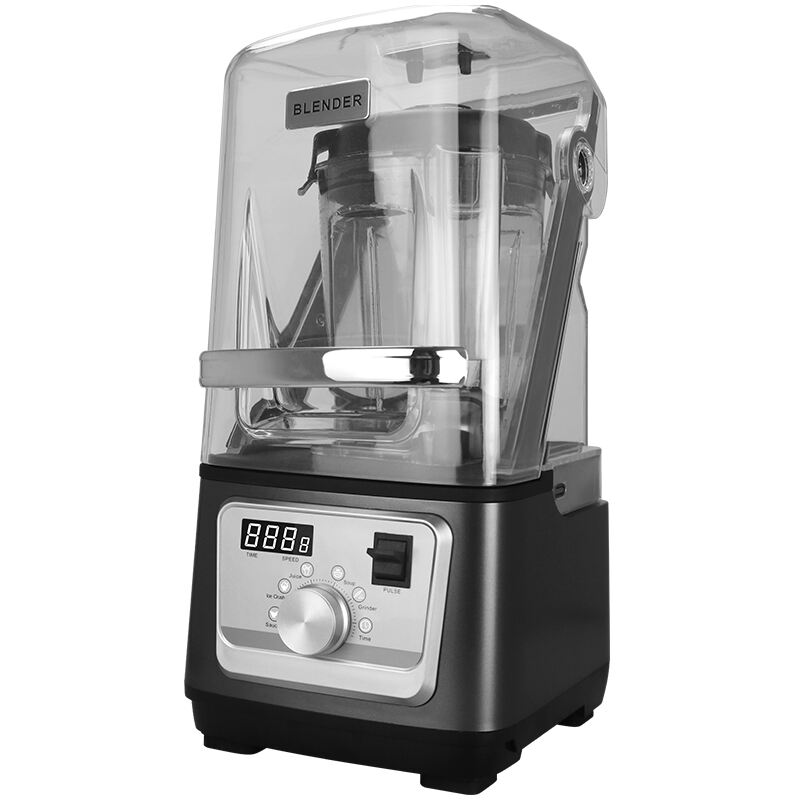
Food texture plays a crucial role in culinary experiences, influencing both taste perception and nutritional absorption. A high speed blender transforms ingredients at the molecular level, creating textures that traditional kitchen appliances simply cannot achieve. These powerful machines operate at velocities exceeding 25,000 RPM, generating enough force to break down cellular walls and create silky-smooth consistencies. Professional chefs and health-conscious consumers increasingly rely on high speed blender technology to unlock the full potential of their ingredients. The ability to create restaurant-quality textures at home has revolutionized modern cooking and healthy eating habits.
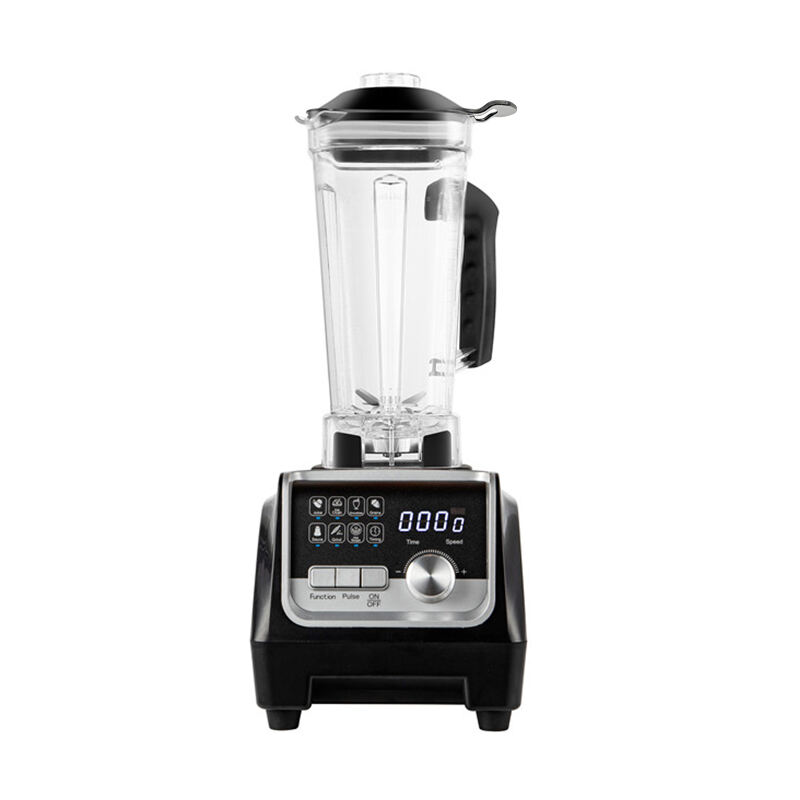
Scientific Principles Behind High Speed Blending
Molecular Breakdown Mechanisms
The science behind high speed blender functionality centers on cavitation and mechanical force generation. When blades rotate at extreme velocities, they create low-pressure zones that cause liquid molecules to form vapor bubbles. These bubbles collapse rapidly, generating microscopic shock waves that pulverize food particles at the cellular level. This process explains why a high speed blender can transform fibrous vegetables into perfectly smooth purees without any gritty texture. The mechanical energy transferred to ingredients exceeds what manual processing or conventional blenders can achieve, resulting in superior texture transformation.
Temperature generation during high-speed blending also contributes to texture enhancement. The friction created by rapid blade movement generates controlled heat that can partially cook ingredients while maintaining their nutritional integrity. This thermal effect helps break down tough plant fibers and proteins, creating smoother textures in raw preparations. Understanding these scientific principles helps users optimize their blending techniques for specific texture goals.
Blade Design and Engineering
Advanced blade engineering distinguishes professional-grade high speed blender models from standard kitchen appliances. Multi-tiered blade systems create different cutting patterns and fluid dynamics within the blending chamber. The precise angles and positioning of these blades generate cyclonic action that pulls ingredients downward while simultaneously creating upward turbulence. This circulation pattern ensures uniform processing and prevents ingredient separation during blending cycles.
Material composition of high-performance blades affects texture outcomes significantly. Hardened stainless steel maintains sharp edges through thousands of blending cycles, ensuring consistent texture results over time. The blade geometry also influences particle size distribution, with some designs optimized for ultra-fine textures while others excel at creating specific consistencies for different food categories.
Texture Transformation Applications
Smoothie and Beverage Enhancement
Smoothie preparation represents one of the most popular applications for high speed blender technology. These machines eliminate the grainy texture often associated with protein powders, creating perfectly integrated beverages without lumps or separation. The powerful motor and blade combination can process frozen fruits directly, maintaining cold temperatures while achieving creamy consistencies. Green smoothies benefit particularly from high-speed processing, as leafy vegetables break down completely, eliminating the fibrous mouthfeel that many consumers find objectionable.
Nut milk production showcases another texture enhancement capability of advanced blending systems. A high speed blender can extract maximum liquid from nuts while creating silky textures that rival commercial dairy alternatives. The fine particle breakdown ensures smooth mouthfeel without requiring extensive straining processes. This application demonstrates how proper blending technique can transform raw ingredients into restaurant-quality beverages.
Sauce and Puree Creation
Professional kitchens rely on high speed blender technology for consistent sauce production. Emulsification capabilities allow for stable mayonnaises, hollandaise sauces, and vinaigrettes that maintain their texture over extended periods. The rapid blade movement creates the necessary friction to form stable emulsions between oil and water-based ingredients, resulting in smooth, uniform textures that enhance culinary presentations.
Vegetable purees achieve restaurant-quality smoothness when processed in high-performance blenders. Root vegetables, squashes, and other fibrous produce transform into velvety textures suitable for fine dining applications. The ability to create perfectly smooth purees without additional liquid or stabilizers preserves the natural flavors and nutritional content of ingredients while elevating their textural appeal.
Nutritional Benefits Through Texture Enhancement
Improved Digestibility
Enhanced food texture through high speed blender processing directly impacts nutritional absorption and digestibility. When plant cell walls break down completely, nutrients become more bioavailable for human absorption. This mechanical pre-digestion reduces the energy required for natural digestive processes while maximizing nutrient uptake. Elderly individuals and those with digestive sensitivities particularly benefit from these texture modifications, as smooth consistencies reduce digestive strain.
The creation of uniform particle sizes through high-speed blending increases the surface area available for digestive enzymes. This expanded contact area accelerates nutrient extraction during digestion, leading to more efficient absorption of vitamins, minerals, and phytonutrients. Research indicates that properly processed vegetables and fruits provide higher nutrient bioavailability compared to whole or roughly chopped alternatives.
Portion Integration and Variety
Texture enhancement capabilities of modern high speed blender systems enable seamless integration of diverse ingredients that might otherwise be rejected due to unpalatable textures. Leafy greens, seeds, and nutritional supplements blend imperceptibly into beverages and dishes, increasing overall nutritional density without compromising taste or mouthfeel. This integration potential helps individuals meet recommended daily intake levels for various nutrients that might be difficult to consume in their whole form.
The ability to create appealing textures from nutritious but traditionally unpopular ingredients expands dietary variety significantly. Vegetables that children or picky eaters typically avoid become acceptable when processed into smooth, creamy textures. This application demonstrates how texture modification can overcome psychological barriers to healthy eating while maintaining nutritional integrity.
Commercial and Industrial Applications
Restaurant and Foodservice Operations
Commercial kitchens depend on high speed blender technology for consistent texture standards across large-volume food production. These powerful machines reduce labor costs while ensuring uniform product quality that meets professional culinary standards. The ability to process large quantities quickly makes high speed blender systems essential for busy restaurant operations where consistency and efficiency determine profitability.
Texture standardization through mechanical processing eliminates human variable factors in food preparation. Professional chefs can replicate exact textures across multiple service periods, ensuring customer satisfaction and brand consistency. This reliability factor makes high-performance blending equipment a worthwhile investment for establishments focused on quality control and operational efficiency.
Food Manufacturing and Processing
Industrial food production relies heavily on high speed blender technology for texture development in manufactured products. Baby foods, health supplements, and specialty dietary products require specific texture parameters that only advanced blending systems can achieve consistently. The precision control available in commercial-grade equipment allows manufacturers to meet strict quality specifications while maintaining production efficiency.
Research and development applications in food science utilize high speed blender capabilities to explore new texture possibilities and ingredient combinations. The ability to control particle size distribution and consistency enables food scientists to create innovative products that meet evolving consumer preferences for texture and mouthfeel. This technological foundation supports continued advancement in food texture science and product development.
Maintenance and Optimization Strategies
Performance Preservation Techniques
Maintaining optimal texture enhancement capabilities requires systematic care and maintenance of high speed blender components. Regular blade inspection and sharpening ensure consistent cutting performance that directly affects texture outcomes. Worn or damaged blades create irregular particle sizes and reduce the overall effectiveness of the blending process, leading to suboptimal texture results.
Motor maintenance and proper ventilation prevent overheating that can damage internal components and reduce blending efficiency. Temperature monitoring during extended blending cycles helps preserve motor longevity while maintaining consistent performance standards. Proper maintenance protocols extend equipment lifespan while ensuring reliable texture enhancement capabilities throughout the operational period.
Technique Optimization Methods
Optimal texture results require understanding proper ingredient ratios and processing sequences when using high speed blender equipment. Layer positioning affects circulation patterns and processing efficiency, with liquids typically placed at the bottom to facilitate proper blade engagement. Sequential addition of ingredients during blending cycles can improve texture outcomes compared to adding all components simultaneously.
Processing time control prevents over-blending that can negatively impact texture quality. While high speed blender systems work quickly, extended processing can generate excessive heat or create undesirable consistency changes in certain ingredients. Understanding the optimal processing duration for different food categories helps users achieve desired texture results consistently.
FAQ
How does blade speed affect food texture in high speed blenders
Blade speed directly correlates with particle size reduction and texture smoothness in high speed blender applications. Higher velocities create more violent cavitation effects that break down food particles more completely, resulting in smoother, more uniform textures. However, optimal speed settings vary by ingredient type, with some foods requiring moderate speeds to prevent over-processing while others benefit from maximum velocity for proper texture development.
What ingredients benefit most from high speed blending for texture enhancement
Fibrous vegetables, frozen fruits, nuts, and seeds experience the most dramatic texture improvements when processed in a high speed blender. These ingredients contain tough cellular structures that resist breakdown in conventional processing methods. Leafy greens, root vegetables, and protein-rich seeds transform from gritty or fibrous textures to completely smooth consistencies that enhance both palatability and digestibility.
Can high speed blending damage nutritional content while improving texture
Modern high speed blender technology actually enhances nutritional availability while improving texture in most applications. The mechanical breakdown of cell walls increases bioavailability of nutrients that would otherwise remain locked within plant structures. While brief heat generation occurs during processing, the short duration prevents significant nutrient degradation while facilitating better absorption of vitamins, minerals, and phytonutrients.
How do commercial high speed blenders differ from home models for texture results
Commercial high speed blender units typically feature more powerful motors, reinforced blade assemblies, and enhanced cooling systems that enable superior texture results compared to residential models. These professional-grade features allow for longer processing times, larger batch sizes, and more consistent texture outcomes. However, high-quality home models can achieve comparable texture results for typical household applications when properly utilized and maintained.