 Zhongshan city HaiShang Electric Appliances Co,. Ltd
 EN
EN



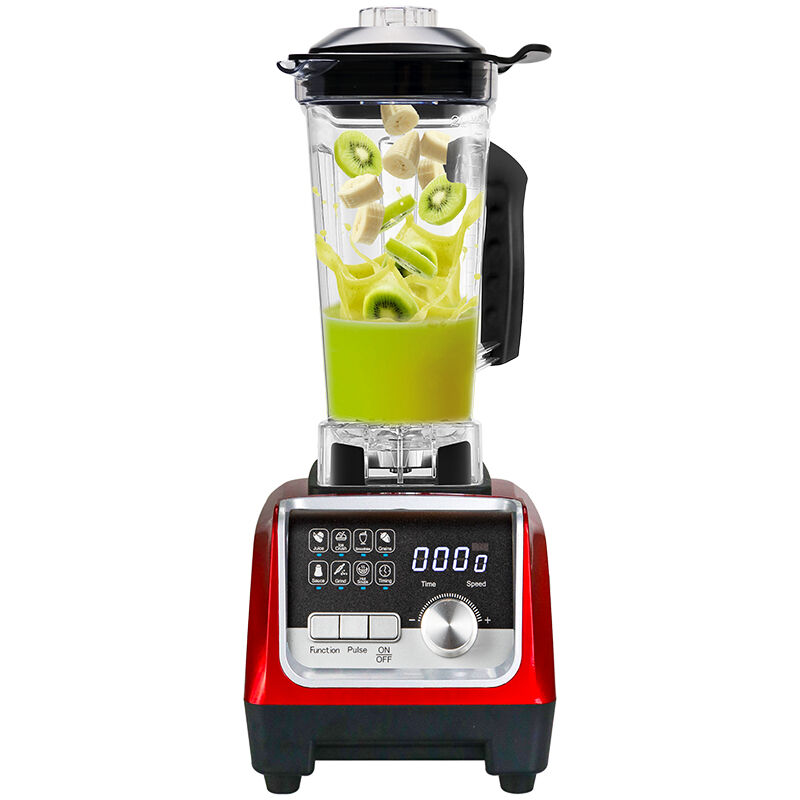
In today's fast-paced world, busy home cooks are constantly searching for kitchen appliances that can streamline meal preparation without compromising on quality or nutrition. A food blender has emerged as one of the most versatile and indispensable tools in the modern kitchen, offering solutions for everything from quick breakfast smoothies to elaborate dinner preparations. The ability to transform whole ingredients into perfectly blended mixtures within seconds makes this appliance a game-changer for anyone juggling multiple responsibilities while maintaining a commitment to home-cooked meals.
The modern food blender represents decades of engineering innovation, combining powerful motors with precision-designed blades to handle a wide variety of culinary tasks. Unlike basic mixing tools, these sophisticated appliances can pulverize ice, emulsify oils, and create silky-smooth textures that would otherwise require extensive manual effort or multiple specialized tools. This technological advancement has revolutionized how we approach meal preparation, making complex recipes accessible to home cooks regardless of their skill level or available time.
Time-Saving Benefits for Busy Schedules
Rapid Meal Preparation Capabilities
The primary advantage of owning a food blender lies in its ability to dramatically reduce preparation time for numerous recipes. Morning smoothies that once required careful chopping and mashing can now be prepared in under two minutes, allowing busy professionals to maintain nutritious breakfast routines even during hectic weekday schedules. The powerful motor and sharp blades work together to break down fibrous fruits and vegetables instantly, creating smooth, digestible beverages that pack maximum nutritional value into minimal preparation time.
Beyond breakfast beverages, a quality food blender excels at preparing quick sauces, dressings, and marinades that would traditionally require extensive whisking or chopping. Homemade pesto can be ready in thirty seconds, while complex salad dressings blend perfectly without the risk of separation. This efficiency extends to soup preparation, where cooked vegetables can be transformed into velvety purees without the need for time-consuming straining or mashing processes.
Streamlined Cleanup Process
Modern food blender designs prioritize easy maintenance, featuring removable blade assemblies and dishwasher-safe components that minimize post-cooking cleanup time. Many models include self-cleaning functions that require only water and a drop of dish soap, eliminating the need for disassembly and detailed scrubbing. This convenience factor proves especially valuable for busy households where every saved minute contributes to better work-life balance.
The single-container design of most blenders also reduces the number of dishes requiring washing compared to traditional food preparation methods. Instead of using multiple bowls, cutting boards, and utensils, cooks can accomplish complex mixing tasks using just the blender container and perhaps a measuring cup. This streamlined approach to cooking preparation supports sustainable kitchen practices while reducing overall cleanup burden.
Nutritional Advantages and Health Benefits
Enhanced Nutrient Absorption
Scientific research consistently demonstrates that blending fruits and vegetables can improve nutrient bioavailability by breaking down cellular walls that might otherwise limit absorption during digestion. A high-quality food blender creates microscopic particles that allow the digestive system to access vitamins, minerals, and antioxidants more efficiently than whole produce consumption alone. This mechanical pre-digestion process proves particularly beneficial for individuals with compromised digestive systems or those seeking to maximize nutritional intake from limited food quantities.
The ability to incorporate whole fruits and vegetables, including peels and seeds that are often discarded during traditional preparation methods, significantly increases the fiber content and nutritional density of blended meals. Apple peels contain quercetin, grape seeds provide resveratrol, and citrus peels offer concentrated essential oils and flavonoids that contribute to overall health benefits. By utilizing a powerful food blender, home cooks can capture these nutrients that would otherwise be wasted.
Portion Control and Meal Planning
Blended meals naturally promote better portion control by creating satisfying, nutrient-dense options that help regulate appetite and prevent overeating. The combination of fiber, protein, and healthy fats in well-designed smoothie recipes creates sustained energy release throughout the day, reducing cravings for processed snacks and supporting weight management goals. This nutritional balance proves especially valuable for busy individuals who might otherwise rely on convenient but less healthy food options.
Meal planning becomes significantly more manageable with a reliable food blender in the kitchen arsenal. Batch preparation of smoothie ingredients, pre-portioned and frozen in individual containers, allows for weeks of healthy breakfast options that require minimal morning preparation time. Similarly, large batches of pureed soups or sauces can be prepared during weekend cooking sessions and stored for quick weeknight meals.
Versatility in Culinary Applications
Beyond Traditional Smoothie Making
While smoothies represent the most common application for home food blenders, these versatile appliances excel at numerous other culinary tasks that busy cooks find invaluable. Nut butters, traditionally expensive when purchased commercially, can be prepared at home using raw nuts and a powerful blender, resulting in fresher flavors and customizable consistency. The process requires patience but minimal active involvement, making it perfect for multitasking home cooks.
Frozen dessert preparation represents another area where food blenders shine, transforming frozen fruits into healthy ice cream alternatives without added sugars or artificial ingredients. Banana-based nice cream, berry sorbets, and even sophisticated flavor combinations can be prepared in minutes, offering healthier dessert options for families concerned about sugar intake and artificial additives commonly found in commercial frozen treats.
Professional-Quality Results at Home
Restaurant-quality emulsifications, traditionally requiring specialized equipment and advanced techniques, become accessible to home cooks through high-performance food blender technology. Mayonnaise, hollandaise sauce, and complex vinaigrettes achieve perfect consistency without the risk of separation or curdling that often frustrates novice cooks attempting these recipes manually. The controlled blending environment ensures consistent results regardless of ambient temperature or humidity conditions.
Bread making enthusiasts discover that food blenders excel at preparing perfectly smooth batters for quick breads, pancakes, and muffins, eliminating lumps while preventing overmixing that can result in tough textures. The precise control offered by variable speed settings allows bakers to achieve optimal mixing without developing excess gluten, resulting in tender, professional-quality baked goods with minimal effort.
Economic Benefits and Cost Effectiveness
Reduced Food Waste and Ingredient Optimization
Food blenders excel at utilizing produce that might otherwise be discarded due to aesthetic imperfections or approaching expiration dates. Overripe bananas become perfect smoothie ingredients, while slightly wilted leafy greens retain full nutritional value when blended into beverages or pureed soups. This ability to maximize ingredient utilization directly translates to reduced grocery costs and less food waste, supporting both economic and environmental sustainability goals.
The capacity to purchase frozen fruits and vegetables in bulk quantities provides additional cost savings while ensuring year-round access to nutritious ingredients. Frozen produce often costs significantly less than fresh alternatives while maintaining comparable nutritional profiles, especially when intended for blending applications where texture differences become irrelevant. Smart shoppers can stock up during sales and create diverse meal options without concern for spoilage.
Long-Term Investment Value
Quality food blenders represent excellent long-term investments for busy households, often lasting decades with proper maintenance while providing daily utility. The initial purchase cost quickly amortizes when compared to the ongoing expense of purchasing commercial smoothies, protein shakes, or specialty sauces that can easily be prepared at home for a fraction of the retail price. Professional smoothies often cost five to ten dollars each, while homemade versions typically cost under two dollars including premium ingredients.
The durability of well-engineered food blenders means that busy families can depend on consistent performance for years without requiring replacement or significant maintenance expenses. Many manufacturers offer extended warranties and replacement part availability, ensuring that these appliances continue providing value throughout their operational lifespan. This reliability proves especially important for households that integrate blended meals into daily routines.
FAQ
What features should busy home cooks prioritize when selecting a food blender
Busy home cooks should prioritize motor power, typically looking for models with at least 1000 watts to handle tough ingredients like frozen fruits and fibrous vegetables efficiently. Variable speed controls and preset programs offer convenience for consistent results without guesswork. Easy-to-clean designs with dishwasher-safe components and self-cleaning functions significantly reduce maintenance time, while durable construction ensures reliable daily performance.
How can a food blender help with meal prep for the entire week
A food blender enables efficient batch preparation of smoothie ingredients, sauces, and pureed soups that can be portioned and stored for quick weekday meals. Pre-cut and frozen smoothie ingredients can be portioned into individual containers, requiring only liquid addition and blending each morning. Large batches of homemade nut butters, salad dressings, and soup bases can be prepared during weekend cooking sessions and stored for multiple uses throughout the week.
What types of recipes work best for time-pressed cooking schedules
Quick smoothie recipes combining fruits, vegetables, protein powder, and healthy fats provide complete nutrition in under three minutes of preparation time. One-step soup recipes using pre-cooked ingredients that require only blending and heating offer satisfying meals with minimal active cooking time. Simple sauce and dressing recipes that blend in thirty seconds or less can transform basic ingredients into flavorful, restaurant-quality dishes without extensive preparation.
Are expensive food blenders worth the investment for casual home cooks
Higher-end food blenders typically offer more powerful motors, better blade design, and superior durability that justify their cost for households that plan to use them regularly. The improved performance in handling tough ingredients and creating smoother textures can significantly impact recipe results and user satisfaction. However, mid-range models often provide excellent value for casual users who primarily prepare simple smoothies and basic blended recipes, making the investment decision dependent on intended usage frequency and recipe complexity.