 Zhongshan city HaiShang Electric Appliances Co,. Ltd
 EN
EN



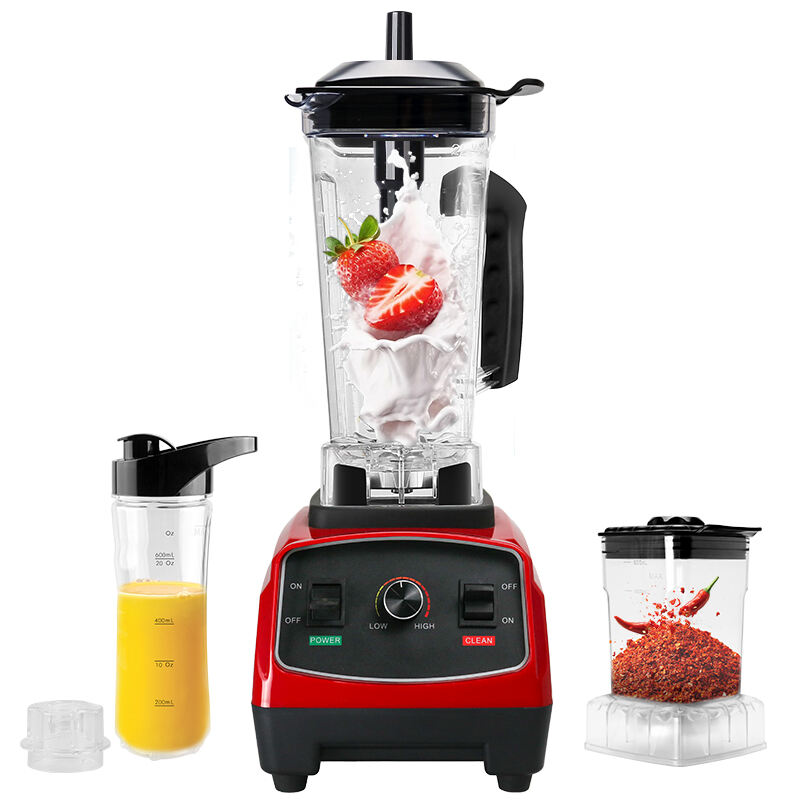
When exploring healthy beverage options for your kitchen, understanding the fundamental differences between a juice blender and traditional juicer becomes essential for making informed purchasing decisions. These two appliances serve distinct purposes in food preparation, each offering unique advantages for creating nutritious drinks and smoothies. Modern households increasingly recognize that a juice blender provides versatility beyond simple juice extraction, allowing users to create complete beverages that retain valuable fiber content and nutritional density. The choice between these appliances depends on personal preferences, dietary goals, and intended usage patterns that align with specific lifestyle requirements.
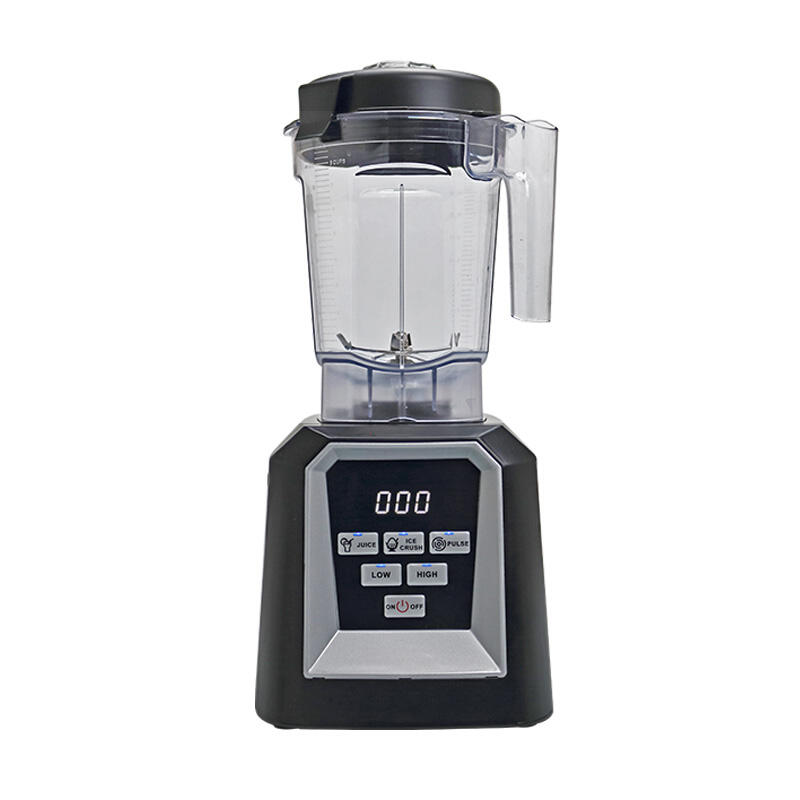
Core Operational Differences Between Blenders and Juicers
Mechanical Processing Methods
The primary distinction between a juice blender and juicer lies in their mechanical processing approaches. A juice blender utilizes high-speed rotating blades to pulverize entire fruits and vegetables, creating smooth mixtures that incorporate all components including pulp, skin, and seeds where applicable. This comprehensive blending process ensures that no nutritional elements are separated or discarded during preparation. The powerful motor systems in modern juice blender units can achieve blade speeds exceeding 20,000 rotations per minute, generating sufficient force to break down even fibrous ingredients like celery stalks or leafy greens.
Juicers operate through entirely different extraction mechanisms, typically employing either centrifugal force or slow-press technology to separate liquid components from solid matter. Centrifugal juicers spin ingredients at high speeds while pressing them against perforated screens, allowing juice to flow through while collecting pulp in separate chambers. Masticating or slow juicers use auger systems to crush and press produce, extracting maximum liquid content through gradual compression rather than rapid spinning motion.
End Product Characteristics
Beverages produced by a juice blender maintain their original fiber content, creating thicker consistencies that provide sustained energy release and improved digestive health benefits. These blended drinks retain all nutritional components present in original ingredients, including insoluble fibers that promote healthy gut function and blood sugar regulation. The texture of juice blender creations typically ranges from smooth purees to slightly chunky mixtures, depending on ingredient selection and blending duration.
Traditional juicers produce clear, smooth liquids with most fiber content removed during the extraction process. While these beverages offer concentrated vitamin and mineral content, they lack the filling properties and sustained energy benefits associated with fiber retention. Juiced beverages are absorbed more rapidly by the digestive system, potentially causing faster blood sugar fluctuations compared to fiber-rich alternatives from a juice blender.
Nutritional Value Comparison
Fiber Content and Digestive Benefits
A significant advantage of using a juice blender involves preserving dietary fiber that supports optimal digestive function and overall health maintenance. Fiber content in blended beverages slows nutrient absorption, preventing rapid blood sugar spikes while promoting sustained energy levels throughout the day. Research indicates that adequate fiber intake contributes to cardiovascular health, weight management, and reduced risk of developing chronic diseases such as diabetes and certain cancers.
The comprehensive nutrient profile achieved through juice blender processing includes both soluble and insoluble fiber types, each providing distinct health benefits. Soluble fibers help regulate cholesterol levels and stabilize blood glucose, while insoluble fibers promote regular bowel movements and support beneficial gut bacteria populations. This complete nutritional package makes juice blender beverages particularly valuable for individuals seeking maximum health benefits from their fruit and vegetable consumption.
Vitamin and Mineral Concentration
While traditional juicers can produce beverages with higher vitamin concentrations per fluid ounce, a juice blender offers superior overall nutritional value when considering complete ingredient utilization. Blended beverages retain water-soluble vitamins like vitamin C and B-complex compounds, along with fat-soluble vitamins A, D, E, and K that may be present in seeds or skins typically removed during juicing processes.
The oxidation concerns associated with high-speed blending in a juice blender are often overstated, as most nutrient loss occurs through extended storage rather than brief mechanical processing. Modern juice blender designs incorporate features that minimize heat generation and air incorporation, preserving sensitive nutrients while creating smooth, palatable beverages that encourage regular consumption of fruits and vegetables.
Versatility and Application Range
Ingredient Compatibility
The adaptability of a juice blender extends far beyond fruit and vegetable processing, accommodating diverse ingredients that cannot be effectively utilized in traditional juicers. Nuts, seeds, protein powders, yogurt, and frozen ingredients blend seamlessly to create nutritionally complete meals and snacks. This versatility makes a juice blender indispensable for households seeking to maximize their appliance investments while expanding culinary possibilities.
Leafy greens, which can clog or damage conventional juicer mechanisms, process effortlessly in a quality juice blender, allowing users to incorporate nutrient-dense ingredients like spinach, kale, and herbs into their daily routines. The ability to combine various textures and consistencies enables creative recipe development that addresses specific dietary requirements and taste preferences.
Recipe Flexibility and Meal Options
Beyond beverage creation, a juice blender serves multiple culinary functions including smoothie bowls, soups, sauces, and even ice cream alternatives. This multifunctionality eliminates the need for multiple specialized appliances, saving both kitchen space and financial resources. Professional-grade juice blender models can handle hot ingredients for soup preparation, demonstrating their superior versatility compared to single-purpose juicing equipment.
The meal replacement potential of juice blender creations appeals to busy professionals and health-conscious consumers seeking convenient nutrition solutions. Complete protein sources, healthy fats, complex carbohydrates, and essential micronutrients can be combined into satisfying beverages that support weight management goals and active lifestyles.
Maintenance and Operational Considerations
Cleaning and Maintenance Requirements
The cleaning process for a juice blender typically involves simpler procedures compared to traditional juicers with multiple components and intricate mechanisms. Most juice blender models feature removable blade assemblies and dishwasher-safe containers that facilitate quick cleanup after use. The self-cleaning capabilities of many modern juice blender units allow users to add warm water and dish soap, then run a brief blending cycle to remove residual ingredients.
Juicers require more extensive disassembly and cleaning procedures, particularly models with multiple screens, augers, and pulp collection chambers. The fine mesh screens used in centrifugal juicers can become clogged with fibrous materials, requiring specialized brushes and thorough rinsing to maintain optimal performance. This increased maintenance complexity can discourage regular use among busy consumers.
Durability and Longevity Factors
High-quality juice blender construction typically emphasizes robust motor systems and durable blade assemblies designed to withstand frequent use with various ingredient types. The simpler mechanical design of most juice blender models results in fewer potential failure points compared to complex juicing mechanisms. Regular maintenance and proper usage techniques can extend juice blender lifespan significantly, providing excellent long-term value for investment.
The wear patterns associated with juice blender operation primarily affect blade sharpness and motor bearings, both of which can be maintained or replaced as needed. Quality manufacturers often provide extensive warranty coverage and replacement part availability, ensuring continued performance over many years of regular use.
Cost-Effectiveness and Value Analysis
Initial Investment Comparison
The price range for quality juice blender options typically spans from budget-friendly models under one hundred dollars to professional-grade units costing several hundred dollars. This variety allows consumers to select models that match their specific needs and budget constraints while still achieving excellent blending performance. Mid-range juice blender models often provide optimal balance between functionality and affordability for most household applications.
Traditional juicers, particularly masticating models, often carry higher price points due to their specialized extraction mechanisms and precision manufacturing requirements. The initial cost difference becomes more significant when considering the multifunctional capabilities of a juice blender versus the single-purpose nature of dedicated juicing equipment.
Long-term Operating Costs
The efficiency advantages of a juice blender extend to ingredient utilization, as complete fruit and vegetable processing eliminates waste production associated with juicing processes. This comprehensive ingredient usage translates to lower grocery costs over time, as consumers can achieve optimal nutrition from smaller quantities of produce. The elimination of pulp waste also reduces disposal concerns and composting requirements.
Energy consumption patterns favor juice blender operation due to shorter processing times required for most recipes. While juice blender motors may draw higher instantaneous power, their brief operating cycles typically result in lower overall energy usage compared to extended juicing sessions. This efficiency consideration becomes particularly relevant for frequent users seeking to minimize utility costs.
FAQ
Can a juice blender completely replace a traditional juicer for all applications
While a juice blender offers superior versatility and nutritional benefits for most users, it cannot perfectly replicate the clear, pulp-free beverages produced by dedicated juicing equipment. Individuals who specifically prefer smooth, fiber-free juices may find that a juice blender produces textures that require additional straining to achieve desired consistency. However, for the majority of health-conscious consumers seeking maximum nutritional value and appliance versatility, a quality juice blender provides comprehensive functionality that exceeds traditional juicer capabilities.
How does the preparation time compare between juice blender and juicer methods
Preparation time for a juice blender typically proves faster than traditional juicing methods, as ingredients require minimal preprocessing and can be added directly to the blending container. Most juice blender recipes require 30-60 seconds of blending time, compared to several minutes of juicing for equivalent ingredient quantities. Additionally, the simplified cleanup process for a juice blender reduces total time investment per serving, making it more practical for daily use in busy households.
What types of ingredients work best in a juice blender versus a juicer
A juice blender excels with diverse ingredient combinations including leafy greens, frozen fruits, nuts, seeds, protein powders, and yogurt that cannot be processed effectively in traditional juicers. Soft fruits, berries, and vegetables blend smoothly, while harder ingredients like carrots or apples may require chopping for optimal results. Juicers perform best with high-water content produce like apples, oranges, carrots, and celery, but struggle with leafy greens and cannot accommodate non-liquid ingredients that enhance nutritional profiles.
Are there any significant disadvantages to choosing a juice blender over a juicer
The primary limitation of a juice blender involves texture preferences, as some users prefer the smooth, clear consistency achieved through traditional juicing methods. Additionally, individuals with certain digestive sensitivities may find that fiber-rich beverages from a juice blender cause initial digestive adjustment compared to fiber-free juiced alternatives. However, these considerations are typically outweighed by the superior nutritional value, versatility, and cost-effectiveness that make a juice blender the preferred choice for most health-conscious consumers.
Table of Contents
- Core Operational Differences Between Blenders and Juicers
- Nutritional Value Comparison
- Versatility and Application Range
- Maintenance and Operational Considerations
- Cost-Effectiveness and Value Analysis
-
FAQ
- Can a juice blender completely replace a traditional juicer for all applications
- How does the preparation time compare between juice blender and juicer methods
- What types of ingredients work best in a juice blender versus a juicer
- Are there any significant disadvantages to choosing a juice blender over a juicer