 Zhongshan city HaiShang Electric Appliances Co,. Ltd
 EN
EN



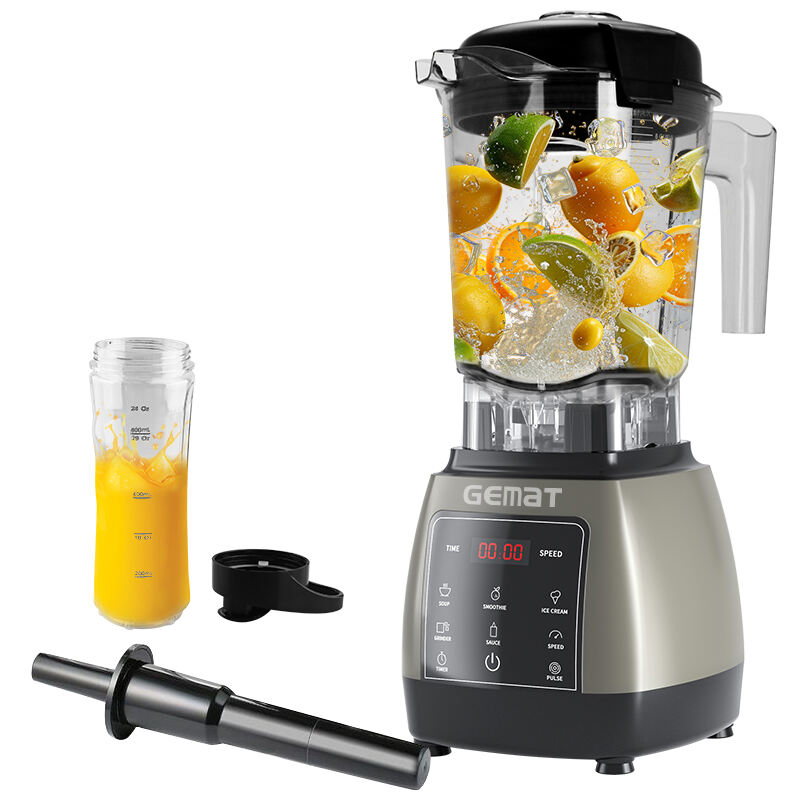
Selecting the right juice blender can significantly impact your beverage production efficiency and overall business success. Whether you're operating a restaurant, café, or commercial juice bar, understanding the essential features and specifications of industrial juice blenders ensures optimal performance and long-term reliability. The growing demand for fresh, healthy beverages has made juice blender technology more advanced, offering operators enhanced versatility and productivity. Making an informed purchasing decision requires careful consideration of capacity requirements, motor specifications, and operational features that align with your specific business needs.
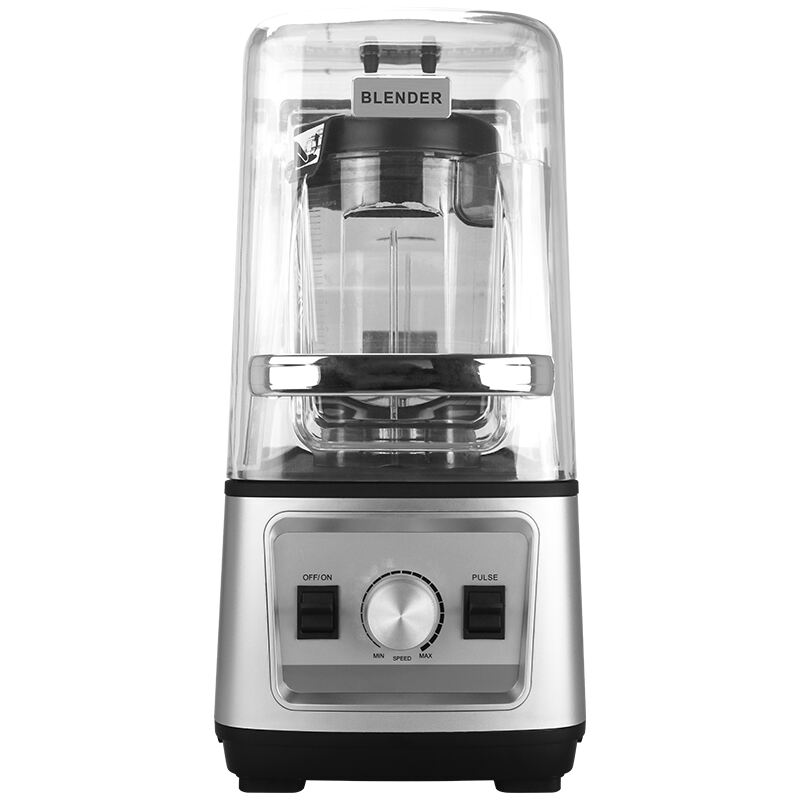
Understanding Juice Blender Performance Specifications
Motor Power and Speed Control
The motor power of a juice blender determines its ability to handle various ingredients and maintain consistent performance during high-volume operations. Commercial-grade juice blenders typically feature motors ranging from 1.5 to 3 horsepower, providing sufficient torque to process dense fruits, vegetables, and ice effectively. Variable speed controls allow operators to adjust blending intensity based on ingredient requirements, ensuring optimal texture and nutritional preservation. Higher wattage motors also demonstrate superior durability under continuous use, reducing maintenance costs and operational downtime.
Professional juice blender systems incorporate advanced motor cooling mechanisms to prevent overheating during extended operation periods. These thermal protection features extend equipment lifespan while maintaining consistent blending performance throughout busy service periods. Understanding motor specifications helps operators select equipment that matches their daily volume requirements and ingredient complexity. Investing in adequately powered juice blender units ensures smooth operations and customer satisfaction through consistently prepared beverages.
Blade Design and Material Quality
Blade configuration significantly affects the efficiency and quality of juice blender operations, with stainless steel construction providing optimal durability and hygiene standards. Multi-tier blade systems create powerful vortex action that thoroughly processes ingredients while minimizing processing time and energy consumption. Sharp, precisely angled blades ensure complete ingredient breakdown, resulting in smooth textures and enhanced flavor extraction. Quality blade materials resist corrosion and maintain sharpness through thousands of blending cycles.
Advanced juice blender models feature removable blade assemblies that facilitate thorough cleaning and maintenance procedures. Hardened steel alloys provide superior edge retention compared to standard materials, reducing replacement frequency and operational costs. Properly designed blade systems also minimize foam generation and oxidation, preserving nutritional content and visual appeal. Selecting juice blenders with premium blade construction ensures consistent results and long-term operational efficiency.
Capacity and Operational Efficiency Considerations
Container Size and Volume Options
Container capacity directly impacts production efficiency and service speed in commercial beverage operations, with most professional juice blender systems offering multiple size options. Standard container volumes range from 32 ounces for individual servings to 64 ounces for batch preparation, accommodating various service models and customer demands. Larger containers reduce preparation time for high-volume operations while smaller containers provide portion control and reduced waste. Selecting appropriate container sizes optimizes workflow efficiency and ingredient utilization.
Heavy-duty polycarbonate or Tritan containers offer superior impact resistance and clarity compared to glass alternatives, ensuring safe operation in busy commercial environments. Graduated measurement markings on containers facilitate accurate portion control and recipe consistency across multiple operators. Dishwasher-safe container construction simplifies cleaning procedures and maintains hygiene standards required in food service applications. Understanding container specifications helps operators choose juice blender systems that align with their production requirements and space constraints.
Processing Speed and Cycle Times
Efficient processing speed distinguishes professional juice blender equipment from consumer-grade alternatives, with commercial units completing most recipes within 30 to 60 seconds. Rapid processing capabilities enable operators to serve customers promptly while maintaining quality standards and nutritional integrity. Pre-programmed blend cycles ensure consistent results across different operators and reduce training requirements. Optimized processing times also minimize ingredient oxidation and preserve fresh flavors.
Variable speed controls allow operators to customize processing intensity based on ingredient characteristics and desired final texture. High-speed initial pulses break down fibrous materials effectively, while controlled finishing speeds create smooth, uniform consistency. Understanding processing capabilities helps operators evaluate juice blender performance against their specific service requirements and customer expectations. Investing in efficiently designed equipment improves overall productivity and customer satisfaction levels.
Durability and Maintenance Requirements
Construction Materials and Build Quality
Commercial juice blender construction quality directly affects equipment longevity and operational reliability in demanding food service environments. Heavy-duty metal bases provide stability and vibration dampening during high-speed operations, while reinforced mounting points resist wear from continuous use. Stainless steel and food-grade aluminum components offer superior corrosion resistance and maintain hygiene standards required in commercial applications. Quality construction materials justify initial investment costs through extended service life and reduced replacement expenses.
Professional-grade juice blender units feature sealed motor housings that protect internal components from moisture and debris contamination. Reinforced coupling mechanisms transfer motor power efficiently while withstanding the stress of frequent starts and stops. Understanding construction specifications helps operators identify equipment capable of meeting their operational demands and environmental conditions. Selecting well-built juice blender systems ensures consistent performance and minimizes unexpected maintenance expenses.
Cleaning and Sanitization Procedures
Simplified cleaning procedures are essential for maintaining food safety standards and operational efficiency in commercial juice blender applications. Quick-release container mechanisms enable rapid disassembly for thorough cleaning between different ingredients and flavors. Smooth surface finishes on all food-contact areas prevent bacteria accumulation and facilitate effective sanitization procedures. Many modern juice blender systems include self-cleaning cycles that simplify daily maintenance routines.
Removable blade assemblies allow complete cleaning access and ensure no ingredient residue remains trapped in hard-to-reach areas. Dishwasher-compatible components streamline cleaning workflows and maintain consistent sanitization standards. Understanding maintenance requirements helps operators budget for cleaning supplies and labor costs associated with proper equipment care. Regular maintenance procedures preserve juice blender performance and extend equipment service life significantly.
Technology Integration and User Features
Digital Controls and Programming Options
Advanced digital controls enhance juice blender operation precision and consistency while reducing operator training requirements and human error. Touchscreen interfaces provide intuitive access to pre-programmed recipes and custom blending profiles tailored to specific ingredients and textures. Memory functions store frequently used settings, enabling operators to reproduce popular recipes consistently across different service periods. Digital displays provide real-time feedback on processing progress and maintenance requirements.
Programmable timer functions ensure optimal processing duration for various ingredients while preventing over-blending that can affect texture and nutritional content. Advanced juice blender systems offer multiple program banks that accommodate seasonal menu changes and ingredient variations. Understanding available technology features helps operators select equipment that enhances productivity and maintains quality standards. Investing in technologically advanced juice blender units often provides competitive advantages through improved efficiency and consistency.
Safety Features and Operator Protection
Comprehensive safety systems protect operators and maintain compliance with commercial kitchen safety regulations in professional juice blender applications. Magnetic coupling mechanisms prevent accidental blade contact while container interlock switches ensure safe operation procedures. Sound enclosures reduce noise levels in customer areas while protecting operators from prolonged exposure to high-decibel blending operations. Emergency stop functions provide immediate equipment shutdown capabilities during unusual operating conditions.
Thermal overload protection prevents motor damage from excessive heat buildup during extended operation periods, automatically shutting down equipment when safe operating temperatures are exceeded. Non-slip base designs provide stable operation on various counter surfaces while vibration dampening systems minimize movement during processing. Understanding safety specifications ensures compliance with workplace regulations and protects both operators and customers. Selecting juice blender systems with comprehensive safety features demonstrates commitment to professional operation standards.
Cost Analysis and Return on Investment
Initial Investment Considerations
Commercial juice blender pricing varies significantly based on capacity, features, and construction quality, with professional units typically ranging from moderate to premium investment levels. Understanding total cost of ownership includes evaluating purchase price, installation requirements, training costs, and ongoing maintenance expenses. Higher-quality juice blender systems often justify increased initial costs through superior durability, efficiency, and reduced long-term operating expenses. Comparing specifications across different manufacturers helps identify optimal value propositions.
Financing options and equipment leasing programs can make professional juice blender acquisition more accessible while preserving working capital for other business investments. Warranty coverage and service support availability significantly impact total ownership costs and operational reliability. Understanding pricing structures helps operators budget appropriately while selecting equipment that meets their performance requirements. Investing in quality juice blender systems often provides superior returns through enhanced productivity and customer satisfaction.
Operational Cost Benefits
Efficient juice blender operation reduces labor costs through faster processing times and simplified preparation procedures, enabling operators to serve more customers with existing staff levels. Energy-efficient motor designs minimize electricity consumption while maintaining high performance standards, reducing ongoing operational expenses. Reduced ingredient waste through precise portion control and efficient processing maximizes profit margins on beverage sales. Understanding operational benefits helps justify equipment investments through quantifiable cost savings.
Professional juice blender reliability minimizes service interruptions and lost revenue opportunities during peak business periods. Consistent quality output enhances customer satisfaction and repeat business, contributing to long-term profitability and brand reputation. Lower maintenance requirements and extended equipment lifespan reduce total ownership costs compared to consumer-grade alternatives. Evaluating operational cost benefits provides clear justification for investing in professional-grade juice blender equipment.
Industry Applications and Market Trends
Commercial Food Service Applications
Professional juice blender applications span diverse commercial food service segments, including restaurants, cafés, smoothie bars, and institutional dining facilities. Each application presents unique requirements regarding capacity, processing speed, and ingredient handling capabilities. Quick-service establishments prioritize rapid processing and ease of use, while upscale restaurants emphasize consistency and versatility. Understanding specific application requirements guides equipment selection decisions.
Healthcare facilities and schools require juice blender systems that accommodate special dietary needs and allergen considerations while maintaining high throughput capabilities. Hotel and resort operations demand reliable equipment capable of handling diverse menu offerings and varying service volumes. Juice blender versatility enables operators to expand menu offerings and capture additional revenue opportunities through creative beverage programs. Identifying target applications helps operators select equipment configurations that maximize operational efficiency.
Health and Wellness Market Growth
Growing consumer awareness of health and wellness benefits drives increased demand for fresh juice and smoothie products, creating opportunities for operators to expand their beverage offerings. Professional juice blender capabilities enable businesses to capitalize on trends toward natural, nutrient-rich beverages while maintaining operational efficiency. Premium equipment performance supports menu innovation and ingredient experimentation that differentiate businesses in competitive markets.
Functional ingredient integration, including protein powders, superfoods, and dietary supplements, requires juice blender systems capable of thorough mixing and texture optimization. Understanding market trends helps operators select equipment specifications that support current and future menu development needs. Investing in capable juice blender technology positions businesses to respond effectively to evolving consumer preferences and market opportunities.
FAQ
What motor power is recommended for commercial juice blender applications
Commercial juice blender applications typically require motors between 1.5 to 3 horsepower to handle diverse ingredients and maintain consistent performance during high-volume operations. Higher wattage motors provide superior torque for processing dense fruits, vegetables, and ice while demonstrating better durability under continuous use conditions. The specific power requirements depend on your daily volume expectations, ingredient complexity, and service speed requirements.
How do I determine the appropriate container size for my operation
Container size selection should align with your typical serving portions and production workflow requirements, with options typically ranging from 32 to 64 ounces in professional juice blender systems. Larger containers improve efficiency for batch preparation and high-volume operations, while smaller containers provide better portion control and reduced waste. Consider your peak service periods, menu variety, and storage space when selecting optimal container configurations.
What maintenance procedures are required for commercial juice blender equipment
Regular maintenance includes daily cleaning of all food-contact surfaces, weekly deep cleaning of removable components, and periodic inspection of blade sharpness and motor performance. Most professional juice blender systems feature removable parts that facilitate thorough cleaning and sanitization procedures required in commercial food service applications. Following manufacturer maintenance schedules and using recommended cleaning products helps ensure optimal performance and equipment longevity.
How can I evaluate the return on investment for juice blender equipment
Calculate return on investment by comparing initial equipment costs against operational benefits including reduced labor costs, increased service speed, improved product quality, and expanded menu capabilities. Professional juice blender systems typically provide returns through enhanced productivity, reduced ingredient waste, and increased customer satisfaction leading to repeat business. Consider financing options and total ownership costs including maintenance, energy consumption, and replacement parts when evaluating long-term investment value.