 Zhongshan city HaiShang Electric Appliances Co,. Ltd
 EN
EN



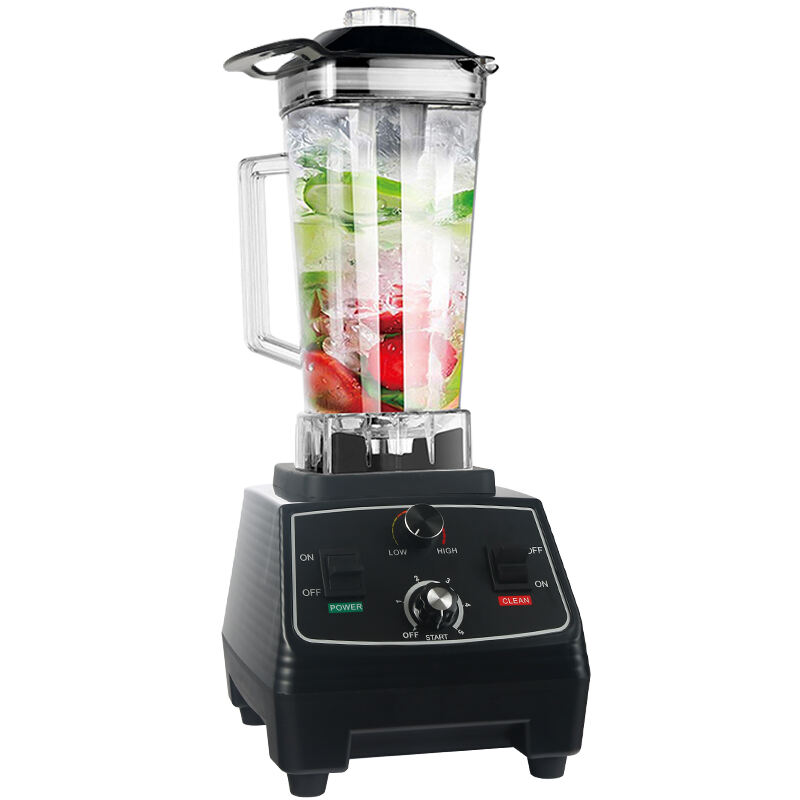
Proper maintenance is the single most important factor that separates an ice crusher blender that delivers consistent, smooth crushing results from one that struggles, overheats, or fails prematurely. Whether you are operating in a commercial kitchen, a café, a smoothie bar, or a catering environment, your ice crusher blender works under significant mechanical stress every time it processes hard ice. Understanding how to care for this equipment is not optional — it is a direct investment in product quality, operational efficiency, and equipment lifespan.
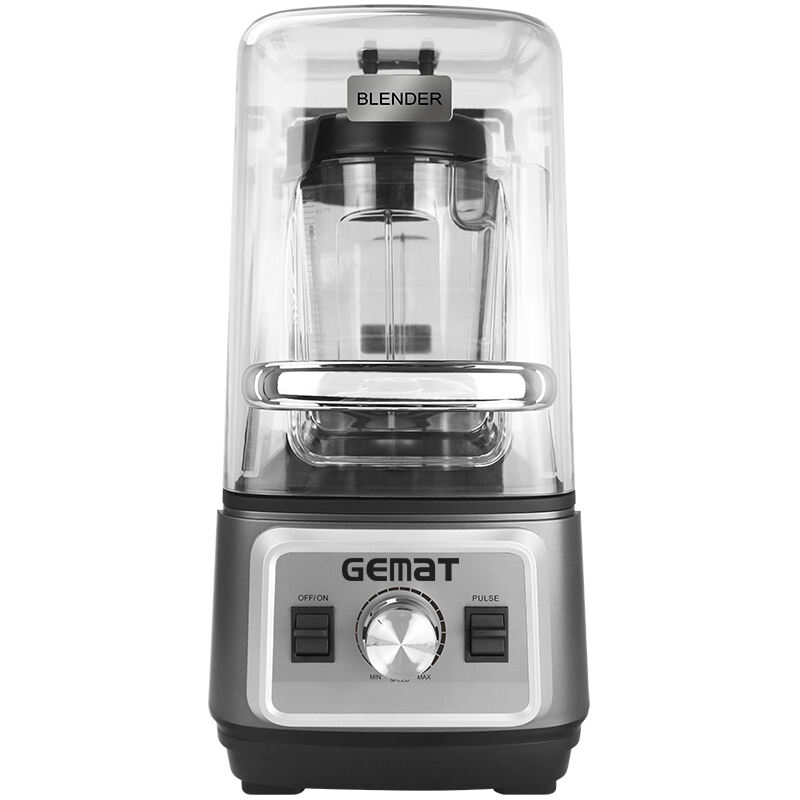
An ice crusher blender that is well cared for will consistently produce finely crushed ice with minimal noise, energy consumption, and wear. In contrast, a neglected unit will gradually lose blade sharpness, develop motor inefficiencies, and produce uneven ice textures that compromise your end product. This guide walks through every essential care practice you need to follow, covering daily routines, blade maintenance, motor protection, and long-term storage, so your ice crusher blender always performs at its best.
Understanding How Your Ice Crusher Blender Works
The Mechanical Demands of Ice Crushing
Unlike blending soft fruits or liquids, crushing ice places extraordinary mechanical demands on every component of an ice crusher blender. The blades must strike and fracture hard ice cubes repeatedly at high rotational speeds, which generates both friction and vibration. The motor must sustain consistent torque output under load, the container must withstand impact stress, and the blade assembly must remain precisely aligned to avoid uneven crushing patterns.
Because these mechanical forces are so intense, the degradation of any one component directly affects the quality of the crushed ice output. A slightly dulled blade will not fracture ice cleanly, resulting in chunky or inconsistent textures. A motor running without adequate ventilation will overheat and reduce its output power over time. Understanding these demands helps you care for the ice crusher blender in a way that targets the most critical stress points first.
The frequency and volume of use also plays a significant role. A commercial ice crusher blender used for dozens of cycles per day requires more frequent inspection and maintenance than a unit used in lower-volume settings. Matching your care routine to your actual usage intensity is key to protecting your investment.
Key Components That Require Ongoing Attention
The ice crusher blender is made up of several interdependent components, each of which requires attention. The blade assembly is the most mechanically active component and experiences the most wear. The motor base houses the drive system and is the component most sensitive to heat and moisture. The blending jar or container receives direct impact stress from ice and must be inspected regularly for cracks, chips, or seal degradation. The coupling mechanism that connects the blade assembly to the motor is another wear point that is often overlooked.
The gasket or sealing ring at the base of the container is a small but critical component. If it degrades or becomes loose, water from melting ice can leak into the motor housing, causing corrosion or electrical failure. Routinely checking this seal and replacing it when it shows signs of wear will prevent one of the most common causes of ice crusher blender failure in commercial environments.
Daily Care Routines That Protect Performance
Post-Use Cleaning Protocols
Cleaning your ice crusher blender immediately after use is the most impactful daily habit you can develop. Residual water and ice fragments left inside the container create an environment for bacterial growth and mineral scale buildup. Hard water deposits, in particular, gradually coat the blade edges and reduce their cutting efficiency, which forces the motor to work harder and increases energy consumption over time.
To clean the ice crusher blender effectively, disassemble the blade assembly from the container and rinse all components with warm water. Avoid using cold water immediately after the unit has been running, as the sudden temperature change can stress metal components. Use a soft brush to clean around the blade assembly without applying lateral pressure to the blades. A mild food-safe detergent applied with a non-abrasive sponge will remove any residue from the container interior without scratching the surface.
Dry all components thoroughly before reassembly. Leaving moisture trapped between the blade assembly and the container base, or inside the coupling area, creates conditions for corrosion that will shorten the working life of your ice crusher blender. A clean, dry microfiber cloth is sufficient for wiping components down before storage.
Checking for Ice Residue and Blockages
After each crushing session, small ice fragments can lodge in the blade housing, beneath the blade assembly, or in the ventilation slots of the motor base. These fragments melt and leave water deposits in areas that are difficult to clean later. Over time, this leads to mineral buildup in precision-fit components, which can create friction, binding, or noise during the next use of the ice crusher blender.
Inspect the blade hub area after every use and use a dry brush or compressed air to remove any remaining ice particles. Never use metal tools to dislodge stuck ice fragments, as this can scratch or nick blade edges. Check the ventilation slots on the motor base for any obstruction — blocked ventilation is a direct cause of motor overheating in any ice crusher blender.
Blade Care and Sharpness Maintenance
Monitoring Blade Condition Over Time
The blades in an ice crusher blender are designed for durability, but they are not immune to wear. With regular use, the blade edges will gradually dull, particularly if the unit is used to crush very hard ice or large ice cubes that are beyond the recommended size range. Dull blades produce a grinding sound, require more motor effort, and result in unevenly crushed ice with larger chunks mixed in with fine powder.
To monitor blade condition, periodically run a small test batch of standard ice cubes and observe both the sound and the output texture. A well-maintained ice crusher blender will produce consistent, uniformly sized crushed ice with a smooth, relatively quiet operation. If the output becomes noticeably chunkier or the noise level increases, the blade assembly likely needs attention. Many commercial ice crusher blender models offer replaceable blade assemblies, making this a straightforward maintenance procedure.
Never attempt to sharpen ice crusher blender blades at home using improvised methods. Improper sharpening can alter blade geometry, affect balance, and create safety hazards. Instead, consult the manufacturer's guidelines for recommended blade replacement intervals and always use approved replacement parts.
Preventing Blade Damage During Operation
Blade damage can occur quickly if the ice crusher blender is used improperly. One of the most common mistakes is overloading the container with too much ice at once. When ice is packed too densely, the blades cannot create the rotational space needed for effective fracturing, which places extreme stress on both the blades and the motor. Always follow the manufacturer's recommended fill level, which is typically no more than two-thirds of the container capacity.
Another common cause of premature blade damage is running the ice crusher blender without any liquid when processing certain types of ice. A small amount of water or liquid added to the container reduces friction, distributes the mechanical load more evenly, and prolongs blade life significantly. This is particularly important in high-volume commercial settings where the ice crusher blender runs many consecutive cycles.
Additionally, avoid crushing ice that contains impurities such as flavoring residue, syrup deposits, or food particles from previous blending tasks. These materials can stick to blade edges, alter blade balance, and create abrasive deposits that accelerate wear. Always use clean, fresh ice in your ice crusher blender to maintain both hygiene standards and equipment performance.
Motor and Motor Base Protection
Preventing Overheating in High-Volume Use
The motor is the heart of any ice crusher blender, and protecting it from overheating is essential for consistent crushing performance and long equipment life. In commercial or high-volume settings, it is easy to run consecutive crushing cycles without allowing the motor to cool between uses. This is one of the leading causes of reduced motor efficiency and eventual motor failure in ice crusher blender equipment.
Most ice crusher blender models have a built-in thermal overload protection feature that shuts the unit down temporarily when it reaches a critical temperature. However, relying on this protection mechanism as a standard operating practice is a sign of misuse. Instead, build deliberate rest intervals into your workflow. A short pause of two to three minutes between heavy crushing cycles gives the motor housing time to dissipate heat naturally and return to a safe operating temperature.
Ensure that the motor base is never placed on surfaces that restrict its ventilation slots. Operating an ice crusher blender on a soft surface like a folded towel or a rubber mat that covers the bottom vents will cause heat to accumulate rapidly. Always position the unit on a hard, flat, clean surface with adequate clearance on all sides.
Protecting the Motor from Moisture
Moisture is the primary environmental enemy of any ice crusher blender motor. In commercial kitchen environments, where surfaces are frequently wet and steam is common, the risk of moisture infiltration into the motor base is significant. Always ensure that the container and blade assembly are completely sealed before operating the unit, and never fill the container above the maximum fill line, which could force liquid into the coupling assembly during operation.
After cleaning, never store the ice crusher blender with the container still attached to the motor base unless it is completely dry. Trapped moisture between these two assemblies creates a humid microenvironment that accelerates corrosion on metal coupling parts. Store the container and motor base separately or loosely assembled with adequate airflow whenever possible.
If the ice crusher blender is ever accidentally submerged or subjected to heavy water exposure, do not attempt to power it on. Allow it to dry completely in a well-ventilated area for at least 24 hours before use, and inspect the motor base for any signs of water ingress before restarting the unit.
Long-Term Maintenance and Storage Practices
Scheduled Inspection and Component Replacement
Beyond daily care, an ice crusher blender benefits greatly from scheduled periodic inspections. Every one to three months, depending on usage volume, conduct a full inspection of all components. Check the blade assembly for visible wear, chipping, or imbalance. Inspect the container for hairline cracks, especially at stress points near the base and around the handle attachment. Examine all gaskets and sealing rings for compression loss, cracking, or deformation.
The coupling mechanism deserves particular attention during these scheduled inspections. Wear in the coupling can cause the blade assembly to spin with slight wobble, which increases vibration, accelerates blade edge wear, and creates noise. If the coupling shows signs of wear, replace it promptly to restore full performance to your ice crusher blender.
Keeping a maintenance log for commercial ice crusher blender equipment is a professional best practice. Record the date of each inspection, the components replaced, and any performance changes observed. This log helps you identify recurring issues, plan preventive maintenance before failures occur, and demonstrate proper equipment care to health and safety inspectors.
Proper Storage When Not in Use
When an ice crusher blender will not be used for an extended period, proper storage preparation is essential. Begin by thoroughly cleaning and drying all components as described in the daily care routine. Apply a small amount of food-grade lubricant to the blade assembly's central hub and the coupling mechanism to prevent corrosion during storage. Do not use standard cooking oil, as it can degrade rubber seals and leave rancid residue.
Store the ice crusher blender in a cool, dry location away from direct sunlight and temperature extremes. High temperatures can cause gasket materials to harden and crack, while sustained damp conditions promote rust on metal components. If possible, store the unit in its original packaging or a protective cover to prevent dust accumulation in the ventilation slots and blade housing.
Before returning a stored ice crusher blender to service, run it briefly with clean water only to verify smooth blade operation and check for any unusual sounds or vibrations that might indicate storage-related issues before it is put back into food service use.
FAQ
How often should I clean my ice crusher blender in a commercial setting?
In a commercial setting, your ice crusher blender should be cleaned after every use session throughout the day. A full disassembly and deep clean with a food-safe detergent should be performed at the end of each working day. This prevents mineral scale buildup, bacterial growth, and residue accumulation that can degrade both hygiene standards and mechanical performance over time.
What is the most common reason an ice crusher blender produces uneven results?
The most common cause of uneven crushing output is blade dullness or damage. When the blade edges lose their sharpness, they fracture ice inconsistently, producing a mix of coarse chunks and fine powder rather than a uniform texture. Overloading the container beyond the recommended fill level is another frequent cause, as it prevents the blades from generating the rotational space needed for even impact distribution.
Can I put the container and blade assembly of an ice crusher blender in a dishwasher?
This depends on the specific model and manufacturer guidance. Some ice crusher blender containers are dishwasher-safe, but many blade assemblies are not, as the high-heat dishwasher environment can degrade gasket seals, dull blade edges, and cause discoloration or warping. Always consult the product manual before using a dishwasher, and when in doubt, hand wash to preserve component integrity and extend the service life of the unit.
How do I know when the blades in my ice crusher blender need to be replaced?
Signs that the blades need replacement include noticeably louder operation, increased vibration during use, a decline in crushing consistency where output texture becomes coarser and uneven, and visible nicks or deformation on the blade edges when inspected closely. If the motor appears to be working harder than usual to achieve results that were previously effortless, blade replacement is likely overdue. Follow the manufacturer's recommended replacement schedule and use only approved replacement blade assemblies for your specific ice crusher blender model.
Table of Contents
- Understanding How Your Ice Crusher Blender Works
- Daily Care Routines That Protect Performance
- Blade Care and Sharpness Maintenance
- Motor and Motor Base Protection
- Long-Term Maintenance and Storage Practices
-
FAQ
- How often should I clean my ice crusher blender in a commercial setting?
- What is the most common reason an ice crusher blender produces uneven results?
- Can I put the container and blade assembly of an ice crusher blender in a dishwasher?
- How do I know when the blades in my ice crusher blender need to be replaced?