 Zhongshan city HaiShang Electric Appliances Co,. Ltd
 EN
EN



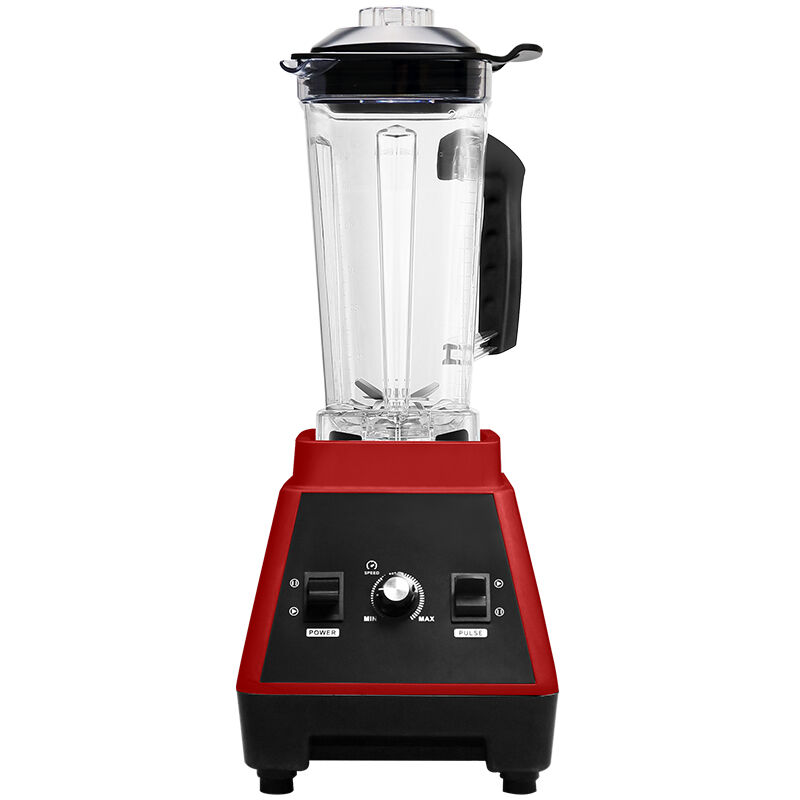
Selecting the perfect mechanical blender for daily cooking requires careful consideration of your specific culinary needs, kitchen space, and long-term usage patterns. The right mechanical blender becomes an indispensable tool that transforms meal preparation from a time-consuming chore into an efficient, enjoyable process. Unlike their electric counterparts, a mechanical blender offers unique advantages in terms of control, durability, and energy efficiency that make them particularly appealing for consistent daily use.
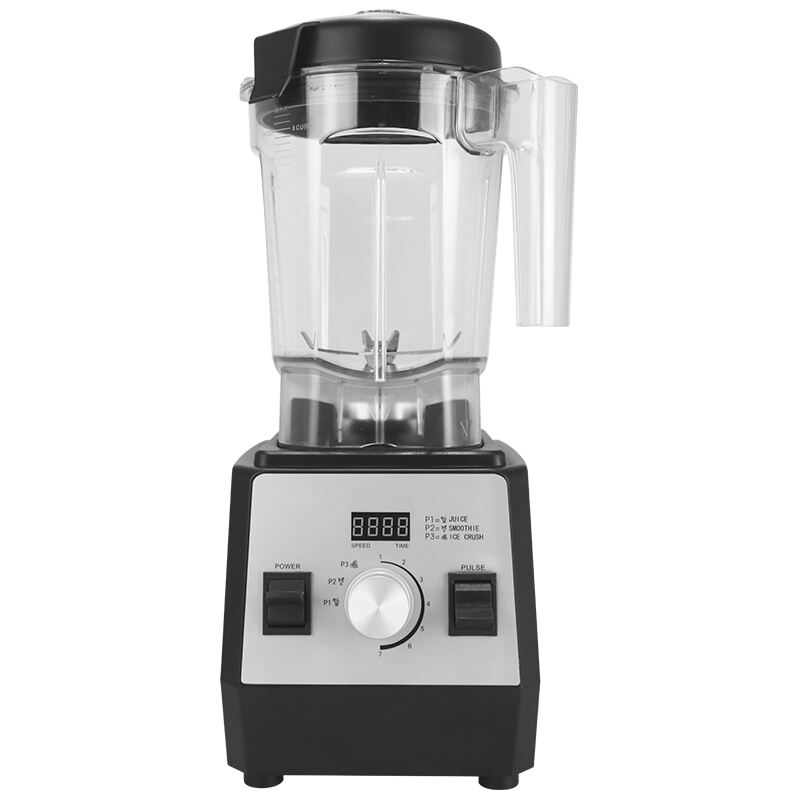
Understanding how to evaluate different mechanical blender options ensures you invest in equipment that will serve your daily cooking requirements effectively for years to come. The selection process involves analyzing multiple factors including capacity requirements, build quality, ease of maintenance, and compatibility with your typical cooking workflows. A well-chosen mechanical blender should seamlessly integrate into your kitchen routine while providing consistent performance across various food preparation tasks.
Understanding Mechanical Blender Fundamentals
Core Operating Principles
A mechanical blender operates through manual force application, utilizing precision-engineered gear systems and blade configurations to achieve effective blending results. The fundamental principle relies on converting manual input into rotational blade movement, creating the necessary cutting and mixing action for various ingredients. This mechanical advantage system allows users to maintain complete control over blending speed and intensity, making it particularly valuable for delicate preparations that require gradual processing.
The internal mechanisms of a quality mechanical blender feature durable metal gearing that translates hand-crank motion into blade rotation at optimized ratios. These gear systems are designed to provide sufficient torque multiplication, enabling effective processing of both soft and moderately firm ingredients without excessive manual effort. Understanding these operating principles helps in evaluating whether a specific mechanical blender model will meet your daily cooking demands.
Key Advantages Over Electric Alternatives
Manual operation provides several distinct benefits that make a mechanical blender particularly suitable for daily cooking applications. The absence of electrical components eliminates concerns about power consumption, cord management, and electrical safety around wet ingredients. This independence from power sources makes mechanical blenders highly reliable for consistent daily use, regardless of kitchen electrical capacity or potential power interruptions.
The precise control offered by mechanical operation allows users to adjust blending intensity in real-time, preventing over-processing that commonly occurs with fixed-speed electric models. This level of control proves invaluable when preparing daily meals that require specific textures, from coarse chopping for salsas to fine blending for smooth sauces. Additionally, the typically simpler construction of a mechanical blender results in fewer potential failure points and easier maintenance compared to complex electric alternatives.
Essential Selection Criteria
Capacity and Size Considerations
Determining the appropriate capacity for your mechanical blender depends on your typical batch sizes and available storage space. For daily cooking applications, consider both the volume of ingredients you regularly process and the practical limitations of manual operation. Larger capacity models require more physical effort to achieve thorough mixing, while smaller units may necessitate multiple batches for family-sized preparations.
The physical dimensions of your chosen mechanical blender must accommodate your kitchen workspace and storage requirements. Measure available counter space and cabinet dimensions before selection, ensuring the unit can be easily accessed for daily use. Consider models with removable components that facilitate compact storage when not in active use, particularly important in smaller kitchens where space efficiency directly impacts daily cooking workflow.
Build Quality and Durability Assessment
Material construction directly impacts the longevity and performance reliability of your mechanical blender during daily use. High-quality models feature stainless steel or heavy-duty plastic components that resist wear, staining, and odor absorption from regular contact with various ingredients. The gear mechanisms should be constructed from metal rather than plastic to ensure smooth operation and extended service life under frequent use conditions.
Examine the blade assembly construction and attachment methods, as these components experience the highest stress during operation. Quality blade systems feature sharp, properly angled cutting edges made from corrosion-resistant materials. The blade attachment mechanism should provide secure mounting without excessive play or wobbling that could indicate premature wear or manufacturing defects that would compromise daily cooking performance.
Performance Evaluation Methods
Testing Blending Effectiveness
Evaluating the actual blending performance of a mechanical blender requires testing with ingredients representative of your daily cooking needs. Start with simple tasks like blending soft vegetables or mixing liquids to assess the basic functionality and ease of operation. Progress to more demanding applications such as processing firm vegetables or creating emulsions to determine the unit's capability range.
Pay attention to the consistency of results across different ingredient types and quantities. A quality mechanical blender should produce uniform results without leaving large unprocessed pieces or creating excessive liquid separation. The effort required to achieve satisfactory results should remain reasonable for daily use, as excessive physical demands will likely lead to reduced usage frequency over time.
Ergonomic and Usability Factors
The ergonomic design of your mechanical blender significantly impacts your willingness to use it for daily cooking tasks. Handle design, grip comfort, and operational smoothness all contribute to user experience during regular use. Test the cranking motion for smoothness and assess whether the required force levels are sustainable for your typical usage patterns.
Consider the ease of ingredient loading and removal, as these steps occur with every use during daily cooking. Wide openings facilitate ingredient addition and thorough cleaning, while narrow designs may create frustration during regular use. The mechanical blender should integrate smoothly into your existing cooking workflow without creating bottlenecks or requiring excessive preparation time for routine tasks.
Maintenance and Care Requirements
Cleaning and Sanitation Procedures
Daily use of your mechanical blender necessitates efficient cleaning procedures that maintain hygiene without consuming excessive time or effort. Evaluate how easily the unit disassembles for thorough cleaning, particularly focusing on blade accessibility and gear housing access. Components that contact food should be easily removable and dishwasher-safe when possible to streamline daily maintenance routines.
Consider the cleaning requirements for different types of ingredients you regularly process. Sticky or oily substances may require special attention, while acidic ingredients could affect certain materials over time. Your chosen mechanical blender should accommodate the cleaning demands of your typical ingredients without requiring extensive soaking or specialized cleaning products that complicate daily maintenance.
Long-term Maintenance Planning
Plan for the long-term maintenance requirements that will keep your mechanical blender functioning optimally through years of daily cooking use. Identify which components may require periodic replacement, such as blade assemblies or sealing elements, and verify the availability of replacement parts from the manufacturer or authorized dealers.
Understanding the lubrication requirements for gear systems helps prevent premature wear and ensures smooth operation throughout the unit's service life. Some mechanical blender models require periodic lubrication of moving parts, while others feature sealed systems that eliminate this maintenance requirement. Factor these ongoing care needs into your selection decision to ensure compatibility with your available time and maintenance preferences.
Integration with Daily Cooking Workflow
Meal Preparation Efficiency
The effectiveness of your mechanical blender choice depends largely on how well it integrates with your existing daily cooking routines. Consider the types of preparations you regularly make and evaluate how the blender will enhance or streamline these processes. Tasks like sauce preparation, vegetable processing, and ingredient mixing should become more efficient rather than creating additional complexity in your kitchen workflow.
Timing considerations play a crucial role in daily cooking applications. Your mechanical blender should be quickly accessible and ready for use without extensive setup procedures. Models that can remain assembled and ready for operation encourage regular use, while units requiring significant setup time may discourage frequent application in daily cooking scenarios.
Storage and Accessibility Solutions
Develop a storage strategy that keeps your mechanical blender easily accessible for daily use while maintaining kitchen organization. Counter storage provides maximum convenience but requires adequate space and regular cleaning to maintain kitchen aesthetics. Cabinet storage conserves counter space but may reduce usage frequency if access becomes inconvenient during busy cooking periods.
Consider the storage requirements for additional components such as extra blades, cleaning tools, or instruction materials. Organizing these accessories efficiently ensures they remain available when needed and prevents loss of important components that could affect the mechanical blender's functionality. A complete storage solution supports consistent daily use and maintains the investment value of your chosen equipment.
FAQ
What capacity mechanical blender works best for family daily cooking?
For family daily cooking, a mechanical blender with 2-4 cup capacity typically provides the optimal balance between batch size efficiency and manageable manual operation. This capacity handles most sauce preparations, vegetable processing, and ingredient mixing tasks for 3-5 people without requiring excessive physical effort. Smaller capacities may necessitate multiple batches, while larger units become unwieldy for regular daily use.
How do I maintain consistent performance from my mechanical blender?
Maintaining consistent performance requires regular cleaning after each use, periodic lubrication of moving parts according to manufacturer specifications, and proper storage to prevent component damage. Keep blades sharp through careful handling and occasional professional sharpening when needed. Inspect gear systems periodically for wear signs and address any operational irregularities promptly to prevent progressive damage that could affect daily cooking efficiency.
Can a mechanical blender handle all daily cooking blending tasks?
A quality mechanical blender can handle most daily cooking tasks including sauce preparation, vegetable chopping, ingredient mixing, and emulsion creation. However, very hard ingredients like ice or frozen fruits, and extremely fine blending requirements may exceed the capabilities of manual operation. Evaluate your specific daily cooking needs against the mechanical blender's capabilities to ensure compatibility with your regular food preparation requirements.
What should I do if my mechanical blender becomes difficult to operate?
Increased operational difficulty typically indicates the need for maintenance attention, such as cleaning accumulated residue from gear systems, lubricating moving parts, or checking for worn components. Disassemble the unit according to manufacturer instructions and inspect all moving parts for wear or obstruction. If problems persist after proper cleaning and lubrication, consult the manufacturer or consider professional service to restore optimal performance for continued daily cooking use.