 Zhongshan city HaiShang Electric Appliances Co,. Ltd
 EN
EN



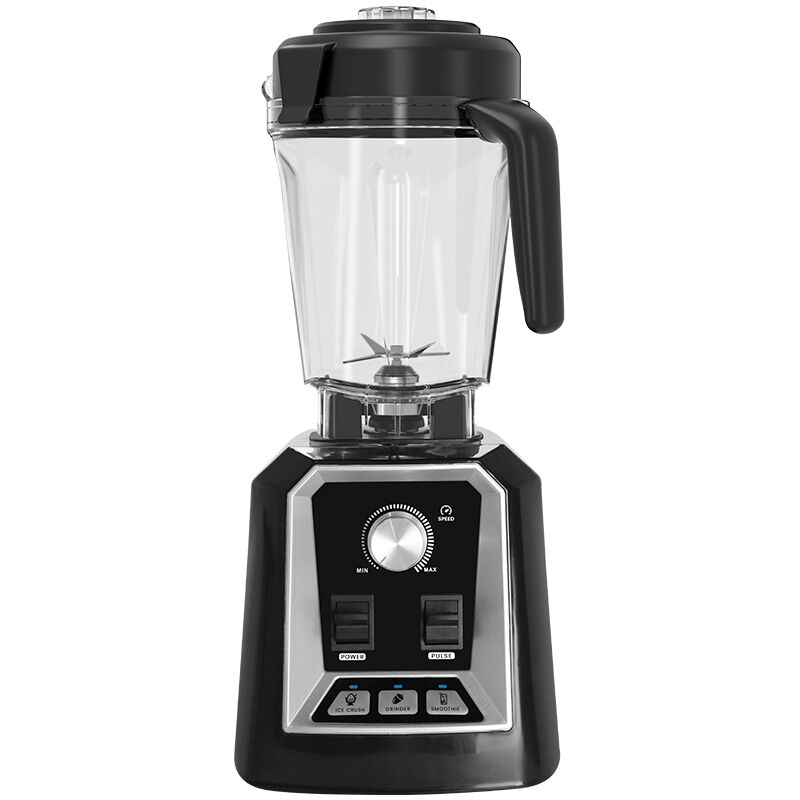
In commercial kitchens, food processing facilities, and industrial production environments, the choice of blending equipment directly impacts operational efficiency, product consistency, and long-term cost management. Among the various blending technologies available, mechanical blenders have emerged as the dominant choice for heavy-duty applications that demand continuous operation, high-volume processing, and exceptional durability. Understanding why these robust machines hold such a strong position in demanding environments reveals critical insights into equipment selection, operational economics, and production reliability that every facility manager and procurement professional should consider.
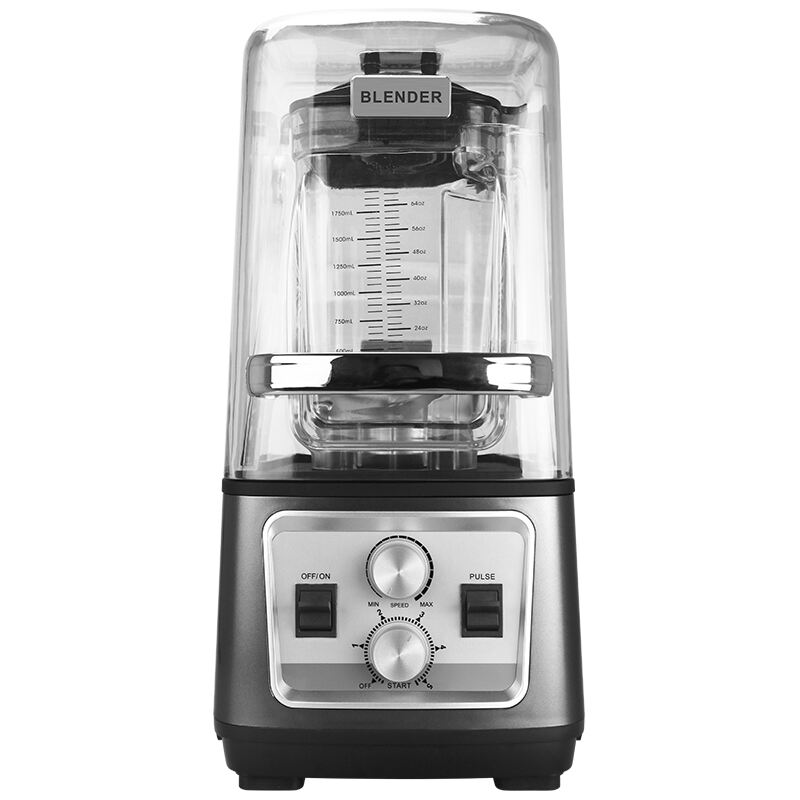
The preference for mechanical blenders in heavy-duty settings stems from fundamental engineering principles that prioritize mechanical advantage, thermal management, and component longevity over electronic complexity. Unlike consumer-grade or light commercial units that rely heavily on electronic controls and speed modulation, industrial mechanical blenders utilize direct-drive systems, metal gear assemblies, and proven mechanical transmission designs that deliver consistent torque under sustained load conditions. This foundational difference in design philosophy translates directly into measurable performance advantages when processing dense mixtures, fibrous ingredients, or large batch volumes that would quickly overwhelm less robust equipment.
Superior Torque Delivery Under Sustained Load Conditions
Direct Mechanical Power Transmission
The core advantage of a mechanical blender lies in its ability to transfer motor power directly to the blade assembly through mechanical linkages rather than electronic intermediaries. This direct transmission system ensures that the full torque capacity of the motor reaches the blending chamber without power loss through electronic conversion or heat dissipation in circuit boards. In heavy-duty applications where operators process thick batters, dense doughs, or fibrous vegetable matter, this uninterrupted power delivery prevents motor stalling and maintains consistent blade speed even when resistance increases dramatically during the blending cycle.
Industrial facilities processing high-viscosity materials particularly benefit from this mechanical advantage. When a mechanical blender encounters increased resistance from thick ingredients, the direct-drive system responds by delivering maximum available torque without requiring electronic intervention or speed adjustment algorithms. This instantaneous mechanical response prevents the momentum loss and blade slowdown that commonly occurs in electronically controlled units, ensuring uniform particle size reduction and consistent texture development regardless of ingredient density variations within the batch.
Gear Reduction Systems for Amplified Force
Advanced mechanical blender designs incorporate precision gear reduction assemblies that multiply the available torque at the blade shaft while maintaining optimal rotational speeds for efficient blending action. These metal gear trains, typically manufactured from hardened steel or bronze alloys, create mechanical advantage ratios that can increase effective torque by factors of two to five compared to direct-drive configurations. This torque multiplication becomes essential when processing challenging ingredients such as frozen fruits, dense nut butters, or thick protein mixtures that require sustained high force to achieve proper emulsification and particle breakdown.
The durability advantage of metal gear systems in a mechanical blender cannot be overstated when comparing long-term operational costs. While electronic speed controllers and circuit boards degrade over time due to heat stress and electrical wear, properly lubricated metal gears can operate for decades with minimal performance degradation. Facilities that process hundreds of batches daily find that the initial investment in gear-driven mechanical blenders pays dividends through reduced maintenance intervals, lower component replacement costs, and dramatically extended equipment service life compared to electronically controlled alternatives.
Thermal Management and Continuous Operation Capability
Passive Heat Dissipation Through Metal Construction
Heavy-duty blending operations generate substantial heat through friction between ingredients and mechanical components, and this thermal energy must be effectively managed to prevent equipment failure and maintain product quality. A mechanical blender excels in this area through its all-metal construction, which provides superior thermal conductivity compared to plastic housings or electronic enclosures. The large metal gear cases, steel motor housings, and aluminum or stainless steel blending chambers function as passive heat sinks that continuously draw thermal energy away from critical components and dissipate it into the surrounding air without requiring active cooling systems or electronic temperature monitoring.
This passive thermal management becomes particularly valuable during extended production runs where blending equipment must operate continuously for hours without shutdown periods. Commercial bakeries, protein powder manufacturers, and industrial sauce producers routinely run their mechanical blenders through multiple consecutive batches, relying on the equipment's ability to maintain consistent performance despite accumulated heat from sustained operation. The absence of temperature-sensitive electronic components means that a mechanical blender can continue operating effectively even when surface temperatures reach levels that would trigger thermal shutdown in electronically controlled units.
Elimination of Electronic Heat Buildup
Electronic speed controllers, variable frequency drives, and digital control boards generate significant internal heat during operation, and this electronic heat buildup creates reliability concerns in continuous-duty applications. These electronic components require dedicated cooling systems, temperature monitoring circuits, and thermal protection mechanisms that add complexity, increase failure points, and ultimately limit the sustained operation capability of electronically controlled blending equipment. By contrast, a mechanical blender eliminates these electronic heat sources entirely, removing a major reliability constraint that affects equipment uptime in demanding production environments.
The operational implications of this electronic heat elimination extend beyond simple reliability improvements. Facilities that adopt Mechanical Blender technology for their heavy-duty applications report significantly reduced cooling infrastructure requirements, lower facility HVAC costs, and improved ambient working conditions around blending stations. The absence of electronic heat sources also eliminates the need for climate-controlled equipment rooms or specialized ventilation systems that would otherwise be necessary to maintain acceptable operating temperatures for sensitive electronic components during high-volume production periods.
Component Longevity and Maintenance Efficiency
Reduced Parts Count and Simplified Service
The engineering simplicity inherent in mechanical blender design translates directly into maintenance advantages that accumulate substantial cost savings over the equipment's operational lifetime. A typical industrial mechanical blender contains fewer than half the components found in a comparably sized electronically controlled unit, with the majority of these components being simple mechanical parts such as bearings, seals, gears, and shafts that maintenance personnel can inspect, service, and replace using standard shop tools and conventional mechanical skills. This parts reduction dramatically lowers inventory carrying costs, simplifies spare parts management, and reduces the specialized training required for maintenance staff.
Field service data from food processing facilities demonstrates that mechanical blenders experience significantly longer intervals between required maintenance compared to electronic alternatives. While electronic control boards may require replacement every eighteen to thirty-six months due to component degradation, capacitor aging, or circuit board contamination, the metal gears and bearing assemblies in a mechanical blender typically operate for five to ten years before requiring major service interventions. This extended service interval reduces production interruptions, minimizes unplanned downtime, and allows maintenance resources to be allocated more efficiently across the facility's equipment population.
Availability of Generic Replacement Components
Unlike proprietary electronic control systems that tie facilities to specific manufacturers for replacement parts and service support, the mechanical components in a mechanical blender typically conform to industry-standard specifications that allow sourcing from multiple suppliers. Standard bearings, common gear ratios, and conventional shaft dimensions mean that maintenance departments can procure replacement components from regional industrial suppliers rather than waiting for manufacturer-specific parts shipments or dealing with obsolescence issues when older models are discontinued. This supply chain flexibility becomes increasingly valuable as equipment ages and original manufacturers consolidate, exit markets, or discontinue support for legacy product lines.
The economic impact of this component standardization extends beyond simple parts availability. Facilities can maintain smaller spare parts inventories when mechanical blender components are interchangeable across multiple units or even between different manufacturer brands. Maintenance personnel develop transferable skills that apply across various mechanical blender models rather than manufacturer-specific electronic troubleshooting knowledge that becomes obsolete when equipment generations change. These factors combine to create a total cost of ownership advantage that becomes more pronounced as equipment fleets age and facility operations mature.
Operational Reliability in Challenging Industrial Environments
Resistance to Environmental Contamination
Industrial food processing environments expose blending equipment to airborne flour dust, moisture from washdown operations, temperature fluctuations, and the vibration from surrounding machinery, creating challenging conditions that electronic components struggle to withstand over extended periods. A mechanical blender thrives in these harsh environments because its sealed gear cases, enclosed motor housings, and all-metal construction protect internal components from contamination while eliminating the circuit boards, sensors, and electronic interfaces that typically fail when exposed to moisture, dust, or corrosive cleaning agents. This environmental resilience translates directly into higher equipment availability and fewer unexpected breakdowns during critical production periods.
Facilities that have transitioned from electronically controlled blending equipment to mechanical blender installations report dramatic reductions in moisture-related failures, particularly in high-humidity environments or operations that utilize frequent washdown procedures for sanitation compliance. The ability to seal mechanical components effectively against moisture ingress using simple gaskets and O-rings proves far more reliable than the complex environmental ratings and protective coatings required for electronic assemblies. This sealing effectiveness allows mechanical blenders to operate successfully in applications such as beverage production, dairy processing, and wet food manufacturing where electronic equipment requires expensive protective enclosures or dedicated climate-controlled mounting locations.
Vibration Tolerance and Structural Stability
Heavy-duty blending operations generate substantial vibration forces, particularly when processing unbalanced loads, starting with frozen ingredients, or operating at high speeds with dense materials. These vibration forces stress mounting points, accelerate wear on sensitive components, and can cause premature failure in equipment not designed to withstand continuous mechanical stress. The robust construction of a mechanical blender, with its heavy cast housings, large-diameter shafts, and oversized bearing assemblies, provides inherent vibration resistance that maintains alignment integrity and component positioning even under severe operating conditions that would quickly damage lighter-duty equipment.
The structural advantages of mechanical blender construction become particularly evident in mobile or temporary production facilities where equipment may be relocated periodically or mounted on portable stands rather than permanent foundations. The self-contained mechanical integrity of these units allows successful operation even when mounting conditions are less than ideal, whereas electronically controlled equipment often requires precise leveling, vibration isolation, and stable power supplies to function reliably. This operational flexibility extends the application range for mechanical blenders into food trucks, temporary event catering, remote processing locations, and other scenarios where installation conditions cannot be carefully controlled.
Cost Efficiency and Return on Investment Considerations
Lower Initial Capital Investment
When evaluating equipment purchases for heavy-duty blending applications, procurement professionals consistently find that mechanical blender models offer substantially lower initial acquisition costs compared to electronically controlled alternatives with equivalent motor power and container capacity. This price advantage stems from the inherent simplicity of mechanical designs, which eliminate expensive electronic components such as variable frequency drives, digital control panels, programmable logic controllers, and touchscreen interfaces that add significant cost without necessarily improving core blending performance in high-volume production environments. For facilities that need to equip multiple blending stations or replace aging equipment across an entire production line, these per-unit cost savings accumulate into substantial capital expenditure reductions that improve project feasibility and shorten payback periods.
The financial implications extend beyond simple purchase price comparisons. A mechanical blender typically requires less extensive electrical infrastructure, eliminating the need for specialized power conditioning equipment, harmonic filters, or dedicated electrical circuits that electronically controlled units often require for reliable operation. Installation labor costs decrease because mechanical models can be installed by general maintenance personnel rather than requiring specialized electrical contractors or factory-certified technicians. These reduced infrastructure and installation requirements accelerate project timelines, lower total project costs, and allow facilities to redirect capital toward production capacity expansion rather than supporting infrastructure for complex equipment.
Reduced Operating and Maintenance Costs
The total cost of ownership for blending equipment encompasses far more than initial purchase price, including ongoing expenses for electrical consumption, scheduled maintenance, repair parts, and unplanned downtime. Comprehensive lifecycle cost analyses consistently demonstrate that mechanical blenders deliver superior economic performance in heavy-duty applications due to lower electrical consumption from efficient mechanical transmission, reduced maintenance labor from simpler designs, lower parts costs from standardized components, and minimized downtime from improved reliability. These recurring cost advantages compound over the typical ten to fifteen-year service life of industrial blending equipment, often resulting in total ownership costs that are thirty to fifty percent lower than comparable electronically controlled alternatives.
Energy consumption patterns particularly favor mechanical blender installations in facilities with high-volume processing requirements. While variable frequency drives in electronic units promise energy savings through speed modulation, real-world industrial applications typically operate blending equipment at or near maximum speed to maintain production throughput, negating the theoretical efficiency advantages of electronic speed control. Meanwhile, the direct mechanical transmission in a mechanical blender delivers motor power to the blade assembly with minimal conversion losses, resulting in more effective power utilization and lower kilowatt-hour consumption per processed batch. Facilities processing hundreds or thousands of batches monthly find that these per-batch energy savings accumulate into meaningful operational cost reductions that improve product margins and competitive positioning.
FAQ
What makes a mechanical blender more suitable for continuous operation than electronic models?
A mechanical blender achieves superior continuous operation capability through its all-metal construction that passively dissipates heat, elimination of temperature-sensitive electronic components that require cooling and protection, and robust mechanical transmission systems that maintain consistent performance without thermal derating. The absence of electronic control boards removes the primary heat source and failure point that limits sustained operation in electronically controlled equipment, while the large metal housings and gear cases function as effective heat sinks that prevent component temperatures from reaching levels that would trigger thermal shutdown or accelerated wear.
How does the maintenance requirement differ between mechanical and electronic blending equipment?
Mechanical blenders require significantly less frequent maintenance interventions due to their simplified design with fewer components, use of durable metal parts that resist wear, and elimination of electronic assemblies that degrade over time. Typical maintenance involves periodic lubrication of gear assemblies, inspection and replacement of wear items such as seals and bearings at extended intervals, and occasional blade sharpening or replacement. This contrasts with electronic equipment that requires regular inspection of circuit boards for component degradation, replacement of cooling fans, updating of control software, and troubleshooting of sensor and interface failures that occur more frequently in harsh industrial environments.
Can mechanical blenders handle the same variety of ingredients as electronically controlled models?
Mechanical blenders excel at processing the full range of ingredients encountered in heavy-duty applications, from liquid batters to dense doughs, frozen ingredients to room-temperature mixtures, and fibrous vegetables to thick protein compounds. The direct mechanical power transmission and high torque delivery of these units actually provides advantages when processing challenging ingredients that increase resistance during blending. While electronic models may offer more precise speed control across a wider range, the robust construction and consistent power delivery of mechanical blenders proves more valuable in production environments where ingredient processing capability and operational reliability take precedence over electronic features.
What is the expected service life of a mechanical blender in industrial applications?
Industrial mechanical blenders typically achieve service lives of fifteen to twenty-five years when properly maintained, with many units remaining in productive operation for decades beyond their original design life. This exceptional longevity results from the durability of metal gear assemblies, the simplicity of mechanical designs that minimize failure points, and the availability of replacement parts that allow continued operation even as equipment ages. The metal construction resists the physical degradation and material fatigue that limits the service life of plastic components and electronic assemblies, while the straightforward mechanical design allows maintenance personnel to rebuild worn components and restore units to like-new performance through conventional machine shop practices.
Table of Contents
- Superior Torque Delivery Under Sustained Load Conditions
- Thermal Management and Continuous Operation Capability
- Component Longevity and Maintenance Efficiency
- Operational Reliability in Challenging Industrial Environments
- Cost Efficiency and Return on Investment Considerations
-
FAQ
- What makes a mechanical blender more suitable for continuous operation than electronic models?
- How does the maintenance requirement differ between mechanical and electronic blending equipment?
- Can mechanical blenders handle the same variety of ingredients as electronically controlled models?
- What is the expected service life of a mechanical blender in industrial applications?