 Zhongshan city HaiShang Electric Appliances Co,. Ltd
 EN
EN



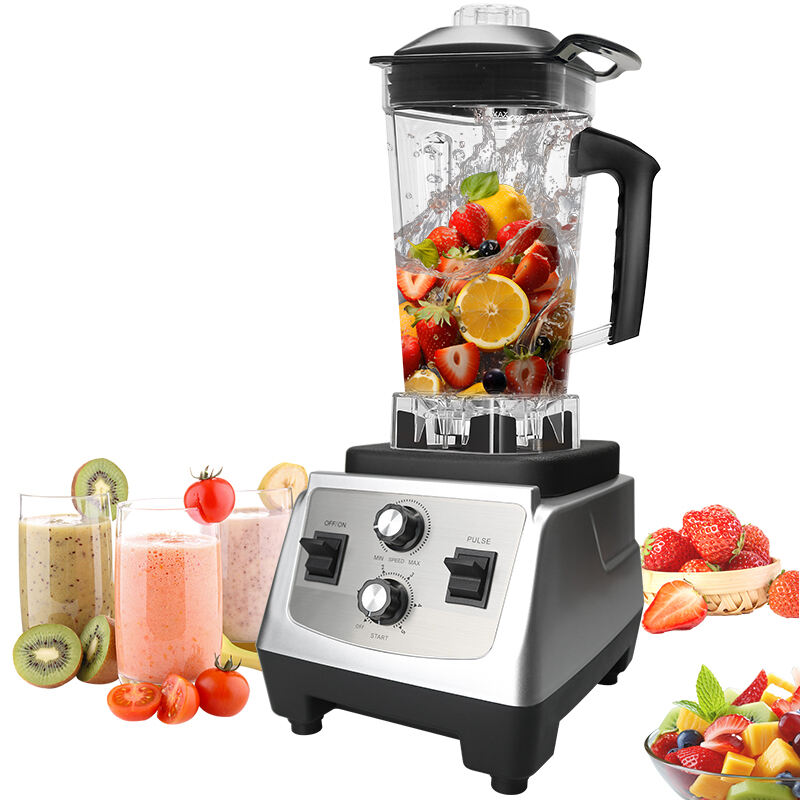
In the modern kitchen, health-conscious consumers face a common dilemma when seeking efficient ways to incorporate more fruits and vegetables into their daily diet. The debate between choosing a versatile juicer blender or investing in a dedicated standalone juicer continues to spark discussions among nutrition enthusiasts and busy homeowners alike. Understanding the fundamental differences between these appliances can significantly impact your juice-making experience, nutritional goals, and kitchen space optimization. A juicer blender offers multifunctional capabilities that extend beyond juice extraction, while standalone juicers focus exclusively on separating juice from pulp with specialized mechanisms.
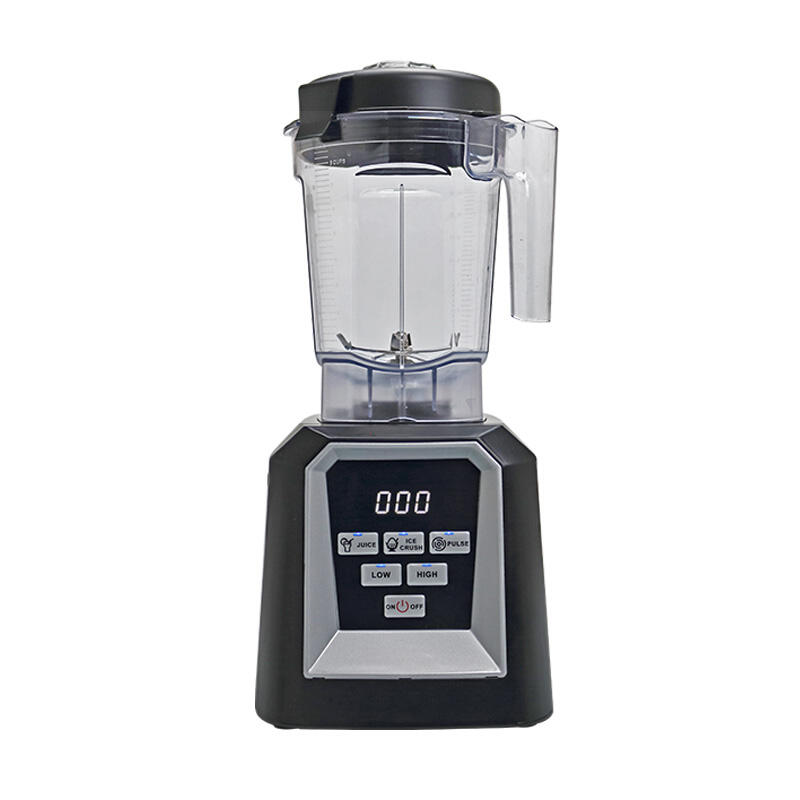
Understanding Juicer Blender Technology
Multi-Purpose Functionality
The juicer blender represents a revolutionary approach to kitchen efficiency by combining multiple food processing capabilities within a single appliance. Unlike traditional blenders that simply pulverize ingredients, advanced juicer blender models incorporate specialized components designed to separate liquid from fiber while maintaining the option for whole-food blending. These versatile machines typically feature variable speed settings, pulse functions, and interchangeable blade systems that accommodate different texture preferences and ingredient types.
Modern juicer blender designs often include built-in straining mechanisms or detachable filter systems that allow users to achieve smoother juice consistency when desired. The technological advancement in motor power and blade engineering enables these appliances to handle tough vegetables, leafy greens, and fibrous fruits that traditionally challenged conventional blenders. This adaptability makes the juicer blender an attractive option for households seeking maximum versatility without cluttering their countertops with multiple appliances.
Extraction Methods and Efficiency
The juice extraction process in a juicer blender relies on high-speed blade rotation combined with centrifugal force to break down cellular structures and release liquid content. This method differs significantly from traditional juicing techniques, as it incorporates air into the mixture while simultaneously processing ingredients. The resulting beverage maintains higher fiber content compared to conventional juicing methods, creating a more substantial drink that can serve as a meal replacement or nutritious snack.
Efficiency considerations for juicer blender operation include processing time, ingredient preparation requirements, and cleanup procedures. Most models can process a full serving of juice within 30-60 seconds, depending on ingredient hardness and desired consistency. The inclusion of preset programs in premium juicer blender units automates the extraction process, adjusting speed and duration based on selected ingredients to optimize nutrient retention and flavor development.
Standalone Juicer Advantages
Specialized Juice Extraction
Standalone juicers excel in their dedicated approach to liquid extraction, utilizing either centrifugal or masticating technology to separate juice from pulp with remarkable precision. Centrifugal juicers employ rapid spinning motion to force juice through fine mesh screens, while masticating models use slow crushing and pressing actions that preserve more nutrients and enzymes. This specialization results in consistently smooth, pulp-free juice that appeals to consumers seeking traditional juice experiences without texture variations.
The efficiency of standalone juicers becomes particularly evident when processing large quantities of produce or working with particularly fibrous vegetables like celery, kale, or wheatgrass. These machines are engineered specifically for juice extraction, featuring optimized feed chutes, powerful motors designed for continuous operation, and collection systems that maximize yield while minimizing waste. Professional-grade standalone juicers can process substantial volumes without overheating or compromising juice quality.
Juice Quality and Shelf Life
The juice produced by standalone juicers typically exhibits superior clarity, smoother texture, and extended shelf life compared to beverages created with blending methods. The separation process eliminates fibrous materials that can cause rapid oxidation and separation, resulting in juice that maintains its appearance and nutritional profile for longer periods when properly stored. Cold-pressed juicing methods, available in masticating standalone juicers, minimize heat generation during processing, preserving heat-sensitive vitamins and enzymes.
Storage considerations become crucial when evaluating juice quality over time. Standalone juicer output generally maintains freshness for 24-48 hours when refrigerated in airtight containers, while blended beverages may separate or develop off-flavors within 12-18 hours. This extended shelf life makes standalone juicing more practical for meal preparation, batch processing, and households with varying consumption schedules.
Cost Analysis and Value Comparison
Initial Investment Considerations
The financial comparison between juicer blender options and standalone juicing equipment reveals significant variations based on quality, features, and brand positioning. Entry-level juicer blender models typically range from moderate to premium pricing, while comparable standalone juicers span a broader price spectrum depending on extraction technology and build quality. High-end masticating juicers often command premium prices due to their specialized components and superior juice quality, whereas centrifugal models offer more accessible entry points for budget-conscious consumers.
Investment evaluation should consider long-term value beyond initial purchase price, including durability, warranty coverage, and replacement part availability. Premium juicer blender units often justify higher costs through extended functionality, superior construction materials, and comprehensive accessory packages that eliminate the need for additional kitchen appliances. The versatility factor becomes particularly valuable in smaller kitchens where space efficiency directly impacts functionality and convenience.
Operating Costs and Maintenance
Ongoing operational expenses differ considerably between juicer blender and standalone juicing approaches, affecting long-term cost-effectiveness calculations. Standalone juicers typically generate more pulp waste, potentially increasing grocery expenses as more produce is required to achieve equivalent juice volumes. Conversely, juicer blender operations utilize entire ingredients, maximizing nutritional value while minimizing waste and reducing overall food costs.
Maintenance requirements vary significantly between appliance types, with standalone juicers often requiring more frequent cleaning of specialized components like mesh screens, augers, and collection chambers. The complexity of disassembly and reassembly can impact daily usage patterns, while simpler juicer blender designs typically feature fewer parts and more straightforward cleaning procedures. Energy consumption patterns also differ, with high-speed blending requiring shorter operation periods compared to slower masticating processes.
Performance Comparison in Real-World Applications
Ingredient Versatility and Processing Capability
The range of ingredients successfully processed by each appliance type reveals important practical considerations for daily use. Juicer blender technology excels with softer fruits, leafy greens, and ingredients that benefit from complete utilization, including seeds, skins, and fibrous components. This comprehensive processing approach creates nutrient-dense beverages that incorporate beneficial compounds often discarded in traditional juicing methods. The ability to handle frozen ingredients, nuts, and protein powders expands functionality beyond simple juice creation.
Standalone juicers demonstrate superior performance with hard vegetables, fibrous produce, and ingredients that require efficient liquid extraction without textural interference. Carrots, apples, celery, and leafy greens yield impressive volumes of clear juice when processed through dedicated juicing mechanisms. However, limitations become apparent with softer fruits like bananas or avocados, which may not process effectively in centrifugal systems and produce minimal juice yields in masticating models.
Speed and Convenience Factors
Processing speed considerations significantly impact daily usage patterns and user satisfaction levels. Juicer blender operations typically complete within one to two minutes, including ingredient addition and processing time, making them ideal for quick morning routines or spontaneous beverage preparation. The single-container design minimizes setup requirements and allows for immediate consumption without additional straining or filtration steps.
Standalone juicing processes vary considerably based on technology type, with centrifugal models offering rapid extraction speeds comparable to blending times, while masticating juicers operate more slowly but produce higher yields and superior nutrient retention. The multi-step process of feeding ingredients, collecting juice, and managing pulp separation requires more time investment but rewards users with larger volumes of pure juice suitable for storage and later consumption.
Nutritional Impact and Health Considerations
Fiber Content and Digestive Benefits
The nutritional profiles of beverages created through different extraction methods present distinct advantages for various dietary goals and health objectives. Juicer blender output retains complete fiber content from processed ingredients, providing sustained energy release, improved digestive function, and enhanced satiety compared to fiber-free alternatives. This comprehensive nutrition approach supports healthy blood sugar management and promotes feelings of fullness that can aid in weight management goals.
Standalone juicing removes insoluble fiber while concentrating vitamins, minerals, and antioxidants in easily absorbed liquid form. This concentrated nutrition delivery can benefit individuals with digestive sensitivities, those recovering from illness, or anyone seeking rapid nutrient absorption without the bulk associated with whole-food consumption. The absence of fiber allows for higher vitamin and mineral density per serving volume.
Nutrient Preservation and Bioavailability
Processing methods significantly influence nutrient retention and bioavailability in finished beverages. High-speed blending in juicer blender applications introduces oxygen and generates heat through friction, potentially compromising certain heat-sensitive nutrients like vitamin C and some B-complex vitamins. However, the retention of complete plant matrices may enhance the absorption of fat-soluble vitamins and protective compounds that work synergistically with fiber components.
Cold-pressed extraction methods available in premium standalone juicers minimize oxidation and heat exposure, preserving delicate nutrients and enzymes that contribute to optimal health benefits. The gentle processing approach maintains the integrity of phytonutrients and antioxidants while creating beverages with extended nutritional stability. Immediate consumption or proper storage becomes crucial for maximizing these nutritional advantages regardless of processing method.
Making the Right Choice for Your Lifestyle
Kitchen Space and Storage Considerations
Physical footprint requirements play a crucial role in appliance selection for many households, particularly those with limited counter space or storage capacity. Juicer blender units typically offer compact designs that combine multiple functions within a single footprint, making them attractive for apartment dwellers, college students, or anyone prioritizing space efficiency. The consolidated approach eliminates the need for separate appliances while maintaining access to diverse food preparation capabilities.
Standalone juicers vary considerably in size requirements, with centrifugal models generally occupying moderate counter space while masticating juicers often demand larger footprints due to horizontal feeding systems and collection containers. Storage considerations extend beyond the main unit to include accessories, collection containers, and cleaning tools that accompany specialized juicing equipment. The frequency of use should guide space allocation decisions to ensure convenient access without creating kitchen clutter.
Usage Patterns and Lifestyle Alignment
Daily routine compatibility significantly influences long-term satisfaction with chosen appliances. Individuals who prefer quick, single-serving beverages with complete nutrition integration may find juicer blender technology better aligned with their lifestyle preferences. The ability to create smoothies, protein shakes, and fiber-rich juices within the same appliance supports varied dietary needs throughout different times of day or seasonal preferences.
Dedicated juicing enthusiasts who prioritize traditional juice experiences, batch preparation, or specific therapeutic applications may benefit more from standalone juicer investments. The specialized capabilities and superior juice quality justify the focused approach for individuals who consume substantial juice quantities or require specific consistency standards. Family size and consumption patterns should guide capacity requirements and feature selections to ensure optimal value realization.
FAQ
Which option provides better value for occasional juice drinkers
For occasional juice consumption, a juicer blender typically offers superior value through its multifunctional capabilities. The versatility allows users to create smoothies, protein shakes, and blended soups when not making juice, maximizing appliance utilization. Occasional users benefit from the simplified operation and reduced maintenance requirements compared to specialized juicing equipment that may sit unused for extended periods.
How do cleaning requirements compare between these appliance types
Juicer blender cleaning generally involves fewer components and simpler procedures, typically requiring only the removal and washing of the blending container and blade assembly. Standalone juicers feature multiple components including feed chutes, screens, pulp containers, and specialized extraction mechanisms that require thorough cleaning after each use. The complexity of disassembly and reassembly can impact daily usage patterns and long-term satisfaction levels.
Which appliance type works better for families with different preferences
Families with diverse taste preferences often find juicer blender technology more accommodating due to its ability to create various texture combinations and incorporate different ingredients simultaneously. The flexibility to adjust consistency levels and add supplementary ingredients like protein powders or nut butters appeals to different family members. Standalone juicers produce consistent results but offer limited customization options for varying individual preferences.
What factors should determine the final purchase decision
The optimal choice depends primarily on intended usage frequency, available kitchen space, budget considerations, and specific nutritional goals. Consumers who prioritize traditional juice experiences, large volume production, or maximum nutrient concentration should consider standalone juicers. Those seeking versatility, space efficiency, and complete nutrition retention will find juicer blender options more suitable. Evaluation of long-term costs, maintenance requirements, and lifestyle compatibility ensures optimal satisfaction with the selected appliance.