 Zhongshan city HaiShang Electric Appliances Co,. Ltd
 EN
EN



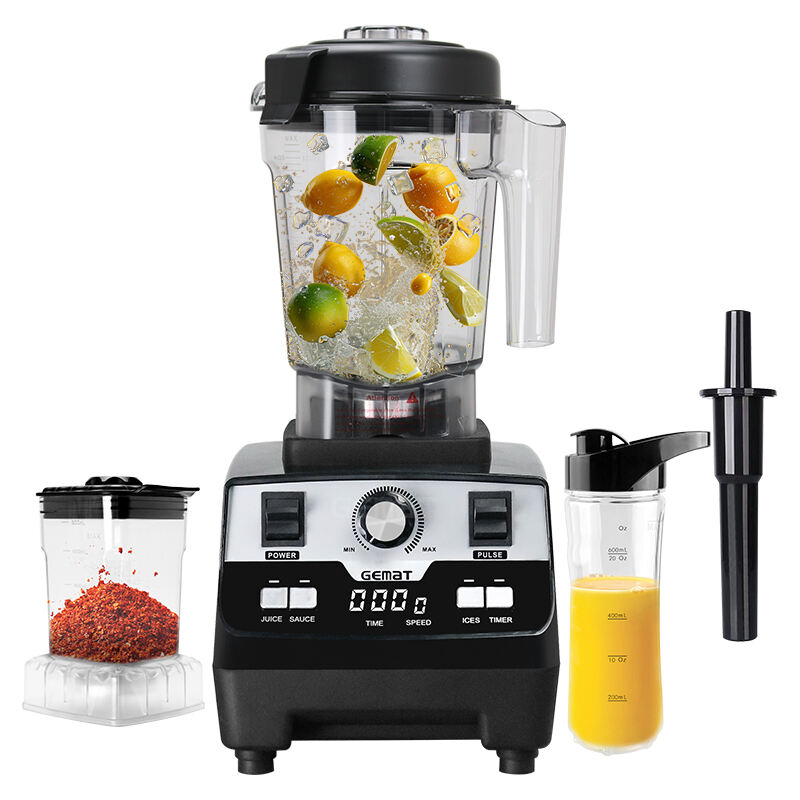
The modern kitchen is defined by efficiency, versatility, and the ability to prepare a wide variety of foods and beverages with minimal effort. At the center of this transformation sits the Food Blender Machine, a piece of equipment that has evolved far beyond its original purpose. Whether in a professional catering environment or a well-equipped home setting, the demand for a reliable, high-performance Food Blender Machine has never been greater. Understanding what makes this appliance truly essential is the first step toward making an informed decision about the right equipment for your kitchen.
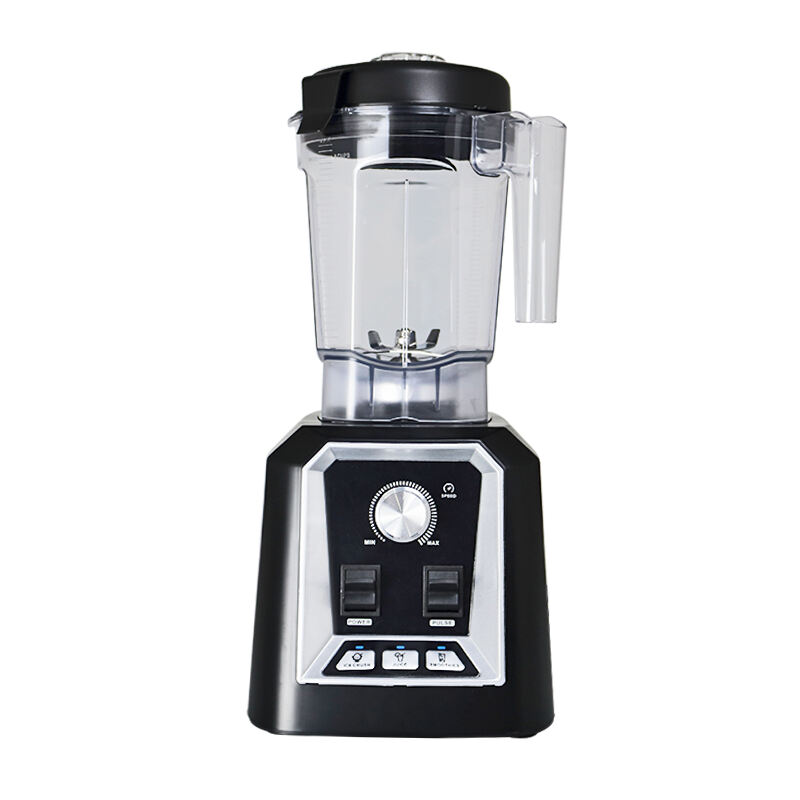
From smoothies and soups to sauces, doughs, and emulsified dressings, a quality Food Blender Machine handles tasks that would otherwise require multiple separate tools. Its value lies not just in convenience, but in the consistency, speed, and quality of results it delivers. In this article, we explore the core reasons why a Food Blender Machine has become an indispensable asset in every modern kitchen setting, and what functional qualities truly set a great model apart from an average one.
The Functional Versatility of a Food Blender Machine
Handling Multiple Food Preparation Tasks
One of the most compelling reasons a Food Blender Machine is considered essential is its ability to replace several individual kitchen tools in one compact unit. Tasks such as pureeing vegetables, crushing ice, emulsifying oils, grinding spices, and blending fruits can all be accomplished with a single appliance. This multi-functionality reduces clutter on prep surfaces and eliminates the need for redundant equipment purchases.
In a commercial kitchen environment, time is directly tied to revenue. A powerful Food Blender Machine capable of switching seamlessly between tasks allows kitchen staff to maintain workflow without stopping to set up different equipment. The reduction in setup and cleanup time alone justifies the investment, especially during high-volume service periods.
Home users also benefit from this versatility. A single Food Blender Machine can serve morning smoothie preparation, midday sauce blending, and evening soup pureeing without any loss in performance. The modern design philosophy behind these machines ensures that transitions between tasks are intuitive and fast.
Precision Blending for Consistent Results
Consistency is one of the most important factors in food quality, particularly in professional settings where every dish must meet a defined standard. A well-engineered Food Blender Machine delivers uniform texture and smooth finishes regardless of the ingredient volume being processed. Variable speed controls and pulse functions allow the operator to fine-tune the blending process for each application.
For recipes that require a specific texture — such as a velvety bisque or a chunky salsa — precision speed control means the difference between a dish that meets expectations and one that disappoints. The Food Blender Machine achieves this through calibrated motor power and blade geometry that distribute force evenly throughout the blending container.
This level of precision also reduces waste. When ingredients are blended to exactly the right consistency on the first attempt, there is less chance of over-processing or under-processing, both of which can lead to discarded batches and unnecessary cost in a professional or home kitchen setting.
Motor Power and Mechanical Engineering Behind the Machine
Why Motor Strength Directly Impacts Performance
The motor is the heart of any Food Blender Machine, and its power output determines which tasks the machine can handle effectively. Entry-level models may struggle with dense ingredients like frozen fruit, raw nuts, or fibrous vegetables, leading to uneven blending and motor strain. A commercial-grade Food Blender Machine, by contrast, operates with motors that sustain high RPM under load without overheating.
High-torque motors are particularly important when processing thick mixtures. When a Food Blender Machine encounters resistance — such as a thick batter or a combination of ice and frozen ingredients — a powerful motor maintains consistent blade rotation rather than slowing down or stalling. This reliability is critical in kitchens where downtime is not an option.
Thermal protection systems built into professional-grade machines prevent overheating during extended use, further extending the operational lifespan of the equipment. Understanding these mechanical characteristics helps buyers select a Food Blender Machine that aligns with their actual usage patterns rather than simply choosing based on price alone.
Blade Design and Container Engineering
Blade configuration plays an equally important role in determining the effectiveness of a Food Blender Machine. Multi-tiered blades positioned at different angles create a vortex within the blending container that draws ingredients toward the cutting edges repeatedly, ensuring even processing throughout the batch. Single-tier flat blades, by contrast, may leave unmixed pockets of ingredients near the container walls.
The shape of the blending container also matters significantly. Tapered containers direct ingredients toward the blades more efficiently, while wide-bottomed containers may allow some ingredients to settle away from the cutting zone. A thoughtfully designed Food Blender Machine integrates blade and container geometry as a coordinated system rather than treating them as independent components.
Material quality is another engineering consideration. Containers made from BPA-free polycarbonate or high-grade stainless steel resist staining, retain temperature neutrality, and withstand heavy daily use. These material choices reflect the overall build quality of the Food Blender Machine and its suitability for demanding kitchen environments.
The Role of a Food Blender Machine in Health-Conscious Cooking
Supporting Nutritional Preservation Through Efficient Processing
Modern consumers are increasingly focused on the nutritional quality of the food they prepare. A high-speed Food Blender Machine processes ingredients quickly, minimizing the oxidation that occurs when food surfaces are exposed to air during slow, manual preparation. Faster blending cycles help preserve vitamins, antioxidants, and natural enzymes in fruits and vegetables.
Smoothies, green drinks, and cold-pressed style beverages have become central to health-oriented diets, and the Food Blender Machine is the primary tool that makes these preparations practical on a daily basis. Without this equipment, achieving the fine textures required for drinkable smoothies from whole ingredients would require far more time and effort than most individuals are willing to invest.
Beyond beverages, a Food Blender Machine also enables the preparation of whole-food sauces, nut butters, and blended soups that retain the fiber and nutrient density of their raw ingredients. This contribution to health-conscious cooking is a significant reason why this appliance has become a non-negotiable tool in contemporary kitchens.
Enabling Dietary Customization and Allergen Management
In households and food service environments that accommodate dietary restrictions or food allergies, the ability to prepare customized meals from scratch is invaluable. A Food Blender Machine empowers cooks to create homemade nut milks, gluten-free batters, dairy-free sauces, and allergy-safe condiments without relying on commercially processed alternatives that may contain hidden ingredients.
For caregivers of young children, elderly individuals, or those with swallowing difficulties, a Food Blender Machine makes it possible to prepare pureed meals from whole, nutritious foods rather than resorting to processed purees. The ability to control both texture and ingredient composition has real-world health implications that go well beyond simple cooking convenience.
This dietary flexibility positions the Food Blender Machine not just as a cooking convenience but as a meaningful contributor to the overall well-being of the people it serves. It is a tool that adapts to individual needs rather than imposing a one-size-fits-all approach to food preparation.
Durability, Maintenance, and Long-Term Value
Build Quality as a Measure of Total Value
A well-constructed Food Blender Machine represents a long-term investment rather than a disposable purchase. The materials used in the motor housing, blade assembly, and container directly determine how many years of reliable service the machine can provide under regular use. Machines with die-cast metal components, reinforced blade assemblies, and sealed motor chambers consistently outlast those built primarily from lightweight plastics.
In commercial kitchens, where a Food Blender Machine may run dozens of cycles per day, durability is not a luxury — it is a baseline requirement. Purchasing a machine that fails within months of deployment leads to disruption, replacement costs, and potential impact on food service quality. Evaluating build specifications before purchase is therefore an essential part of the procurement process.
For home users, a durable Food Blender Machine offers a different kind of value: the confidence that the appliance will perform consistently for years without requiring repair or replacement. This reliability encourages more frequent use, which in turn supports healthier cooking habits and better kitchen routines.
Ease of Cleaning and Hygienic Design
Hygiene is a non-negotiable consideration in any food preparation environment. A Food Blender Machine with a dishwasher-safe container, removable blade assembly, and smooth internal surfaces without hard-to-reach crevices is far easier to maintain at the standard of cleanliness required in both home and commercial settings. Machines that are difficult to clean thoroughly may harbor food residue, creating cross-contamination risks.
Self-cleaning functions, available on many modern professional Food Blender Machine models, allow the operator to run a cleaning cycle with water and a small amount of detergent directly inside the container. This feature dramatically reduces downtime between uses and makes the machine more practical in high-throughput kitchen environments.
The hygienic design of a Food Blender Machine also speaks to the overall design philosophy of the product. Manufacturers who prioritize cleanability typically apply the same careful thinking to other aspects of the machine's design, resulting in a more thoughtfully engineered product overall.
FAQ
What types of foods can a Food Blender Machine process effectively?
A high-quality Food Blender Machine can process a broad range of ingredients including fresh and frozen fruits, raw and cooked vegetables, ice, nuts, grains, liquids, and soft solids. More powerful commercial models can also handle denser materials such as nut butters, thick batters, and fibrous roots. The range of compatible foods depends largely on the motor power and blade design of the specific machine.
How is a Food Blender Machine different from a food processor?
While both appliances process food, their design and application differ significantly. A Food Blender Machine is optimized for liquid-based blending, creating smooth, uniform textures from a mixture of solids and liquids. A food processor, by contrast, is better suited to dry chopping, slicing, and shredding tasks. Many modern kitchens benefit from having both, though a high-powered Food Blender Machine can perform many food processor functions when equipped with appropriate settings.
What motor power should I look for in a commercial Food Blender Machine?
For commercial use, a Food Blender Machine with a motor rated at 1000 watts or above is generally recommended to handle the volume and variety of ingredients processed in a professional kitchen. For lighter commercial use or home kitchens, models in the 600–900 watt range may be sufficient. Motor power should always be evaluated in relation to the specific tasks the machine will regularly perform rather than treated as a standalone specification.
How often should a Food Blender Machine be serviced or inspected?
In commercial environments, a Food Blender Machine should be inspected for blade sharpness, seal integrity, and motor performance at regular intervals — typically every three to six months depending on usage intensity. For home use, an annual inspection of the blade assembly and container for cracks or wear is usually sufficient. Consistent cleaning after every use remains the single most important maintenance practice for extending the operational life of any Food Blender Machine.