 Zhongshan city HaiShang Electric Appliances Co,. Ltd
 EN
EN



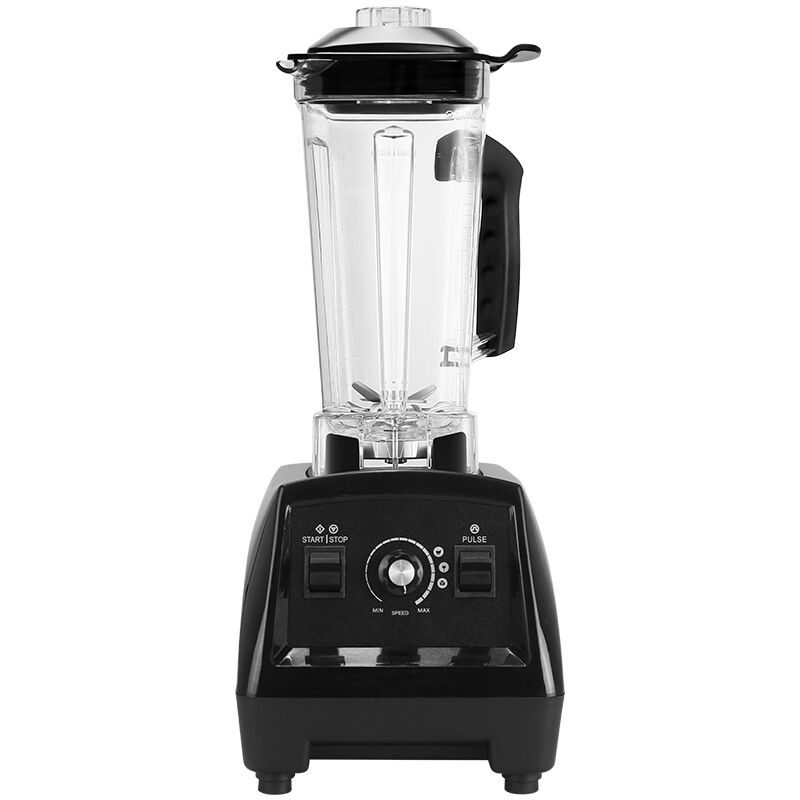
When it comes to crushing ice efficiently and consistently, not every blending machine is built for the task. A Heavy Duty Blender is specifically engineered to handle the mechanical demands that ice crushing places on a motor, blade assembly, and housing structure. Whether you are operating a commercial kitchen, a bar, a smoothie shop, or a food processing facility, understanding what makes a heavy duty blender capable of crushing ice at scale is critical to selecting the right equipment and getting consistent results every time.
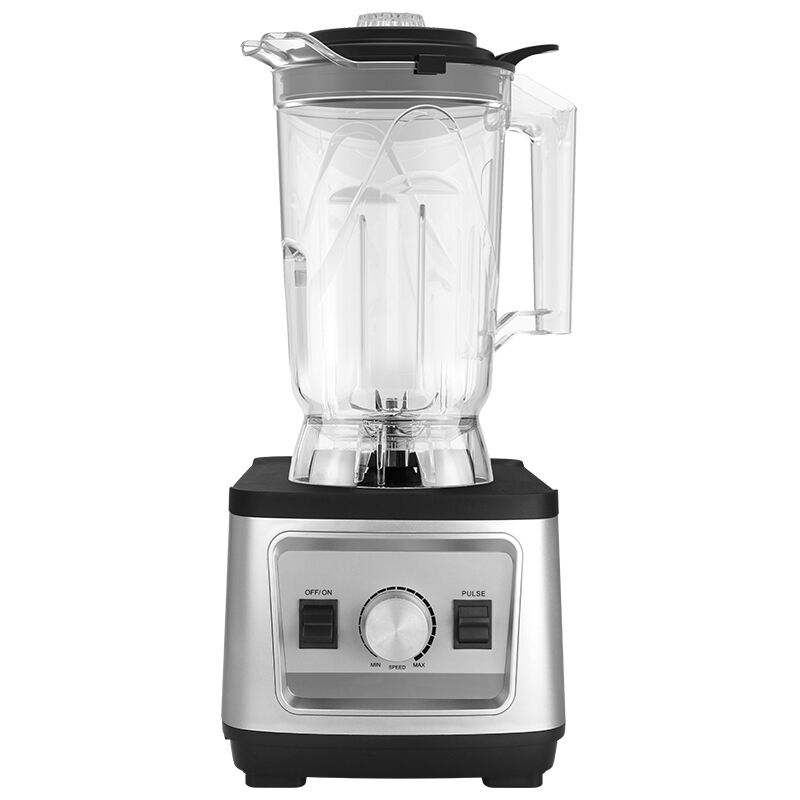
Ice is one of the most mechanically demanding materials a blender can process. Unlike soft fruits, liquids, or even frozen vegetables, ice requires a combination of raw motor power, blade geometry, and structural durability to break down into a fine, uniform texture without damaging the unit. A professional-grade heavy duty blender must therefore meet a specific set of performance benchmarks before it can be trusted in a high-volume ice crushing environment. This article explores those benchmarks in depth, explaining what separates a capable heavy duty blender from one that will fail under sustained ice crushing workloads.
The Mechanical Demands of Ice Crushing
Why Ice Is Harder to Process Than Most Ingredients
Ice presents a unique mechanical challenge because it is a rigid, crystalline solid with significant hardness. When a heavy duty blender attempts to break ice, the blades must generate enough impact force to shatter the ice crystals while the motor maintains sufficient torque to keep the blade spinning without stalling. Standard consumer blenders often fail at this because they are designed for softer ingredients and cannot sustain the load.
The resistance from ice translates directly into increased electrical load on the motor. A heavy duty blender designed for ice crushing must have a motor that can absorb this load repeatedly without overheating or reducing rotational speed. In commercial settings where ice is crushed continuously across multiple service hours, this thermal and mechanical endurance becomes even more critical.
Beyond the motor, the container and blade assembly must also withstand repeated impacts. Ice can cause micro-fractures in lower-quality jar materials over time, and it can dull or chip inadequately hardened blades. A properly built heavy duty blender uses commercial-grade materials throughout the entire processing chain to ensure that ice crushing does not degrade the unit prematurely.
Torque and RPM: Two Sides of Ice Crushing Power
Many buyers focus solely on motor wattage when evaluating a heavy duty blender for ice crushing, but wattage alone does not tell the full story. What matters more is the combination of torque and RPM that the motor delivers at the blade. Torque determines how much rotational force is available to push through dense material, while RPM determines how quickly the blades cycle through that material.
For effective ice crushing, a heavy duty blender typically requires high torque at mid-to-high RPM ranges. If torque is too low, the blades will stall or slow dramatically when hitting a large ice cube. If RPM is too high without sufficient torque, the blades will spin freely but fail to engage with and shatter the ice properly. The ideal heavy duty blender strikes a balance that produces rapid, complete ice breakdown without straining the drivetrain.
In practice, this means that a heavy duty blender intended for serious ice crushing applications should be rated at a minimum of 1000 watts and ideally above 1500 watts in commercial contexts. The motor architecture, whether induction or direct drive, also plays a role in how torque is delivered and sustained over extended periods of use.
Blade Design and Its Role in Ice Performance
Blade Geometry Optimized for Impact
The blade assembly is arguably the most important component in a heavy duty blender when it comes to ice crushing. Unlike blending blades designed for liquids and soft produce, ice crushing blades must be engineered for impact rather than slicing. This typically means using thicker blade stock, harder steel alloys, and a wider blade span that creates more surface area for engaging ice fragments at each rotation cycle.
Many heavy duty blender designs for ice applications use a stacked or multi-tier blade configuration. This places cutting edges at different heights within the jar, allowing ice to be struck, broken, and recirculated more efficiently than a single flat blade assembly would allow. The result is a faster, more uniform crush with less large fragment survival after processing.
Blade angle and pitch also affect how ice is directed after initial impact. Well-designed blades create a vortex that pulls ice fragments downward toward the cutting zone repeatedly, reducing the time needed to achieve a fine crush. In a high-volume setting, this efficiency gain is significant, as it allows a heavy duty blender to process more batches per hour without extended run times.
Material Hardness and Durability of the Blade Assembly
The material used to manufacture blender blades directly determines how well they resist wear from continuous ice contact. A heavy duty blender intended for ice crushing should use stainless steel blades with a high hardness rating, often achieved through heat treatment processes such as hardening and tempering. Softer stainless steel alloys will dull quickly under repeated ice impact, reducing crushing efficiency over time.
In addition to the blades themselves, the blade coupling and bearing assembly must be robust enough to handle lateral forces generated during ice crushing. Ice does not always break symmetrically, and uneven loads can place significant stress on the blade shaft and bearings. A heavy duty blender built for this application will use reinforced shaft bearings and a secure coupling mechanism that does not loosen under repeated impact stress.
Maintenance accessibility is another practical consideration. In commercial use, blade assemblies on a heavy duty blender should be removable and replaceable without specialized tooling, allowing worn blades to be swapped out as part of routine preventive maintenance rather than requiring the entire unit to be serviced or replaced.
Container Capacity and Build Quality for Commercial Ice Crushing
Why Container Volume Matters in High-Volume Settings
In commercial environments, a heavy duty blender must not only crush ice effectively but also crush enough ice per cycle to keep pace with demand. Container capacity directly impacts throughput. A blender jar with a 4-liter capacity, for example, can process significantly more ice per cycle than a smaller 1.5-liter consumer model, reducing the number of cycles needed per service period and decreasing overall wear per volume of output.
However, capacity must be balanced against the motor's ability to process a full load effectively. Overfilling a heavy duty blender with ice can actually reduce crushing quality, as the blades become surrounded by too much material and cannot generate the necessary vortex and recirculation. Manufacturers typically specify a recommended maximum ice load for each model, and staying within that range produces both better results and longer equipment lifespan.
For operations that require very high ice volumes, selecting a heavy duty blender with a larger jar and a proportionally powerful motor is the correct approach. This combination ensures that each cycle processes enough material to justify the operational footprint while still delivering the crushing consistency that demanding recipes or drink preparations require.
Jar Material and Structural Integrity Under Ice Load
The jar or container of a heavy duty blender must be constructed from materials that can absorb the vibration and impact transferred from the blade during ice crushing. Polycarbonate and tritan copolyester are common choices for commercial blender jars because they combine impact resistance with transparency and chemical resistance. However, in very high-duty applications, stainless steel or reinforced jar designs may be more appropriate.
Jar wall thickness is an important specification that is often overlooked. Thinner jar walls transmit more vibration to the outer housing and are more susceptible to cracking under thermal and mechanical stress. A heavy duty blender designed for sustained ice crushing should have jars with walls thick enough to dampen vibration and resist cracking through thousands of ice crushing cycles.
The lid and lid seal are also structural components that matter significantly during ice crushing. The forces generated inside the jar when large ice fragments are being broken can be substantial, and a poorly fitting or flimsy lid can fail suddenly during operation. A heavy duty blender should feature a locking lid mechanism that seals tightly and remains secured even when the jar contents are under significant agitation.
Thermal Management and Continuous Duty Ratings
Understanding Continuous Duty vs Intermittent Duty Motors
One of the most important distinctions between a consumer blender and a truly capable heavy duty blender for ice crushing is the duty cycle rating of the motor. Consumer blenders are often rated for intermittent duty only, meaning they are designed to run for short periods followed by mandatory rest intervals. In a high-volume commercial environment where ice is being crushed batch after batch, an intermittent duty motor will overheat and eventually fail.
A heavy duty blender built for commercial ice crushing should carry a continuous duty or high-cycle rating that specifies how long the motor can run without rest and how many cycles it can complete within a given period. This information is essential for matching the equipment to the actual operational demands of the environment where it will be deployed.
Thermal protection systems are also a standard feature in quality heavy duty blender designs. These systems monitor motor temperature and automatically reduce power or pause operation if safe limits are being approached, preventing damage without requiring manual intervention. While these systems are protective, they should not be relied upon as a substitute for selecting a motor that is appropriately rated for the workload from the outset.
Cooling Design and Heat Dissipation in Heavy Use
Effective heat dissipation is a design characteristic that separates durable commercial heavy duty blender units from those that degrade quickly under sustained ice crushing workloads. Motors generate heat as they work, and in ice crushing applications, the motor is frequently operating near its peak load. Without adequate cooling, heat accumulates in the motor windings and bearings, accelerating wear and reducing service life.
Commercial-grade heavy duty blender units typically incorporate ventilation channels, cooling fans, or both to manage motor temperature. The base design should allow airflow through the motor compartment, and any dust or residue that accumulates around the ventilation ports should be cleared as part of routine maintenance to preserve cooling efficiency.
The placement of the blender during operation also affects thermal management. A heavy duty blender should never be operated in a confined space that restricts airflow around the base, and it should not be placed directly adjacent to heat sources such as ovens or steamers. Proper placement is a simple operational measure that can meaningfully extend the service life of the unit in a commercial environment.
FAQ
What motor power is recommended for a heavy duty blender used primarily for ice crushing?
For ice crushing in commercial or high-volume settings, a heavy duty blender with a motor rated at a minimum of 1000 watts is generally recommended. Units intended for continuous commercial use often range from 1500 watts to over 2000 watts. The key is not wattage alone but the combination of torque, RPM, and duty cycle rating that ensures the motor can sustain ice crushing loads without overheating or stalling across extended service periods.
How does blade design affect the quality of the ice crush produced by a heavy duty blender?
Blade design significantly affects both the texture and consistency of crushed ice. A heavy duty blender with multi-tier blades and a wide cutting radius tends to produce a finer, more uniform crush compared to simple single-blade configurations. Blade hardness also matters because dull blades produce uneven fragments and increase the time and energy required to reach the desired texture. Investing in a model with professionally hardened blades and an accessible replacement system is advisable for commercial use.
Can a heavy duty blender handle continuous ice crushing throughout a full commercial service shift?
Yes, but only if the heavy duty blender is rated for continuous or high-cycle duty. Many industrial-grade units are specifically designed to handle repeated back-to-back cycles across full service hours, provided they are operated within the manufacturer's specified load limits and proper maintenance procedures are followed. Units with integrated thermal protection and efficient motor cooling systems are best suited to this type of sustained operational demand.
What container size is best suited for a heavy duty blender in a bar or commercial kitchen setting?
For bar and commercial kitchen environments, a heavy duty blender with a container capacity between 3 liters and 5 liters is typically the most practical choice. This range offers sufficient batch volume to meet peak demand without overloading the motor on each cycle. Units such as the 4-liter capacity heavy duty blender are popular in these settings because they balance throughput efficiency with the motor power required to process a full jar of ice reliably and consistently.
Table of Contents
- The Mechanical Demands of Ice Crushing
- Blade Design and Its Role in Ice Performance
- Container Capacity and Build Quality for Commercial Ice Crushing
- Thermal Management and Continuous Duty Ratings
-
FAQ
- What motor power is recommended for a heavy duty blender used primarily for ice crushing?
- How does blade design affect the quality of the ice crush produced by a heavy duty blender?
- Can a heavy duty blender handle continuous ice crushing throughout a full commercial service shift?
- What container size is best suited for a heavy duty blender in a bar or commercial kitchen setting?