 Zhongshan city HaiShang Electric Appliances Co,. Ltd
 EN
EN



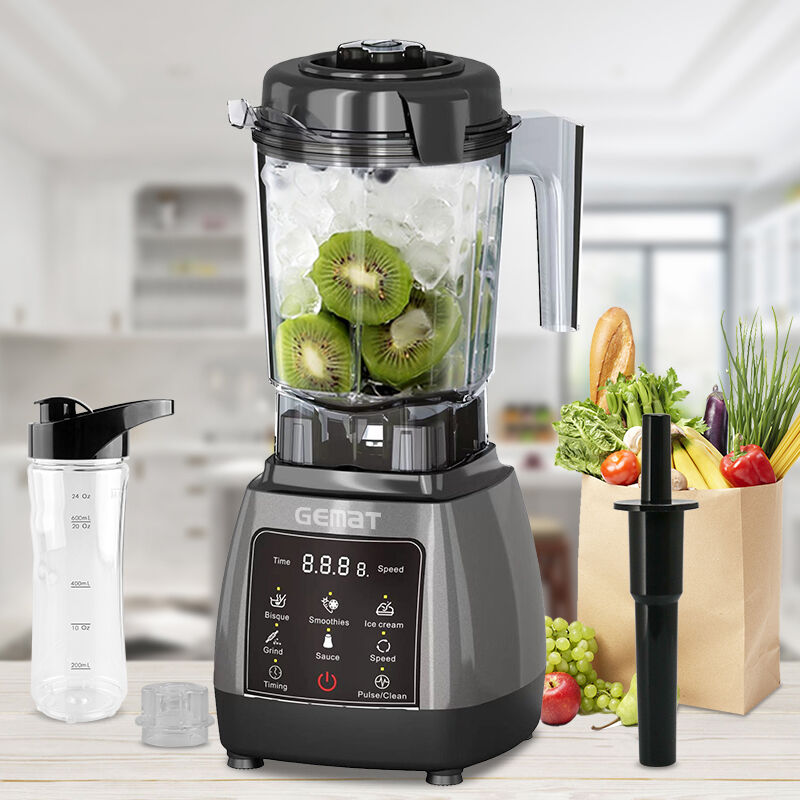
Modern cooking has evolved beyond traditional methods, and the kitchen blender stands as one of the most versatile appliances transforming how we prepare meals. This powerful device has become an indispensable tool for health-conscious individuals and culinary enthusiasts alike. The contemporary kitchen blender offers capabilities that extend far beyond simple mixing, making it a cornerstone appliance for efficient food preparation. Whether you're creating nutritious smoothies, preparing homemade sauces, or processing ingredients for complex recipes, a high-quality kitchen blender delivers consistent results that manual methods simply cannot match.
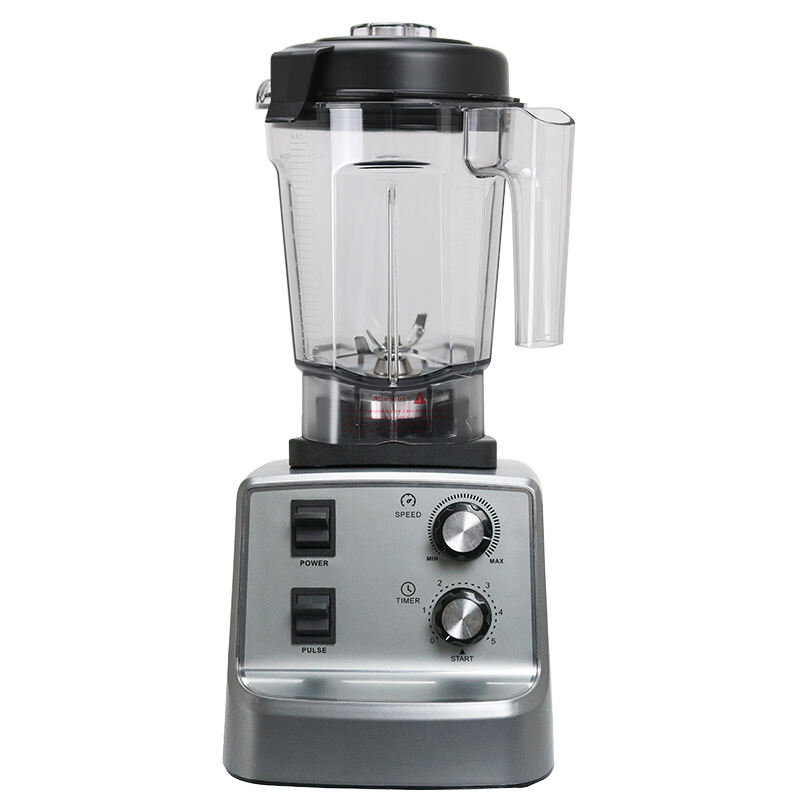
Revolutionary Features of Modern Kitchen Blending Technology
Advanced Motor Systems and Performance
The heart of any effective kitchen blender lies in its motor system, which determines the appliance's ability to handle various ingredients and textures. High-performance motors typically range from 1000 to 1500 watts, providing sufficient power to crush ice, blend frozen fruits, and process tough fibrous vegetables. These motors are engineered with variable speed controls that allow users to achieve precise textures for different recipes. The motor's durability ensures that your kitchen blender can withstand daily use without compromising performance over time.
Advanced motor technology also incorporates intelligent cooling systems that prevent overheating during extended operation periods. This feature is particularly important when preparing large batches or working with dense ingredients that require prolonged processing. The sophisticated engineering behind modern kitchen blender motors ensures consistent torque delivery, maintaining blade speed even under heavy loads. This reliability makes the kitchen blender an ideal choice for both home cooks and professional chefs who demand consistent results.
Precision Blade Design and Functionality
The blade assembly represents a critical component that distinguishes superior kitchen blender models from basic alternatives. Premium blades are typically constructed from hardened stainless steel and feature carefully engineered angles that create optimal vortex patterns. These patterns ensure thorough ingredient circulation, preventing the formation of air pockets that can compromise blending efficiency. The multi-level blade configuration allows the kitchen blender to process ingredients at different heights simultaneously, maximizing contact and reducing processing time.
Modern blade designs also incorporate serrated edges that enhance cutting performance, particularly when dealing with fibrous vegetables or tough protein sources. The strategic placement of these blades creates a cyclonic action that draws ingredients downward toward the cutting zone, ensuring complete processing. This innovative approach eliminates the need for frequent stopping and scraping, making the kitchen blender more efficient and user-friendly. The removable blade assembly also facilitates thorough cleaning and maintenance, extending the appliance's operational lifespan.
Versatile Applications in Contemporary Cooking
Nutritional Beverage Creation
One of the most popular applications for a kitchen blender involves creating nutritious beverages that support healthy lifestyle choices. Smoothies, protein shakes, and green juices have become staples in modern diets, and a quality kitchen blender makes these preparations effortless. The appliance's ability to completely break down cellular structures in fruits and vegetables maximizes nutrient availability and digestibility. This process creates smooth, palatable beverages that retain all the beneficial compounds found in whole ingredients.
The kitchen blender excels at incorporating superfoods like chia seeds, flax seeds, and protein powders into beverages without leaving unwanted texture variations. Advanced models can even heat ingredients through friction, allowing users to create warm soups and beverages directly in the blending container. This capability transforms the traditional kitchen blender into a multi-functional cooking appliance that streamlines meal preparation while maintaining nutritional integrity.
Sauce and Condiment Preparation
Professional kitchens have long recognized the kitchen blender as an essential tool for creating consistent sauces and condiments. From classic mayonnaise and hollandaise to complex curry pastes and pesto, the appliance delivers uniform textures that are difficult to achieve through manual methods. The controlled processing environment allows for gradual oil incorporation in emulsification processes, preventing separation and ensuring stable final products.
The precision speed control available in modern kitchen blender models enables users to adjust texture from coarse to ultra-smooth, accommodating different recipe requirements and personal preferences. This versatility makes it possible to create restaurant-quality sauces at home while maintaining complete control over ingredients and flavor profiles. The ability to process small quantities efficiently also makes the kitchen blender ideal for preparing fresh condiments that complement specific dishes without waste.
Technical Innovations Enhancing User Experience
Smart Control Systems
Contemporary kitchen blender technology incorporates intelligent control systems that simplify operation while maximizing results. Preset programs automatically adjust speed and timing for specific tasks like ice crushing, soup making, or smoothie preparation. These automated sequences eliminate guesswork and ensure consistent outcomes regardless of user experience level. The intuitive interface design makes the kitchen blender accessible to all family members while providing advanced options for experienced cooks.
Touch-sensitive controls and digital displays provide real-time feedback about processing time and speed settings, allowing users to make adjustments as needed. Some advanced models feature connectivity options that enable remote operation and recipe sharing through smartphone applications. These smart features transform the traditional kitchen blender into a connected appliance that integrates seamlessly with modern digital lifestyles while maintaining core functionality.
Safety and Convenience Features
Modern safety engineering ensures that kitchen blender operation remains secure even during intensive use. Automatic lid detection prevents accidental operation when the container is not properly secured, while thermal protection systems shut down the motor if overheating occurs. These safety features protect both users and the appliance itself, reducing the risk of accidents and extending operational lifespan.
Convenience features like self-cleaning cycles and dishwasher-safe components simplify maintenance and encourage regular use. The kitchen blender design prioritizes user comfort with ergonomic handles and lightweight construction that facilitates easy handling and storage. Anti-vibration technology reduces noise levels and prevents countertop movement during operation, making the appliance suitable for use at any time without disturbing household members.
Selecting the Optimal Kitchen Blender for Your Needs
Capacity and Size Considerations
Choosing the appropriate kitchen blender size depends on household requirements and available storage space. Single-serving models typically feature 12-16 ounce containers ideal for individual smoothies and small-batch preparations. Family-sized units offer 48-64 ounce capacities suitable for meal preparation and entertaining. The container shape also influences performance, with tall narrow designs creating stronger vortex action while wide bases accommodate larger ingredient pieces more easily.
Commercial-grade kitchen blender models feature even larger capacities and more robust construction designed for frequent use and demanding applications. These professional units often include multiple container options, allowing users to switch between different sizes based on specific tasks. The investment in a larger capacity kitchen blender proves worthwhile for families who regularly prepare fresh meals and beverages, reducing the need for multiple processing sessions.
Material Quality and Durability
The construction materials used in kitchen blender manufacturing directly impact performance, durability, and safety. High-grade plastics used in container construction must be BPA-free and resistant to staining and odor absorption. Glass containers offer superior durability and are completely inert, making them ideal for processing acidic ingredients without flavor contamination. Stainless steel components resist corrosion and maintain sharp cutting edges longer than alternative materials.
The base unit housing should feature robust construction that can withstand the vibrations and forces generated during intensive blending operations. Quality kitchen blender models incorporate sound-dampening materials that reduce noise levels while maintaining structural integrity. The investment in superior materials ensures that your kitchen blender will provide reliable service for many years, making it a cost-effective addition to your culinary arsenal.
Maintenance and Care Best Practices
Daily Cleaning Procedures
Proper maintenance ensures that your kitchen blender continues to operate at peak performance while preventing bacterial growth and odor development. Immediate cleaning after each use prevents ingredient residues from hardening and becoming difficult to remove. A simple rinse with warm water followed by a brief blending cycle with dish soap creates effective cleaning action that reaches all internal surfaces.
For thorough sanitization, the kitchen blender container and removable components should be washed with hot soapy water or placed in the dishwasher if manufacturer specifications allow. The blade assembly requires careful handling during cleaning to prevent injury while ensuring complete removal of food particles. Regular cleaning maintains hygienic conditions and preserves the appliance's appearance and functionality over time.
Long-term Maintenance Strategies
Periodic deep cleaning and inspection help identify potential issues before they compromise kitchen blender performance. Monthly disassembly and thorough cleaning of all removable parts prevents buildup of oils and proteins that can affect motor performance. Blade sharpness should be evaluated regularly, and replacement considered when cutting efficiency declines noticeably.
Storage in a clean, dry environment protects the kitchen blender from dust and moisture that can damage electronic components. Regular inspection of power cords and control interfaces ensures safe operation and early detection of wear signs. Following manufacturer maintenance recommendations and using only approved replacement parts preserves warranty coverage and ensures continued reliable operation of your kitchen blender investment.
FAQ
What features should I prioritize when choosing a kitchen blender?
When selecting a kitchen blender, prioritize motor power (minimum 1000 watts for versatility), variable speed controls for texture precision, and durable blade construction from hardened stainless steel. Container capacity should match your household needs, while safety features like automatic lid detection and thermal protection ensure secure operation. Consider models with preset programs if you prefer automated operation, and ensure all components are easy to clean and maintain.
Can a kitchen blender replace other food processing appliances?
A high-quality kitchen blender can handle many tasks traditionally requiring separate appliances, including food processing, juicing, and even some mixing applications. However, specialized tasks like bread kneading, precise slicing, or heavy-duty grinding may still require dedicated equipment. The kitchen blender excels at liquid-based preparations and can effectively process most ingredients to smooth or chunky consistencies, making it a versatile centerpiece for most culinary needs.
How do I prevent my kitchen blender from becoming damaged during heavy use?
To protect your kitchen blender during intensive use, avoid overloading the container beyond recommended capacity and add liquids first to facilitate proper circulation. Use pulse settings for hard ingredients like ice or frozen fruits to reduce motor strain. Allow the motor to cool between extended sessions, and ensure proper blade maintenance through regular cleaning and inspection. Quality models with thermal protection will automatically shut down if overheating occurs, preventing permanent damage.
What safety precautions are essential when operating a kitchen blender?
Essential safety practices for kitchen blender operation include ensuring the lid is securely locked before starting, keeping hands and utensils away from moving blades, and never removing the lid while the motor is running. Unplug the appliance before cleaning or performing maintenance, and ensure the container is properly seated on the base before operation. Always read and follow manufacturer instructions, and inspect power cords regularly for signs of wear or damage that could create safety hazards.