 Zhongshan city HaiShang Electric Appliances Co,. Ltd
 EN
EN



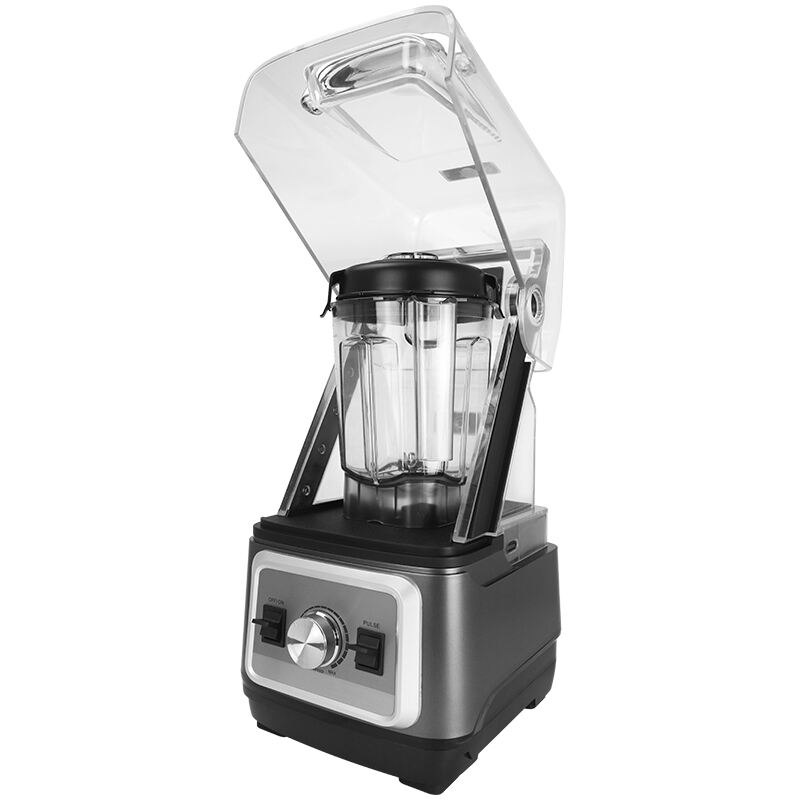
When it comes to blending ingredients for smoothies, sauces, or food preparation, choosing between a heavy duty blender and a regular blender can significantly impact your results. The distinction between these two types of blenders extends far beyond their price points, encompassing durability, performance capabilities, and overall functionality. Understanding these differences helps consumers and businesses make informed decisions based on their specific blending requirements and usage frequency.
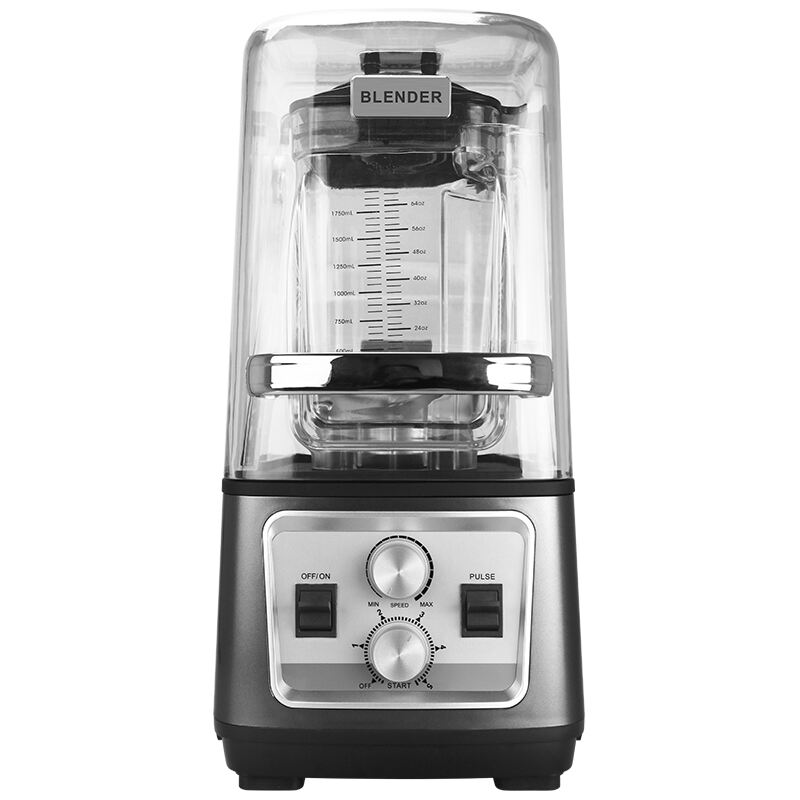
The fundamental difference between these blender categories lies in their construction quality, motor power, and intended application scope. A heavy duty blender typically features reinforced components designed to withstand continuous operation and handle challenging ingredients that would overwhelm standard household models. These professional-grade appliances incorporate advanced engineering solutions that enable them to process tough materials while maintaining consistent performance over extended periods.
Regular blenders, while perfectly adequate for basic home use, operate within more limited parameters regarding ingredient types and processing duration. They excel at handling soft fruits, liquids, and moderate blending tasks but may struggle with demanding applications such as crushing ice, grinding nuts, or processing fibrous vegetables consistently.
Motor Power and Performance Capabilities
Engine Specifications and Output
The motor represents the heart of any blending system, and heavy duty blender models typically feature significantly more powerful engines compared to their regular counterparts. Professional-grade units often incorporate motors ranging from 2 to 3.5 horsepower, while standard home blenders usually operate with motors between 0.5 to 1.5 horsepower. This substantial power difference translates directly into blending capability and processing speed.
Higher motor output enables heavy duty blender units to maintain consistent blade rotation speeds even when processing dense or resistant materials. The increased torque allows these machines to power through tough ingredients without stalling or overheating, ensuring smooth operation during demanding blending sessions. This enhanced performance capability makes them ideal for commercial kitchens, restaurants, and high-volume food preparation environments.
Speed Control and Versatility
Advanced speed control systems distinguish professional heavy duty blender models from basic alternatives. These sophisticated machines often feature variable speed controls, allowing operators to fine-tune blending intensity based on specific ingredient requirements. The ability to adjust processing speeds ensures optimal results across diverse applications, from gentle mixing to high-intensity pulverization.
Many heavy duty blender units incorporate preset programs designed for specific tasks such as smoothie preparation, soup blending, or ice crushing. These intelligent features eliminate guesswork and ensure consistent results regardless of operator experience level. Regular blenders typically offer fewer speed options and lack sophisticated programming capabilities, limiting their versatility in professional applications.
Construction Quality and Durability
Materials and Build Standards
The construction quality of a heavy duty blender reflects its intended professional use through premium materials and reinforced design elements. These units typically feature stainless steel components, reinforced plastic housings, and heavy-duty coupling systems designed to withstand continuous operation. The superior materials resist wear, corrosion, and impact damage that could compromise performance over time.
Regular blenders often utilize lighter-weight materials and simpler construction methods to achieve consumer-friendly price points. While adequate for occasional home use, these materials may not withstand the stress of frequent operation or challenging ingredients. The difference in build quality becomes apparent during extended use periods, where heavy duty blender models maintain performance while regular units may experience degradation.
Component Longevity and Maintenance
Professional heavy duty blender designs prioritize component longevity through superior engineering and quality materials. Bearings, seals, and drive mechanisms receive enhanced specifications to ensure reliable operation over thousands of blending cycles. This attention to durability reduces maintenance requirements and extends operational lifespan significantly compared to standard models.
Maintenance accessibility represents another advantage of heavy duty blender construction. Professional units often feature modular designs that facilitate component replacement and routine servicing. This serviceability ensures continued operation in commercial environments where downtime directly impacts productivity and profitability.
Blade Design and Processing Efficiency
Cutting Technology and Materials
Blade design significantly influences blending performance, and heavy duty blender models incorporate advanced cutting technology optimized for diverse ingredient processing. These blades typically feature hardened stainless steel construction with precision-engineered angles and edges designed to create efficient vortex patterns and maximize ingredient circulation within the container.
The blade configuration in professional heavy duty blender units often includes multiple cutting surfaces positioned at strategic angles to ensure thorough processing of all ingredients. This sophisticated design prevents ingredient bypass and ensures uniform texture throughout the blend. Regular blender blades, while functional for basic applications, may lack the complexity needed for consistent professional-quality results.
Container Design Integration
Container design works synergistically with blade technology to optimize blending efficiency in heavy duty blender systems. Professional containers feature specific shapes and internal ribbing patterns that promote proper ingredient flow and prevent air pockets that could reduce processing effectiveness. The container walls often incorporate sound-dampening materials to reduce operational noise in commercial environments.
Heavy duty blender containers typically offer larger capacities compared to regular models, accommodating higher-volume food preparation requirements. The reinforced construction handles the stress of high-speed operation and frequent use without cracking or developing leaks that could compromise performance.
Application Scope and Usage Scenarios
Commercial and Professional Applications
Heavy duty blender units excel in commercial kitchens, restaurants, smoothie bars, and food service operations where consistent performance and reliability are essential. These environments demand equipment capable of processing large volumes of ingredients quickly and efficiently while maintaining quality standards throughout extended operating periods.
Professional food preparation often involves challenging ingredients such as frozen fruits, ice, nuts, and fibrous vegetables that require significant processing power. Heavy duty blender models handle these demanding applications effortlessly, ensuring smooth operation and consistent results regardless of ingredient difficulty. The enhanced durability prevents equipment failures that could disrupt service and impact customer satisfaction.
Home and Personal Use Considerations
While heavy duty blender models offer superior performance, regular blenders remain appropriate for many home applications where processing demands are moderate and usage frequency is limited. Families preparing occasional smoothies, sauces, or soups may find regular blenders adequate for their needs while offering significant cost savings.
However, households with extensive blending requirements or those who frequently process challenging ingredients may benefit from investing in heavy duty blender technology. The enhanced performance and durability can justify the higher initial cost through improved results and extended operational lifespan.
Cost Analysis and Return on Investment
Initial Investment Comparison
The price differential between heavy duty blender models and regular alternatives reflects the significant differences in construction quality, performance capabilities, and intended applications. Professional units typically command premium prices due to their advanced engineering, superior materials, and enhanced functionality. This higher initial investment must be evaluated against the specific requirements and expected usage patterns.
Regular blenders offer attractive entry-level pricing that makes them accessible to budget-conscious consumers. For applications where basic blending functionality meets requirements and usage frequency remains low, these affordable options provide adequate performance without significant financial commitment.
Long-term Value Proposition
Heavy duty blender models often deliver superior long-term value through their extended operational lifespan and reduced maintenance requirements. The robust construction and quality components resist wear and degradation that commonly affect regular blenders over time. This durability advantage translates into lower replacement costs and reduced downtime in commercial applications.
Professional heavy duty blender units also maintain performance consistency throughout their operational lifespan, ensuring continued processing quality and efficiency. This reliability factor becomes particularly important in commercial environments where consistent output quality directly impacts business success and customer satisfaction.
FAQ
What makes a heavy duty blender more expensive than regular models
Heavy duty blender models command higher prices due to their superior motor power, reinforced construction materials, advanced blade technology, and enhanced durability features. These professional-grade components and engineering solutions enable continuous operation and processing of challenging ingredients that would overwhelm regular blenders. The premium pricing reflects the significant investment in quality materials and sophisticated manufacturing processes required to achieve professional performance standards.
Can regular blenders handle the same tasks as heavy duty models
While regular blenders can perform basic blending tasks adequately, they typically struggle with demanding applications such as crushing large quantities of ice, grinding nuts, or processing fibrous vegetables consistently. Heavy duty blender models excel at these challenging tasks due to their powerful motors and reinforced components. Regular blenders work well for occasional smoothie preparation and simple sauce mixing but may experience performance limitations or component failure when subjected to intensive use.
How do I determine which type of blender suits my needs
Consider your usage frequency, ingredient types, and volume requirements when choosing between heavy duty blender and regular models. If you blend daily, process tough ingredients, or require commercial-quality results, a heavy duty blender offers superior performance and durability. For occasional home use with soft ingredients and basic applications, a regular blender may provide adequate functionality at a lower cost. Evaluate your specific requirements and budget to make the most appropriate choice.
What maintenance differences exist between these blender types
Heavy duty blender models typically require less frequent maintenance due to their robust construction and quality components, though they may need periodic professional servicing for optimal performance. Regular blenders often require more frequent blade sharpening, seal replacement, and component inspection due to their lighter construction. Professional heavy duty blender units often feature modular designs that facilitate maintenance and component replacement, while regular models may require complete unit replacement when key components fail.