 Zhongshan city HaiShang Electric Appliances Co,. Ltd
 EN
EN



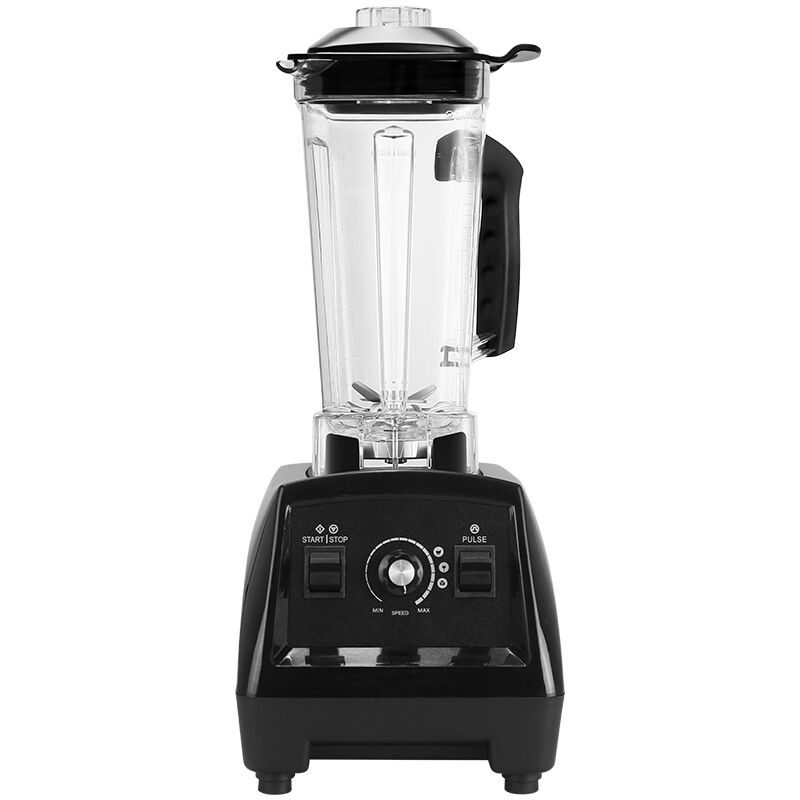
Maintaining a mechanical blender properly is essential for ensuring its longevity and consistent performance in commercial and industrial settings. Whether you operate a restaurant, juice bar, laboratory, or food processing facility, understanding how to care for your mechanical blender can save you significant costs in repairs and replacements while maintaining optimal blending efficiency. This comprehensive guide walks you through the critical maintenance procedures, best practices, and troubleshooting strategies that will keep your mechanical blender operating at peak performance for years to come.
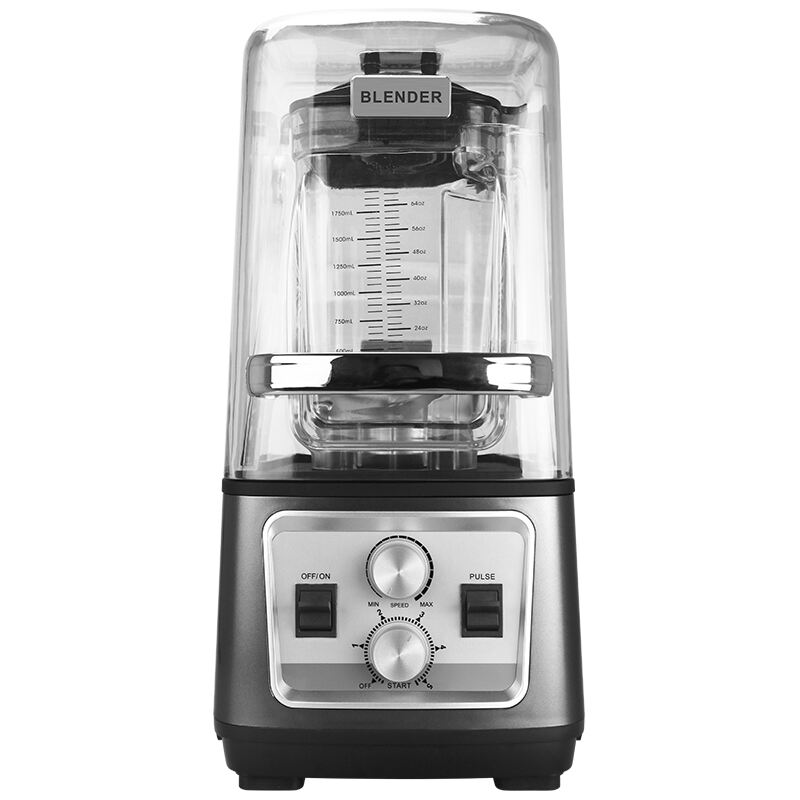
The mechanical blender represents a significant investment for any business, and proper maintenance directly impacts your return on that investment. Unlike simple household appliances, commercial-grade mechanical blenders endure intense daily use, processing everything from tough fibrous vegetables to frozen ingredients and dense mixtures. Without a structured maintenance approach, even the most robust mechanical blender will experience premature wear, decreased blending quality, and unexpected breakdowns that disrupt your operations. This article provides actionable maintenance steps tailored specifically to the unique demands placed on mechanical blenders in professional environments.
Understanding Your Mechanical Blender Components
Core Mechanical Systems and Their Functions
Before implementing any maintenance routine, you must understand the fundamental components of your mechanical blender and how they work together. The motor assembly serves as the heart of the system, converting electrical energy into rotational force. This motor connects to a drive coupling mechanism that transfers power to the blade assembly. The container or jar sits atop the base unit, secured by a locking mechanism that ensures safe operation. Between these components, various seals, gaskets, and bearings facilitate smooth operation while preventing leaks and minimizing friction.
The blade assembly itself consists of precisely engineered cutting surfaces mounted on a central shaft. In a quality mechanical blender, these blades are typically constructed from hardened stainless steel designed to withstand continuous impact with hard ingredients. The blade assembly connects to the motor through a coupling system that may utilize gears, belts, or direct drive mechanisms depending on your specific model. Understanding this connection point is crucial because it represents one of the most stress-intensive areas of the entire system.
The control system in modern mechanical blenders ranges from simple rotary switches to sophisticated electronic interfaces with programmable cycles. These controls regulate motor speed, operation duration, and in some cases, monitor internal temperatures to prevent overheating. The housing and structural components provide stability during operation and protect internal mechanisms from external contaminants. Each of these systems requires specific maintenance attention to ensure your mechanical blender continues delivering consistent results.
Identifying Wear Points and Failure Zones
Certain components in your mechanical blender experience higher stress levels and therefore require more frequent inspection and maintenance. The drive coupling experiences constant rotational stress and is particularly vulnerable to wear when the blender processes thick or frozen materials that create resistance. Inspect this coupling regularly for signs of cracking, distortion, or looseness that could indicate impending failure. Early detection of coupling wear prevents more extensive damage to the motor assembly.
Blade assemblies naturally dull over time, especially when processing hard ingredients like ice, frozen fruits, or nuts. Dull blades force the motor to work harder, generating excess heat and reducing blending efficiency. Additionally, the blade mounting hardware can loosen due to vibration, creating dangerous operating conditions and poor blending performance. The gasket seals around the blade assembly and jar base deteriorate from exposure to heat, cleaning chemicals, and the acids present in many blended ingredients. These seals must maintain perfect integrity to prevent leaks that could damage electrical components.
Motor bearings facilitate smooth shaft rotation and endure tremendous forces during operation. When bearings begin to fail, you may notice unusual noises, vibration, or heat generation. The electrical connections and switches also represent potential failure points, particularly in high-moisture environments where corrosion can develop. By identifying these critical wear zones, you can focus your maintenance efforts where they matter most, extending the operational life of your mechanical blender significantly.
Daily Maintenance Procedures for Optimal Performance
Post-Operation Cleaning Protocols
Implementing thorough cleaning procedures after each use session forms the foundation of effective Mechanical Blender maintenance. Immediately after completing your blending tasks, rinse the container and blade assembly with warm water to remove the bulk of residue before it can dry and harden. For most applications, fill the container halfway with warm water, add a small amount of mild detergent, and run the mechanical blender at medium speed for thirty to sixty seconds. This self-cleaning method effectively removes most food particles and residue from blade surfaces and container walls.
After the initial cleaning cycle, disassemble removable components according to your manufacturer's guidelines. Wash the container, lid, and any removable seals separately using warm soapy water and a soft brush to reach crevices where residue accumulates. Avoid using abrasive scrubbers that could scratch surfaces and create harboring points for bacteria. Pay particular attention to the blade assembly, carefully cleaning around each blade edge and the seal area where the blades attach to the container base. Dried residue in these areas compromises both hygiene and mechanical performance.
Thoroughly dry all components before reassembly to prevent moisture-related issues. Water trapped in sealed areas can promote bacterial growth and contribute to seal deterioration. Inspect seals and gaskets during each cleaning session, checking for tears, deformation, or loss of elasticity. Wipe down the motor base housing with a damp cloth, being careful to keep moisture away from electrical components and ventilation openings. This daily cleaning discipline prevents the buildup of residues that could interfere with mechanical operation or create food safety concerns.
Pre-Operation Inspection Routine
Before beginning each day's blending operations, conduct a brief inspection of your mechanical blender to identify potential issues before they cause problems. Start by verifying that the container properly seats on the base unit and that all locking mechanisms engage securely. A loose container can vibrate excessively during operation, causing wear to mounting points and creating safety hazards. Check that the blade assembly spins freely without obstruction or unusual resistance when rotated by hand with the unit unplugged.
Examine the power cord and plug for any signs of damage, fraying, or loose connections. Electrical issues can cause intermittent operation or complete failure, and damaged cords present serious safety risks. Listen carefully during the initial startup of your mechanical blender, noting any unusual sounds that might indicate bearing wear, loose components, or motor problems. A properly functioning mechanical blender should operate smoothly with a consistent sound level appropriate to the selected speed setting.
Verify that all control switches and buttons function correctly, responding predictably to your inputs. Erratic control behavior can signal developing electrical problems that require professional attention. Check that safety interlocks engage properly, preventing operation when the container is not correctly positioned. These pre-operation checks take only minutes but can prevent equipment damage, product waste, and safety incidents that would be far more costly than the time invested in inspection.
Weekly and Monthly Maintenance Tasks
Deep Cleaning and Sanitization Procedures
Beyond daily cleaning, your mechanical blender requires periodic deep cleaning to address residue buildup in areas not reached during routine washing. Once weekly, completely disassemble all removable components including seals, gaskets, and any accessible coupling elements according to your equipment manual. Soak these parts in a solution of warm water and food-safe sanitizer for the time period specified by the sanitizer manufacturer. This process eliminates bacterial contamination that can develop in seal grooves and threaded connections.
Use a small brush or cotton swabs to clean hard-to-reach areas around the blade mounting shaft and inside threaded connections where residue accumulates over time. For mechanical blenders used with oily or fatty ingredients, a degreasing agent may be necessary to remove stubborn films that develop on container walls and blade surfaces. These films can affect blending performance by causing ingredients to slip rather than being properly cut and mixed. After cleaning, rinse all components thoroughly to remove any cleaning agent residue that could contaminate future batches.
The motor housing ventilation openings require attention during weekly maintenance sessions. Use compressed air or a soft brush to remove dust and debris that can accumulate in these openings and restrict cooling airflow. Blocked ventilation causes the motor to run hotter, accelerating wear on internal components and potentially triggering thermal protection shutdowns. Clean the exterior surfaces of your mechanical blender housing using appropriate cleaners that won't damage painted or plastic surfaces, maintaining both appearance and hygiene standards.
Lubrication and Mechanical Service Points
Certain mechanical blender components require periodic lubrication to maintain smooth operation and prevent premature wear. Consult your equipment manual to identify specific lubrication points, as over-lubrication can be as problematic as insufficient lubrication. The drive coupling mechanism may require food-grade lubricant applied to sliding surfaces or pivot points depending on your model's design. Apply lubricant sparingly, using only products specifically approved for food service equipment to ensure food safety compliance.
Blade mounting hardware should be checked monthly for proper torque specifications. Vibration during operation naturally loosens threaded connections over time, and a loose blade assembly creates dangerous operating conditions. Use appropriate tools to verify that all mounting hardware meets manufacturer torque requirements, but avoid over-tightening which can damage threads or distort sealing surfaces. Some mechanical blender models feature sealed bearing systems that require no user maintenance, while others may have grease fittings that need periodic attention.
Inspect the container's sealing surface where it mates with the base unit, checking for buildup of dried residue that could prevent proper sealing. Clean this surface thoroughly and apply a thin film of food-grade lubricant if recommended by your manufacturer. This practice ensures consistent sealing performance and prevents leaks that could damage electrical components. Document your lubrication activities in a maintenance log to ensure these critical tasks occur at appropriate intervals and to provide service history for warranty or troubleshooting purposes.
Troubleshooting Common Performance Issues
Addressing Reduced Blending Efficiency
When your mechanical blender no longer processes ingredients as effectively as when new, several factors may be responsible. Blade dullness ranks among the most common causes of declining performance. Even high-quality stainless steel blades gradually lose their sharp edges through normal use, particularly when processing hard or frozen ingredients. Inspect blade edges under good lighting, looking for rounded edges, nicks, or other damage. Depending on your model, blades may be sharpenable by a professional service provider or may require replacement as an assembly.
Motor performance degradation can also manifest as reduced blending efficiency. If the motor struggles to reach full speed or operates inconsistently, internal wear or electrical issues may be developing. Check that the mechanical blender receives proper voltage at the outlet using a multimeter, as low voltage can prevent the motor from developing full power. Ensure ventilation openings remain clear and that the motor does not overheat during normal operation cycles. Overheating typically indicates either blocked airflow, worn motor brushes in brush-type motors, or bearing problems requiring professional service.
Improper loading techniques frequently cause apparent performance problems. Overloading your mechanical blender beyond its rated capacity forces the motor to work against excessive resistance, resulting in incomplete blending and potential motor damage. Similarly, insufficient liquid in the mixture prevents proper ingredient circulation, leaving pockets of unprocessed material. Review your loading procedures against manufacturer recommendations, ensuring you provide appropriate liquid ratios and avoid exceeding maximum fill levels. Sometimes what appears to be equipment failure is actually an operational technique issue.
Resolving Vibration and Noise Problems
Excessive vibration during operation indicates mechanical problems that require immediate attention to prevent further damage. The most common cause involves an unbalanced blade assembly, which can result from residue buildup on blade surfaces, damaged blades, or loose mounting hardware. Stop operation immediately if vibration suddenly increases, and inspect the blade assembly for debris, damage, or looseness. Clean all surfaces thoroughly and verify that mounting hardware is properly tightened before resuming operation.
Worn or damaged motor bearings produce characteristic grinding or rumbling sounds that intensify as bearing condition deteriorates. These bearings support the motor shaft and blade assembly, and bearing failure can cause catastrophic damage to your mechanical blender if not addressed promptly. Professional service is typically required for bearing replacement, as this work involves disassembling the motor housing and requires specialized tools. Operating with worn bearings accelerates damage to other components including the motor shaft, coupling mechanism, and even the motor windings themselves.
Loose housing components or mounting feet can also generate vibration and rattling noises during operation. Inspect all external fasteners and verify that the mechanical blender sits level on a stable surface. Rubber mounting feet deteriorate over time, becoming hard and losing their vibration-dampening properties. Replace worn feet to restore stable operation and reduce stress on internal components. High-pitched squealing noises often indicate belt slippage in belt-driven models or bearing lubrication problems. Each type of abnormal sound provides diagnostic information about the specific problem affecting your equipment.
Extending Service Life Through Operational Best Practices
Optimal Usage Patterns and Loading Techniques
How you operate your mechanical blender on a daily basis significantly impacts its service life. Always start blending operations at lower speeds, allowing ingredients to begin breaking down before increasing to higher speeds. This graduated approach reduces shock loads on the motor and drive components while improving blending results. Pulse operation provides an effective technique for processing difficult ingredients, giving the motor brief rest periods that prevent overheating while allowing ingredients to settle toward the blades between pulses.
Layer ingredients strategically within the container to optimize blending efficiency and reduce mechanical stress. Place liquids in first to ensure immediate blade coverage, followed by softer ingredients, with the hardest or frozen items added last near the top. This loading sequence allows the mechanical blender to establish a blending vortex before encountering the most resistant materials. Avoid adding ingredients in large chunks that could jam between blades and container walls; cutting items into smaller pieces before blending reduces stress on mechanical components.
Respect your mechanical blender's duty cycle specifications, which indicate how long the unit can operate before requiring a cooling period. Commercial models typically feature more robust duty cycles than their consumer counterparts, but even industrial-grade mechanical blenders have thermal limits. Continuous operation beyond rated duty cycles causes excessive heat buildup that degrades motor windings, melts wire insulation, and warps plastic components. If your operation requires continuous blending, consider rotating between multiple mechanical blenders to allow each unit adequate cooling time.
Environmental Factors and Storage Considerations
The environment where you operate and store your mechanical blender affects its longevity and reliability. Excessive humidity promotes corrosion on electrical contacts and metal components while encouraging mold growth in sealed areas. Install mechanical blenders in well-ventilated areas away from steam sources when possible. If your facility has high ambient humidity, consider using dehumidification equipment or ensuring your mechanical blender storage area has adequate air circulation. After cleaning, allow components to dry completely before reassembly, preventing moisture from being sealed into the unit.
Temperature extremes also impact mechanical blender performance and component life. Extremely cold environments can cause lubricants to thicken, increasing starting loads on the motor. Very hot environments exacerbate cooling challenges and accelerate deterioration of plastic and rubber components. Position your mechanical blender away from heat sources like ovens, grills, or direct sunlight. Ensure adequate clearance around the unit for cooling airflow, following manufacturer specifications for minimum spacing from walls and other equipment.
When storing your mechanical blender during extended periods of non-use, take protective measures to prevent deterioration. Clean and dry all components thoroughly, then store the unit in a clean, dry location with the container inverted or removed to allow air circulation. Some operators apply a light coating of food-grade oil to blade surfaces to prevent oxidation during storage. Cover the motor housing to protect against dust accumulation, but ensure covers allow some air circulation to prevent moisture condensation. Proper storage practices ensure your mechanical blender remains ready for immediate service when needed.
Professional Service and Component Replacement
Recognizing When Professional Service Is Required
Despite diligent maintenance, certain issues require professional technical expertise and specialized tools. Electrical problems beyond simple cord or plug issues should always be referred to qualified service technicians who understand electrical safety protocols and proper diagnostic procedures. Motor problems including winding failures, brush wear in brush-type motors, or bearing replacements typically exceed the scope of routine maintenance and require professional service. Attempting motor repairs without proper training and tools can result in personal injury, equipment damage, or fire hazards.
If your mechanical blender exhibits persistent performance problems after you've addressed obvious maintenance issues, professional diagnosis can identify underlying problems before they cause complete failure. Technicians have access to diagnostic equipment that can test motor performance, measure electrical parameters, and identify wear patterns not visible during routine inspection. They also maintain access to technical service bulletins and manufacturer engineering information that provides insights into model-specific issues and recommended solutions.
Establish a relationship with a qualified service provider before experiencing equipment problems. Research providers who specialize in commercial food service equipment and have specific experience with mechanical blenders. Ask about their response times, parts availability, and warranty policies on service work. Some operations benefit from scheduled preventive maintenance contracts where technicians perform periodic inspections and service tasks, identifying developing problems before they cause operational disruptions. The cost of preventive professional service is typically far less than emergency repair calls and the business impact of unexpected equipment failures.
Parts Replacement Strategies and Timing
Certain mechanical blender components are wear items that require periodic replacement as part of normal maintenance. Seals and gaskets should be replaced at regular intervals based on usage intensity, typically annually for high-volume operations or when visible deterioration occurs. These components are relatively inexpensive but critical for preventing leaks that could damage expensive electrical systems. Keep appropriate replacement seals in inventory to minimize downtime when replacement becomes necessary.
Blade assemblies require replacement when sharpening is no longer effective or when damage compromises their structural integrity. Operating with damaged blades risks blade failure during operation, which could cause injury or damage other mechanical blender components. Many operators maintain spare blade assemblies in inventory, allowing immediate replacement when performance declines. This approach minimizes downtime compared to waiting for parts delivery or blade sharpening service. Always use genuine manufacturer replacement parts or equivalent quality aftermarket components specifically designed for your mechanical blender model.
Drive couplings and motor capacitors represent other components with finite service lives that benefit from proactive replacement. Couplings show visible wear patterns that indicate when replacement is appropriate, while capacitors may require replacement every few years depending on operating conditions. Document all parts replacements in your maintenance log, creating a service history that helps predict future maintenance needs and provides valuable information for warranty claims or when selling used equipment. Strategic parts replacement before failure occurs prevents the collateral damage that often results when worn components fail during operation.
FAQ
How often should I replace the blades on my mechanical blender?
Blade replacement frequency depends on usage intensity and the types of ingredients processed. In high-volume commercial operations processing hard ingredients like ice or frozen fruits multiple times daily, blades may require replacement every six to twelve months. For lighter-duty applications, blades might last two years or longer. Monitor blending performance rather than relying solely on time intervals; when you notice consistently poor results despite proper technique and adequate power, blade replacement is likely needed. Professional sharpening can extend blade life but eventually replacement becomes necessary when metal thickness reduces to the point where structural integrity is compromised.
What causes my mechanical blender to overheat during normal operation?
Mechanical blender overheating typically results from restricted cooling airflow, excessive operational demands, or developing mechanical problems. Blocked ventilation openings prevent heat dissipation, causing internal temperatures to rise rapidly. Ensure all ventilation areas remain clear of dust, debris, and obstructions. Operating beyond duty cycle specifications or consistently overloading the container forces the motor to work harder and generate excess heat. Worn bearings or coupling mechanisms create friction that produces additional heat. If your mechanical blender overheats during normal operation within specified parameters, professional service is needed to identify and address underlying mechanical or electrical problems.
Can I use regular household cleaners on my mechanical blender?
You should only use cleaning products specifically approved for food contact surfaces on components that touch ingredients. Many household cleaners contain harsh chemicals that could leave toxic residues or damage mechanical blender materials. Use mild dish soap and warm water for routine cleaning, and food-safe sanitizers for periodic deep cleaning. Avoid abrasive cleaners that scratch surfaces, creating crevices where bacteria can harbor. For the motor housing exterior, use cleaners appropriate for the housing material that won't cause discoloration or deterioration. Always rinse components thoroughly after cleaning to remove any cleaner residue before the next use.
Why does my mechanical blender leak from the bottom of the container?
Leaking from the container base typically indicates worn, damaged, or improperly installed seals and gaskets. The seal between the blade assembly and container bottom must maintain perfect integrity to prevent liquid from escaping. Remove the blade assembly and inspect the seal for tears, deformation, cracks, or loss of elasticity. Even minor seal damage can allow leakage, particularly when processing thin liquids. Clean the sealing surfaces thoroughly, as residue buildup can prevent proper seal contact. Ensure the blade assembly threads properly into the container with adequate torque; loose installation allows leaks even with good seals. Replace seals at the first sign of deterioration to prevent leaks that could damage the motor base and electrical components.