 Zhongshan city HaiShang Electric Appliances Co,. Ltd
 EN
EN



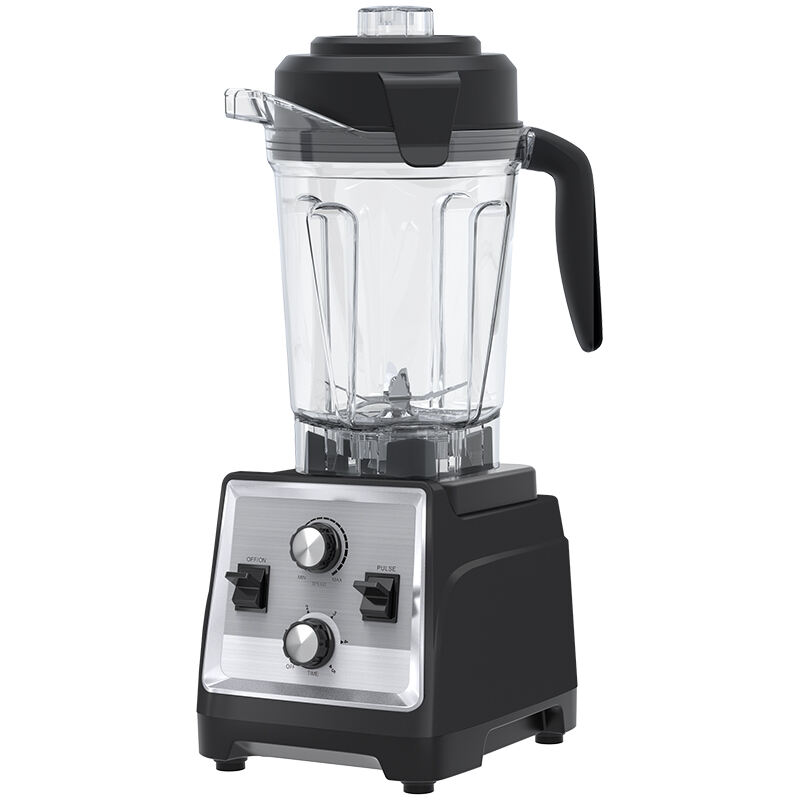
In modern food processing environments, achieving consistent results with exact specifications has become a non-negotiable requirement. Commercial kitchens, food production facilities, and research laboratories all demand equipment that delivers repeatable outcomes while maintaining tight control over processing parameters. The digital blender represents a transformative solution to these challenges, offering unprecedented accuracy in blending operations through programmable settings, real-time monitoring, and precise speed control that traditional analog equipment simply cannot match.
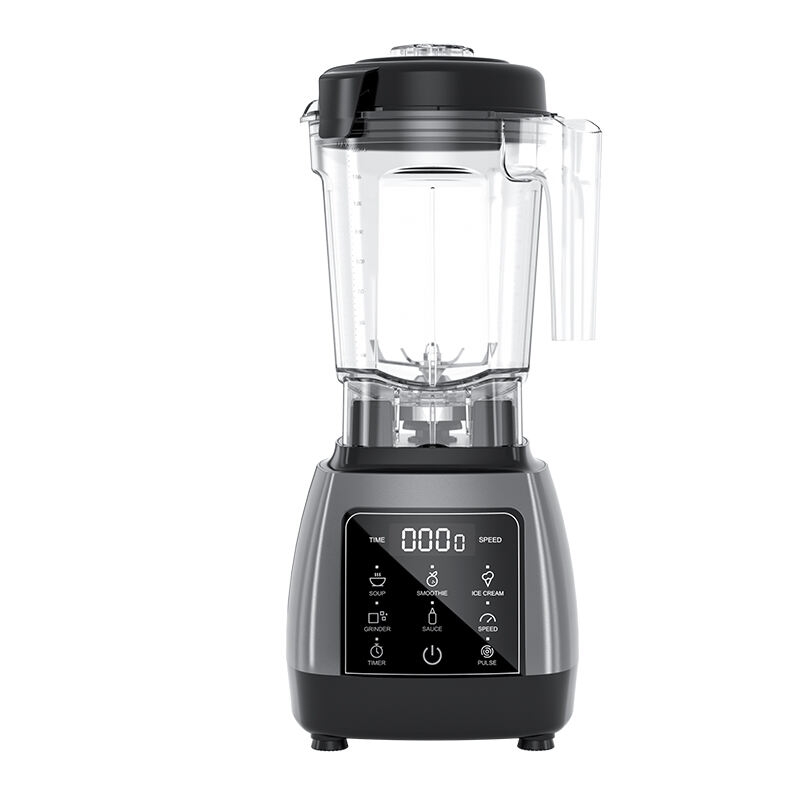
The question of why digital blenders excel in precision food processing environments stems from their fundamental design philosophy that prioritizes measurement, control, and repeatability. Unlike conventional blending equipment that relies on manual adjustment and operator judgment, these advanced machines integrate digital controls that eliminate guesswork from the processing equation. This technological evolution addresses critical pain points in food production where batch-to-batch consistency, traceability, and quality assurance determine both regulatory compliance and commercial success.
The Precision Imperative in Contemporary Food Processing
Evolution of Quality Standards in Food Manufacturing
Food processing operations have undergone dramatic transformation over recent decades as consumer expectations, regulatory frameworks, and competitive pressures have intensified demands for consistency. Manufacturing facilities now operate under stringent quality management systems that require documented proof of process control at every production stage. The digital blender emerged as a direct response to these elevated standards, providing verifiable data trails that demonstrate compliance with predetermined specifications. Traditional equipment lacks the inherent capability to record operational parameters, creating gaps in quality documentation that modern food safety protocols no longer tolerate.
Processing facilities handling specialized ingredients face particularly acute challenges when formulation accuracy determines product viability. Nutraceutical manufacturers, functional food producers, and specialty ingredient companies must maintain exact ratios of components to ensure label claims match actual content. A digital blender addresses this requirement through programmable recipes that lock in specific speed sequences, processing durations, and timing intervals. This automation removes human variables that introduce inconsistency, ensuring that every batch receives identical treatment regardless of operator experience or shift changes.
Economic Drivers Behind Precision Technology Adoption
Beyond compliance considerations, economic factors strongly favor precision blending technology in competitive food markets. Ingredient waste resulting from inconsistent processing represents a significant cost burden, particularly when working with expensive components like proteins, botanical extracts, or specialized functional additives. The Digital Blender minimizes this waste through exact process control that eliminates overprocessing, underprocessing, and the batch rejections that accompany manual operation. Facilities report material cost reductions between twelve and eighteen percent after transitioning from analog to digital blending systems.
Labor efficiency improvements provide another compelling economic justification for digital blending equipment. Operators working with conventional machines must continuously monitor processing progress, make judgment calls about completion, and adjust settings based on subjective assessment of texture and consistency. This manual approach ties up skilled personnel in repetitive monitoring tasks while introducing variation based on individual interpretation. Digital blender technology frees operators from constant supervision by automating these decisions according to predetermined parameters, allowing personnel redeployment to higher-value activities while simultaneously improving processing outcomes.
Technical Architecture Enabling Precision Performance
Digital Control Systems and Sensor Integration
The precision capabilities of modern digital blender units derive from sophisticated control architectures that integrate multiple sensor inputs with programmable logic controllers. Speed sensors provide real-time feedback on blade rotation velocity, enabling the control system to maintain exact RPM settings despite varying load conditions. Temperature sensors monitor thermal buildup during processing, triggering automatic speed adjustments or cycle pauses when thermal thresholds approach levels that might compromise ingredient integrity. This closed-loop control represents a fundamental departure from open-loop analog systems that cannot adapt to changing conditions during operation.
Advanced digital blender models incorporate torque sensing technology that detects resistance changes as ingredients blend and transform. This capability allows the control system to determine processing completion based on objective physical measurements rather than time alone. For applications like emulsion creation or particle size reduction, torque-based endpoint detection ensures consistent results regardless of initial ingredient temperature, humidity content, or batch size variations. The system recognizes when the product has reached target viscosity or particle distribution and automatically terminates processing to prevent degradation from excessive blending.
Programmable Recipe Management Infrastructure
Recipe storage and recall functionality distinguishes digital blender equipment from conventional alternatives by enabling exact replication of proven processing protocols. Operators can develop optimal blending parameters through experimentation, then save complete processing sequences including ramp rates, hold periods, speed steps, and duration settings. Subsequent production runs simply recall the stored recipe, ensuring that every batch receives identical treatment without requiring operators to remember complex sequences or consult written procedures. This capability proves particularly valuable in facilities producing multiple products where frequent changeovers would otherwise create opportunities for setup errors.
The digital architecture supporting recipe management extends beyond simple parameter storage to include access control and modification tracking. Facilities operating under Good Manufacturing Practice regulations can restrict recipe editing to authorized personnel while maintaining audit trails that document any changes to processing parameters. This governance structure prevents unauthorized modifications that might compromise product quality while creating the documentation necessary to demonstrate process control during regulatory inspections. The digital blender becomes an integral component of the quality management system rather than merely a processing tool.
Application-Specific Advantages in Precision Processing Scenarios
Particle Size Reduction with Controlled Energy Input
Applications requiring specific particle size distributions depend critically on controlled energy delivery that digital blender technology uniquely provides. Grinding operations for spices, herbs, or mineral supplements must achieve target particle ranges without generating excessive fines or leaving oversized particles that affect product functionality. Digital control enables progressive speed ramping that gradually increases blade velocity according to programmed profiles, preventing the sudden energy spikes that create inconsistent particle distributions. The system can execute complex speed sequences alternating between high-shear and low-shear zones to optimize size reduction efficiency while minimizing heat generation.
Temperature-sensitive ingredients present particular challenges during particle size reduction since mechanical energy converts to thermal energy that can degrade heat-labile compounds. A digital blender addresses this constraint through pulsed processing protocols that intersperse brief high-speed bursts with cooling intervals. The programmable timing control allows operators to optimize the duty cycle balancing processing efficiency against thermal management. This capability proves essential when processing botanical extracts, vitamins, probiotics, or other functional ingredients where thermal exposure directly impacts bioavailability and shelf stability.
Emulsion Creation Requiring Precise Shear Control
Emulsion-based products including sauces, dressings, beverages, and cosmetic formulations demand carefully controlled shear conditions to achieve stable droplet sizes and prevent phase separation. The digital blender delivers this control through programmable speed profiles that begin with gentle mixing to achieve initial dispersion, then progressively increase to high-shear conditions that reduce droplet size to target ranges. The system maintains exact speeds during critical emulsification phases, ensuring consistent energy input that produces reproducible droplet distributions. This precision directly determines emulsion stability, texture perception, and shelf life in finished products.
Multi-component emulsions incorporating both oil and water phases along with emulsifiers, stabilizers, and functional additives require sequential processing steps executed in precise order. Digital blender recipe programming accommodates these complex protocols by allowing operators to define multiple processing stages with distinct speed, duration, and temperature parameters for each phase. The automated execution eliminates the timing errors and sequencing mistakes that occur with manual operation while creating documented proof that each batch followed the validated protocol. This capability becomes essential in regulated industries where processing deviations require investigation and documentation.
Suspension Formulation With Homogeneous Distribution
Suspension products containing solid particles dispersed in liquid matrices must maintain uniform distribution without settling or agglomeration during storage. Creating stable suspensions requires sufficient energy input to overcome particle aggregation forces while avoiding excessive processing that damages particle structure or alters surface properties. The digital blender enables this delicate balance through precise speed control that delivers optimal dispersion energy. Programmable processing sequences can include initial wetting phases at moderate speeds followed by intensive dispersion stages, then conclude with gentle mixing that removes entrained air without destabilizing the suspension.
Formulations incorporating multiple solid phases with different density and particle characteristics present particular challenges for achieving homogeneous distribution. Digital blender technology addresses this complexity through multi-stage processing protocols that sequentially incorporate each solid phase under conditions optimized for that specific material. The programmable control allows development of sophisticated addition sequences where the system pauses processing at predetermined intervals for manual ingredient addition, then automatically resumes with appropriate mixing parameters. This capability eliminates the inconsistency resulting from operator judgment about when to add components or how long to process after each addition.
Operational Benefits Extending Beyond Processing Precision
Data Collection Infrastructure Supporting Process Optimization
Modern digital blender units incorporate data logging capabilities that capture complete processing histories including speeds, durations, temperatures, and power consumption for every batch. This information creates an invaluable resource for process optimization efforts by enabling statistical analysis identifying relationships between processing parameters and product attributes. Facilities can correlate blending conditions with downstream quality measurements to refine recipes and improve outcomes. The data infrastructure transforms the digital blender from a simple processing tool into a source of actionable intelligence that drives continuous improvement initiatives.
Quality troubleshooting efforts benefit substantially from the documentation trail that digital blender systems automatically generate. When product defects occur, investigators can examine processing records to determine whether the affected batches received correct treatment or experienced parameter deviations. This diagnostic capability dramatically reduces the time required to identify root causes and implement corrective actions. Without digital records, investigators must rely on operator recollection and manual logbooks that often lack the granularity necessary to detect subtle processing variations affecting product quality.
Integration Capabilities Within Automated Production Lines
Digital blender technology facilitates integration into automated production systems through communication protocols enabling equipment coordination. The blending unit can receive start commands from upstream processing equipment, execute programmed recipes without manual intervention, then signal downstream systems upon completion. This connectivity enables lights-out operation in facilities pursuing automation strategies to reduce labor costs and eliminate human error sources. The digital architecture supporting these capabilities positions blending equipment as a coordinated component within integrated manufacturing systems rather than an isolated processing station.
Production scheduling systems benefit from the predictable cycle times that digital blender equipment delivers through automated recipe execution. Unlike manual operations where processing durations vary based on operator decisions, digital systems complete recipes in consistent timeframes that enable accurate production planning. This predictability improves facility throughput by optimizing equipment utilization and reducing idle time between processing stages. The reliability of digital blender cycle times also supports just-in-time manufacturing approaches that minimize work-in-process inventory while ensuring material availability for downstream operations.
Maintenance Efficiency Through Condition Monitoring
Digital blender systems incorporate diagnostic capabilities that monitor equipment health and predict maintenance requirements before failures occur. Power consumption monitoring detects bearing wear or blade degradation that increases motor load during operation. Vibration analysis identifies imbalance conditions suggesting component loosening or damage. These condition monitoring functions enable predictive maintenance strategies that schedule repairs during planned downtime rather than responding to unexpected failures that disrupt production. The maintenance efficiency gains from predictive approaches substantially reduce both direct repair costs and the opportunity costs from unplanned equipment outages.
Service documentation benefits from the digital infrastructure that logs equipment runtime, cycle counts, and operating conditions throughout the equipment lifecycle. Maintenance personnel can access complete usage histories informing decisions about component replacement intervals and service procedures. This information proves particularly valuable when troubleshooting intermittent problems or performance degradation that occurs gradually over time. The digital blender effectively documents its own operational history, creating a maintenance intelligence system that improves reliability while reducing the expertise required from service personnel.
Strategic Considerations for Precision Blending Technology Implementation
Evaluating Process Requirements Against Equipment Capabilities
Successful digital blender implementation begins with thorough analysis of processing requirements including viscosity ranges, batch sizes, temperature constraints, and precision tolerances necessary for product quality. Not all applications require the advanced capabilities that digital systems provide, and facilities must honestly assess whether their products demand the precision that justifies the investment. Commodity products with wide specification ranges may achieve adequate quality with conventional equipment, while specialized formulations with tight tolerances clearly benefit from digital control. The evaluation process should include quantitative analysis of current quality metrics, waste rates, and process capability indices that objectively demonstrate improvement opportunities.
Equipment selection must consider both current production requirements and anticipated future needs as product portfolios evolve. Digital blender systems with expandable recipe libraries and flexible programming capabilities accommodate growth and product diversification without requiring equipment replacement. Facilities should evaluate control system flexibility, maximum programmed recipe capacity, and upgrade pathways when comparing equipment options. The investment in digital blending technology represents a long-term commitment, and selection decisions should consider five to ten year production roadmaps rather than only immediate requirements.
Personnel Training and Technology Adoption Strategy
Transitioning from conventional to digital blender technology requires thoughtful change management addressing both technical training and cultural adaptation. Operators accustomed to manual control must develop new skills in recipe programming, data interpretation, and troubleshooting automated systems. Training programs should emphasize the reasons behind precision processing requirements and the ways digital technology supports quality objectives rather than merely focusing on button-pushing procedures. When personnel understand the business value of precision blending, they become advocates for proper system utilization rather than viewing digital controls as unnecessary complexity.
Successful implementations typically employ phased adoption approaches that begin with simple recipes and gradually progress to more complex programming as operator confidence builds. Initial recipes might simply replicate existing manual procedures using basic speed and time parameters, then evolve to incorporate advanced features like ramping, pulsing, and conditional logic as users gain experience. This incremental approach prevents the overwhelm that occurs when personnel face complex systems before developing foundational competence. Facilities should designate champion users who develop deep expertise and provide peer support during the learning curve period.
Return on Investment Analysis for Precision Equipment
Justifying digital blender investments requires comprehensive financial analysis capturing both quantifiable savings and strategic benefits that resist easy measurement. Direct cost reductions from decreased ingredient waste, reduced batch rejections, and improved labor efficiency typically provide the foundation for ROI calculations. Facilities should establish baseline measurements before implementation, then track improvements in these metrics during the months following installation. Most operations report payback periods between eighteen and thirty months based solely on these direct savings, with ongoing benefits accruing throughout the equipment lifecycle.
Strategic benefits including enhanced product consistency, improved customer satisfaction, and expanded capability for precision formulations contribute substantial value that financial models often understate. The ability to produce products meeting tighter specifications can enable premium pricing or access to market segments unavailable with conventional processing capabilities. Quality improvements reducing customer complaints and returns generate savings extending beyond manufacturing into sales and customer service functions. While these benefits challenge precise quantification, they frequently determine whether digital blending technology becomes a competitive advantage or merely a cost reduction initiative.
FAQ
What makes a digital blender more precise than a traditional analog blender?
A digital blender achieves superior precision through closed-loop control systems that continuously monitor and adjust processing parameters in real-time. Unlike analog equipment relying on manual adjustment and operator judgment, digital systems use sensors measuring speed, temperature, torque, and other variables to maintain exact settings regardless of load conditions or ingredient variations. Programmable recipes store complete processing sequences eliminating human error from parameter selection and timing decisions. The combination of sensor feedback, automated control, and recipe management creates reproducible outcomes that analog equipment cannot match, particularly in applications where minor parameter variations significantly affect product quality.
Can digital blenders accommodate different batch sizes while maintaining processing consistency?
Quality digital blender systems accommodate varying batch sizes through scalable recipe programming that adjusts processing parameters based on load volume. Advanced units incorporate weight or volume sensors that detect actual batch size and automatically modify speeds, durations, and energy inputs to deliver equivalent processing intensity across different quantities. This capability allows facilities to produce small development batches and full production volumes using identical equipment while maintaining comparable product characteristics. The scalability proves particularly valuable in contract manufacturing environments or facilities producing multiple products with different volume requirements, eliminating the need for separate equipment dedicated to specific batch sizes.
How does digital control technology affect maintenance requirements compared to conventional blenders?
Digital blender systems generally reduce overall maintenance burden through condition monitoring capabilities that predict component wear before failures occur. Built-in diagnostics track power consumption, vibration patterns, and operating temperatures that indicate developing problems requiring attention. This predictive approach enables scheduled maintenance during planned downtime rather than reactive repairs following unexpected breakdowns. However, digital systems do introduce electronic components requiring specialized technical knowledge for troubleshooting and repair. Facilities should ensure access to qualified service personnel familiar with programmable controllers and sensor systems. The net effect typically favors digital equipment through improved uptime and reduced emergency repair costs despite the need for electronics expertise.
What training investment is required for operators to effectively use digital blending systems?
Operator training requirements vary based on personnel background and system complexity, but most facilities achieve basic proficiency within two to five days of structured instruction. Training should cover recipe selection and execution, parameter adjustment procedures, data interpretation, and basic troubleshooting protocols. Advanced training for recipe development and system programming typically requires an additional three to five days focused on understanding ingredient behavior, processing theory, and control logic. Facilities achieve best results with hands-on training using actual production materials rather than classroom-only approaches. Ongoing support during initial production runs helps operators develop confidence and refine techniques. While the learning investment exceeds that for conventional equipment, the improved consistency and reduced supervision requirements quickly offset training costs through operational efficiency gains.
Table of Contents
- The Precision Imperative in Contemporary Food Processing
- Technical Architecture Enabling Precision Performance
- Application-Specific Advantages in Precision Processing Scenarios
- Operational Benefits Extending Beyond Processing Precision
- Strategic Considerations for Precision Blending Technology Implementation
-
FAQ
- What makes a digital blender more precise than a traditional analog blender?
- Can digital blenders accommodate different batch sizes while maintaining processing consistency?
- How does digital control technology affect maintenance requirements compared to conventional blenders?
- What training investment is required for operators to effectively use digital blending systems?