 Zhongshan city HaiShang Electric Appliances Co,. Ltd
 EN
EN



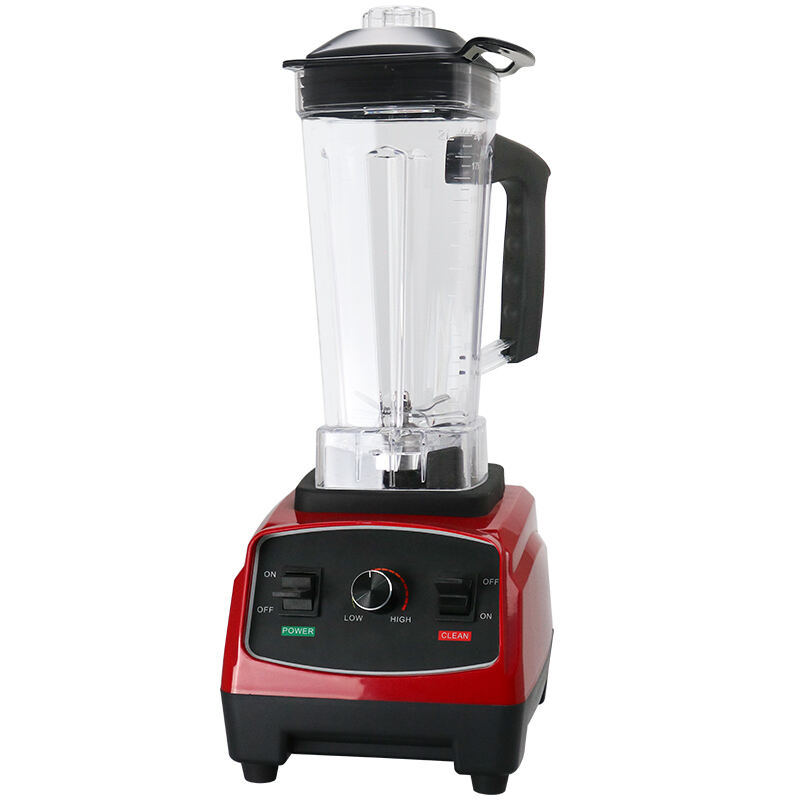
Selecting the right mechanical blender for your commercial kitchen, laboratory, or industrial operation requires understanding which features truly impact performance, durability, and return on investment. Unlike consumer-grade appliances, a mechanical blender designed for professional environments must withstand continuous operation, handle diverse ingredients with varying viscosities, and deliver consistent results across thousands of cycles. The difference between a purchase that serves your operation for years and one that requires premature replacement often comes down to evaluating the right technical specifications and construction qualities before making your investment.
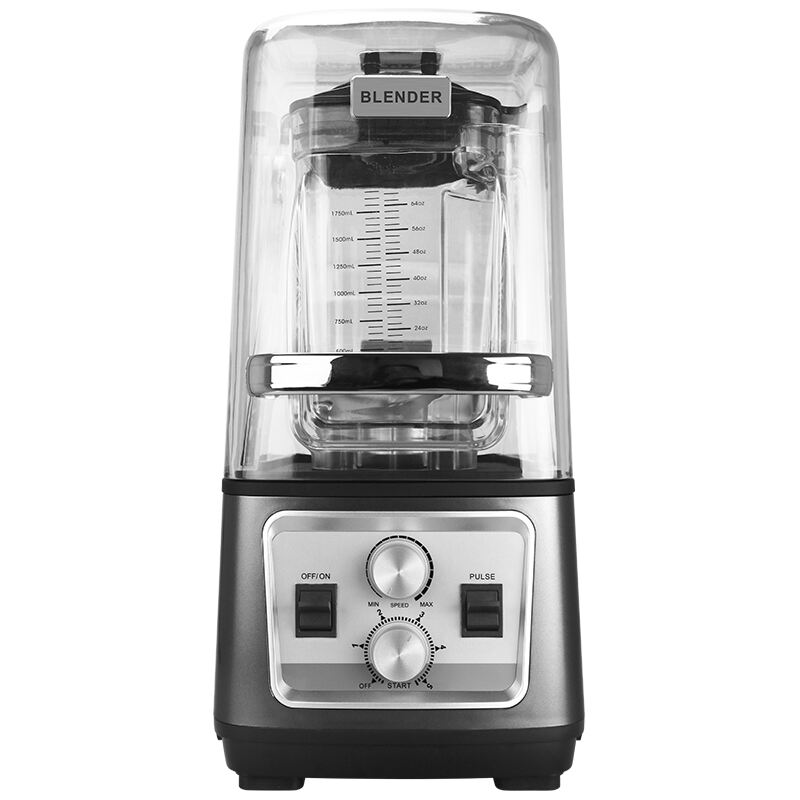
When purchasing a mechanical blender, decision-makers must balance immediate budget constraints against long-term operational efficiency. The features that matter most depend heavily on your specific application, whether you are blending smoothies in a high-volume café, emulsifying pharmaceutical compounds in a laboratory, processing industrial food batches, or creating cosmetic formulations. This article examines the critical features that define a quality mechanical blender, explains how each specification translates to real-world performance, and provides practical guidance on matching equipment capabilities to your operational requirements.
Motor Power and Performance Specifications
Understanding Wattage Requirements for Your Application
Motor power represents the foundational capability of any mechanical blender, directly influencing its ability to process tough ingredients and maintain consistent performance under load. Commercial mechanical blender units typically range from 1000 watts for light-duty applications to over 3000 watts for heavy industrial use. The appropriate wattage depends on the density and resistance of materials you plan to process regularly. A mechanical blender handling fibrous vegetables, frozen fruits, or dense nut butters requires substantially more power than one primarily used for liquid smoothies or simple mixing tasks.
Peak horsepower ratings, often used in marketing materials, can mislead buyers if not properly understood. What matters for sustained operation is continuous duty power rather than momentary peak output. A quality mechanical blender should specify its continuous operating power, which indicates the motor can maintain that output indefinitely without overheating or performance degradation. For commercial kitchens processing 50 or more servings daily, look for continuous power ratings of at least 1500 watts to ensure reliable performance throughout service periods.
Motor efficiency also affects operating costs and equipment longevity. Modern mechanical blender motors with higher efficiency ratings convert more electrical energy into mechanical work rather than waste heat. This translates to lower electricity consumption and reduced thermal stress on internal components. When comparing models, inquire about motor efficiency ratings and thermal protection features that prevent damage from prolonged use or electrical anomalies.
Speed Control and RPM Range Considerations
Variable speed control distinguishes professional mechanical blender equipment from single-speed consumer models. The ability to adjust rotation speed allows operators to optimize blending for different ingredients and desired textures. Low speeds work best for incorporating ingredients without excessive aeration, while high speeds create smooth purees and break down fibrous materials. A mechanical blender with at least three distinct speed settings provides basic versatility, though models offering continuous variable control or six or more preset speeds deliver superior operational flexibility.
The RPM range specification indicates the blade rotation speed at minimum and maximum settings. Entry-level mechanical blender units may operate between 10,000 and 20,000 RPM, which suffices for basic blending tasks. Professional models often reach 25,000 to 35,000 RPM at top speed, generating the blade velocity necessary to pulverize tough ingredients and create ultra-smooth textures. However, maximum speed alone does not guarantee better results. The motor must deliver adequate torque at all speed levels to prevent bogging down when resistance increases.
Pulse functionality represents another valuable speed control feature. The pulse mode allows brief bursts of maximum power, giving operators precise control when chopping ingredients or breaking up frozen material. This feature proves particularly useful in preventing over-processing while ensuring complete blending. When evaluating a mechanical blender, test the pulse responsiveness and verify that the motor accelerates and decelerates quickly without lag.
Container Design and Material Quality
Jar Capacity and Shape Engineering
The blending container directly influences processing efficiency, batch size capability, and cleaning requirements. Commercial mechanical blender containers typically range from 32 ounces for single-serving applications to two gallons or more for batch processing. Capacity selection should account for your typical serving sizes while considering that most mechanical blender units perform best when filled between one-third and two-thirds of total capacity. Overfilling restricts ingredient movement and reduces blending effectiveness, while underfilling may cause ingredients to splash rather than circulate properly.
Container shape affects blending dynamics more significantly than many buyers realize. Square or ribbed containers create turbulence patterns that help ingredients circulate back toward the blade assembly rather than spinning around the perimeter. A well-designed mechanical blender jar includes internal geometry that redirects material downward and inward, minimizing dead zones where ingredients escape the blending vortex. Tapered bases concentrate ingredients near the blades during initial processing, particularly important when working with small batches.
Jar compatibility with the base unit may seem obvious but deserves verification. Some mechanical blender models accept only proprietary containers, while others work with standard jar thread patterns that allow replacement from multiple suppliers. Proprietary systems may offer better sealing and stability but can create supply chain dependencies. Additionally, verify whether the model accommodates multiple container sizes on the same base, allowing you to switch between small-batch and large-batch processing without purchasing separate equipment.
Material Durability and Safety Compliance
Container material selection involves balancing durability, safety, weight, and cost considerations. Polycarbonate plastic containers dominated commercial mechanical blender applications for years due to their impact resistance and clarity, but health concerns regarding BPA prompted many facilities to seek alternatives. Modern options include Tritan copolyester, which offers comparable durability without BPA, and stainless steel containers that provide superior durability and thermal properties while sacrificing visibility.
Glass containers, though heavy and prone to breakage, remain preferred in some laboratory and pharmaceutical applications where chemical resistance and non-reactive properties are paramount. When selecting a Mechanical Blender with glass containers, verify that the glass is tempered or borosilicate grade capable of withstanding thermal shock and mechanical stress. Container walls should be adequately thick to prevent cracking under normal operating conditions.
Food-contact surface certifications ensure that container materials meet safety standards for their intended application. For food service operations, verify that all container materials comply with FDA food-contact regulations and, where applicable, NSF certification standards. Laboratory and pharmaceutical applications may require additional certifications such as USP Class VI compliance. Reputable mechanical blender manufacturers clearly document material certifications in product specifications and can provide supporting documentation upon request.
Blade Assembly and Cutting System Design
Blade Configuration and Material Composition
The blade assembly represents the mechanical blender component that directly contacts and processes ingredients, making its design and construction quality critical to performance. Professional-grade blade assemblies typically feature four to eight cutting surfaces arranged at specific angles to create optimal flow patterns. Two-pronged designs, common in older or budget models, lack the processing efficiency of modern multi-blade configurations. The number of blades matters less than their geometric arrangement and the precision of their manufacturing.
Blade material affects both cutting performance and longevity. Stainless steel blades, particularly those made from high-grade alloys such as 301 or 304 stainless, resist corrosion while maintaining sharp edges through thousands of cycles. Some mechanical blender models feature hardened or titanium-coated blades that further extend edge retention, though these premium options command higher initial costs. Regardless of material grade, blade edges should be precisely ground and finished to minimize initial dulling and ensure consistent cutting action.
The blade assembly must attach securely to the drive mechanism while remaining removable for cleaning and maintenance. Threaded connections should engage smoothly without cross-threading and seal properly to prevent leakage. Blade assemblies with sealed bearing systems prevent ingredient contamination of the drive shaft while protecting internal components from moisture. When evaluating a mechanical blender, physically test the blade assembly attachment process to verify it feels solid and secure without requiring excessive force.
Cutting Efficiency and Self-Cleaning Properties
Effective blade design creates flow patterns that continuously move ingredients through the cutting zone rather than allowing material to bypass the blades. Blade angles typically range from 15 to 45 degrees relative to the horizontal plane, with steeper angles providing more aggressive cutting action. A quality mechanical blender employs multiple blade angles within a single assembly, creating varied flow patterns that prevent ingredients from settling into stable circulation paths that avoid the cutting edges.
The gap between blade tips and container walls significantly affects processing efficiency and cleaning difficulty. Excessive clearance allows ingredients to pass around the blades without adequate processing, while insufficient clearance can cause binding or premature wear. Optimal clearance for most mechanical blender applications falls between two and four millimeters. This specification rarely appears in product literature but can be measured during equipment demonstrations or requested from manufacturers.
Self-cleaning capability reduces labor requirements and improves hygiene compliance. A mechanical blender with properly designed blade geometry creates sufficient turbulence and flow velocity to dislodge and suspend most ingredient residue during a simple water rinse cycle. Many commercial operators can achieve adequate cleaning by running the mechanical blender at high speed with warm water and a small amount of dish soap for 30 to 60 seconds. Models requiring disassembly and manual scrubbing for routine cleaning impose higher labor costs and increase the risk of incomplete sanitation.
Construction Quality and Operational Reliability
Base Unit Durability and Stability Features
The base unit housing protects internal components while providing the mechanical blender with stability during operation. Die-cast metal bases offer superior durability and vibration damping compared to plastic housings, though they add weight and cost. The base should feel substantial and rigid, with no flexing when moderate pressure is applied to the motor housing. Thin-gauge plastic housings may survive light duty use but typically fail prematurely in commercial environments where equipment endures multiple daily cycles and occasional impacts.
Vibration control directly affects operator comfort, noise levels, and equipment longevity. High-quality mechanical blender models incorporate rubber or silicone foot pads that absorb vibration and prevent the unit from walking across work surfaces during operation. The drive coupling between motor and blade assembly should include vibration-damping elements that prevent harmonic resonance from developing. Excessive vibration accelerates wear on bearings, seals, and electrical connections while creating noise that may violate workplace sound level regulations.
Control interfaces must withstand the demanding conditions of commercial kitchens or industrial environments. Mechanical switches, while simple and reliable, can accumulate debris and eventually fail from contact wear. Electronic controls with membrane keypads or touch-sensitive surfaces resist moisture and contamination better but may be vulnerable to electrical surges or electromagnetic interference. The ideal mechanical blender control system balances intuitive operation with durability appropriate to the operating environment. Controls should provide clear feedback and remain responsive throughout the equipment's service life.
Thermal Management and Safety Systems
Continuous operation generates significant heat within the mechanical blender motor and drive components. Inadequate thermal management leads to premature component failure, reduced performance consistency, and potential safety hazards. Quality mechanical blender designs incorporate adequate ventilation pathways that allow cooling air to circulate around the motor windings and drive electronics. Some models include thermostatically controlled cooling fans that activate when internal temperatures reach predetermined thresholds.
Thermal cutoff protection prevents motor damage from overload conditions or cooling system failures. This safety feature automatically interrupts power when internal temperatures exceed safe operating limits, allowing the mechanical blender to cool before operation can resume. While thermal cutoff activation indicates the equipment is working beyond its design parameters, the protection system prevents catastrophic failure that would otherwise require expensive repairs or complete replacement. Verify that prospective mechanical blender models include resettable thermal protection rather than one-time thermal fuses that require service intervention.
Electrical safety certifications provide assurance that the mechanical blender meets established safety standards for its intended market. For North American operations, look for UL or ETL listings that verify the equipment has undergone independent safety testing. European markets require CE marking, while other regions may mandate local certifications. Beyond basic electrical safety, some mechanical blender applications benefit from additional protections such as GFCI compatibility for wet environments or explosion-proof certifications for facilities handling flammable materials.
Maintenance Accessibility and Long-Term Support
Serviceability and Component Replacement
Equipment longevity depends substantially on how easily the mechanical blender can be maintained and repaired. Consumer-grade blenders typically employ sealed construction that prevents user maintenance, requiring complete replacement when any component fails. Commercial and industrial mechanical blender equipment should feature modular construction that allows replacement of wear items such as drive couplings, seals, bearings, and blade assemblies without specialized tools or factory service. This design philosophy reduces downtime and extends equipment service life by allowing preventive replacement of components before catastrophic failure occurs.
Parts availability represents a critical yet often overlooked consideration when purchasing a mechanical blender. Equipment from established manufacturers typically benefits from extensive parts distribution networks and long-term component availability commitments. Obscure brands or discontinued models may leave you unable to source replacement parts within reasonable timeframes, effectively totaling the equipment despite otherwise sound condition. Before finalizing a mechanical blender purchase, research the manufacturer's parts support policies and verify that critical wear items are currently in stock and available for immediate shipment.
Maintenance documentation quality affects how successfully your staff can perform routine service and troubleshoot problems. Comprehensive operator manuals should include exploded parts diagrams, maintenance schedules with specific intervals, lubrication specifications, and systematic troubleshooting procedures. Video tutorials and online technical resources supplement printed documentation and provide valuable support for less experienced personnel. A mechanical blender manufacturer that invests in quality support materials demonstrates commitment to customer success beyond the initial sale.
Warranty Coverage and Manufacturer Support
Warranty terms reveal manufacturer confidence in their mechanical blender construction quality and provide financial protection against premature failures. Commercial equipment warranties typically range from one to three years for parts and labor, though motor assemblies may carry extended coverage of five to seven years. Read warranty terms carefully to understand what failures are covered, what maintenance requirements must be met to preserve coverage, and what exclusions apply. Some warranties cover only manufacturing defects while excluding wear items, significantly limiting practical value.
Technical support responsiveness becomes critical when equipment problems interrupt operations. Evaluate prospective mechanical blender suppliers based on their support infrastructure, including phone support hours, response time commitments, and the technical expertise of support personnel. Manufacturers offering direct support typically provide more knowledgeable assistance than those relying on third-party service networks. For operations where equipment downtime directly impacts revenue, consider models backed by rapid replacement programs or loaner equipment provisions that minimize business interruption.
Total cost of ownership extends beyond the initial purchase price to encompass maintenance supplies, replacement parts, energy consumption, and eventual replacement costs. A mechanical blender with a higher purchase price but superior durability, energy efficiency, and parts support often delivers better long-term value than cheaper alternatives requiring frequent repairs or premature replacement. When comparing options, request lifecycle cost projections based on expected usage patterns and typical component replacement intervals to make more informed financial decisions.
FAQ
What motor power rating should I choose for a commercial kitchen mechanical blender?
For commercial kitchens processing 30 to 100 servings daily, select a mechanical blender with continuous power ratings between 1500 and 2200 watts. This range provides sufficient torque for dense ingredients like frozen fruit and nut butters while maintaining performance consistency during extended service periods. Light-duty operations such as protein shake bars may function adequately with 1000 to 1500 watts, while high-volume smoothie operations or those frequently processing ice and frozen ingredients benefit from 2200 watts or higher. Avoid confusing peak horsepower claims with continuous operating power, as only the latter indicates sustained capability.
How important is blade material quality in a mechanical blender?
Blade material directly affects cutting performance longevity and sanitation effectiveness. High-grade stainless steel blades maintain sharp edges through thousands of blending cycles, whereas lower-quality materials dull quickly and require frequent sharpening or replacement. Stainless steel also resists corrosion from acidic ingredients and sanitizing chemicals, critical factors for food safety compliance. For mechanical blender applications involving particularly abrasive ingredients or extremely high-volume operations, consider models with hardened or coated blades that provide extended edge retention, though standard high-grade stainless proves adequate for most commercial uses.
Can I use the same mechanical blender for hot and cold ingredients?
This depends entirely on the specific mechanical blender model specifications and container material. Some mechanical blender units explicitly allow hot ingredient processing up to specified temperatures, typically between 160 and 180 degrees Fahrenheit, while others restrict use to room temperature or cold ingredients only. Container material becomes critical for hot applications, as not all plastics withstand elevated temperatures without warping or releasing chemicals. If your operation requires hot blending capability, select a mechanical blender explicitly rated for thermal processing with containers made from borosilicate glass or temperature-resistant plastics, and verify that seals and gaskets also tolerate the intended temperature range.
What container capacity is most versatile for varying batch sizes?
A mechanical blender with a 64-ounce container provides optimal versatility for most commercial applications, effectively processing batches from 16 ounces to 48 ounces. This capacity handles individual servings when needed while accommodating small batch production without requiring separate equipment. Operations with widely varying batch requirements benefit from purchasing a mechanical blender base compatible with multiple container sizes, allowing quick changes between a 32-ounce container for single servings and a one-gallon container for batch processing. Avoid selecting capacity based solely on maximum needs, as mechanical blender performance degrades significantly when containers are consistently underfilled below one-third capacity.