 Zhongshan city HaiShang Electric Appliances Co,. Ltd
 EN
EN



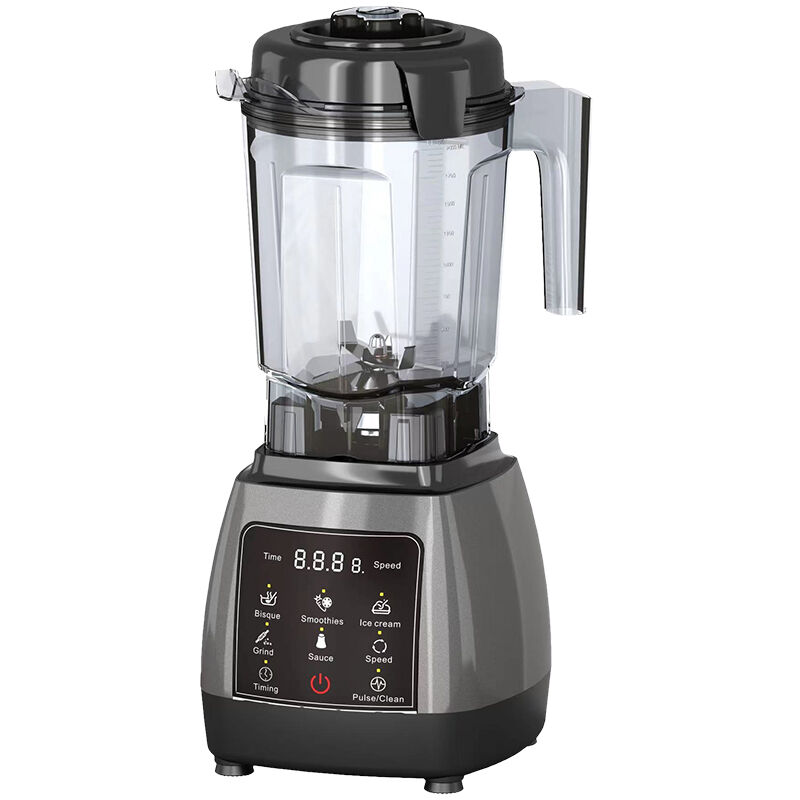
Choosing the right Soundproof Blender for a commercial or professional kitchen is not as straightforward as it might seem. The market is filled with options that claim to offer quiet operation, but many of them compromise on the motor strength, blade durability, or overall build quality needed to handle demanding blending tasks. If you run a café, juice bar, hotel kitchen, or any food service environment where noise management matters, making the wrong choice means either tolerating disruptive sound levels or accepting frustratingly slow, underpowered results.
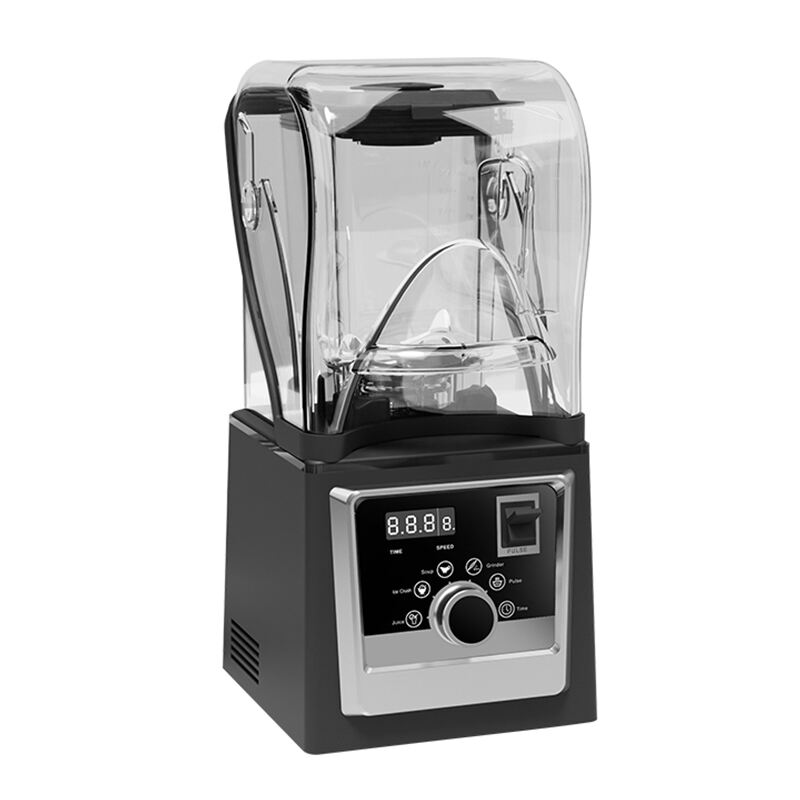
The good news is that a well-engineered Soundproof Blender does not require you to make that trade-off. Modern engineering has made it possible to achieve both low noise output and serious blending power in a single unit. However, finding the right model demands that you know exactly what specifications, design features, and operational characteristics to evaluate. This guide walks you through the full selection process so you can invest with confidence and clarity.
Understanding What Makes a Soundproof Blender Truly Quiet
The Role of the Enclosure Design
The most defining feature of any Soundproof Blender is its sound enclosure, often called a sound shield or acoustic cover. This component surrounds the blending jar while the unit is in operation and acts as a physical barrier that absorbs and deflects motor and blade noise. The material density, fit tolerance, and sealing mechanism of this enclosure directly determine how many decibels are reduced during operation.
High-quality enclosures are typically constructed from dense polycarbonate or ABS composite materials with internal acoustic lining. A loose-fitting or thin enclosure will allow significant sound to escape, making the noise reduction claims unreliable. When evaluating a Soundproof Blender, always check whether the enclosure sits flush with the base and whether it uses a locking mechanism to create a proper seal. Any gap between the cover and base effectively invalidates the acoustic design.
The shape of the enclosure also matters. Rounded interior surfaces help scatter and absorb sound waves rather than allowing them to reflect back outward. A well-designed Soundproof Blender uses geometry as much as material selection to achieve its noise reduction targets. This is a detail that many buyers overlook, but it becomes obvious when comparing actual operational noise levels side by side.
Motor Placement and Vibration Dampening
Another critical factor in noise reduction is how well the motor and drive assembly are isolated from the outer chassis. In poorly designed units, the vibration generated by a high-speed motor transmits directly through the base into the countertop, amplifying perceived noise through structural resonance. A premium Soundproof Blender addresses this with rubber isolation mounts, anti-vibration feet, and internal motor suspension systems.
Motor placement within the base housing also plays a role. Units where the motor is centered and balanced with precision-engineered clearances generate less mechanical vibration than those with looser tolerances. When the motor spins at 20,000 to 30,000 RPM, even minor imbalances create noticeable vibration and sound. Asking the supplier or reviewing technical specifications for information about vibration dampening systems is a smart step in the evaluation process.
Evaluating Blending Power Without Compromise
Motor Wattage and What It Actually Means
One of the most common misconceptions when shopping for a Soundproof Blender is that noise reduction always comes at the expense of motor power. This assumption has led many buyers to accept underpowered units that struggle with ice, frozen fruits, nuts, and fibrous vegetables. The reality is that motor wattage and noise level are engineering challenges that can be addressed independently with the right design approach.
For commercial use, a Soundproof Blender should ideally deliver a motor output of at least 1,200 watts, with higher-end models reaching 2,000 watts or more. This level of power ensures consistent blending results even when processing dense, cold, or fibrous ingredients multiple times per hour. A lower-wattage unit may appear quieter simply because it is working less efficiently, which is not a genuine acoustic achievement but rather a performance limitation in disguise.
Always verify whether the stated wattage represents peak output or continuous operational wattage. Peak wattage is measured in brief burst conditions and does not reflect sustained blending capability. Continuous wattage is the figure that matters for real-world, high-volume blending environments. A reliable Soundproof Blender supplier will be transparent about both figures.
Blade Quality and Speed Control Systems
Blade quality is often underestimated as a power-related specification, but it has a direct impact on both performance and noise levels. Stainless steel blades with precision-ground edges and proper curvature move through ingredients more efficiently, requiring less motor strain and generating less turbulence-related noise inside the jar. When blades are dull or improperly angled, the motor must work harder, which increases both energy consumption and sound output.
Variable speed control systems are another feature worth prioritizing. A Soundproof Blender equipped with multiple speed settings and a pulse function allows operators to match the motor intensity to the specific task. Blending soft fruits at high speed is unnecessary and noisy; using a mid-range speed setting achieves the same texture with significantly less acoustic impact. This kind of intelligent speed management extends both the operational life of the unit and the comfort of the working environment.
Key Specifications to Compare Before Buying
Noise Output Ratings and Testing Standards
When comparing a Soundproof Blender across different models or suppliers, decibel ratings are your most objective metric. Most quality commercial units operate in the range of 60 to 75 dB with the enclosure in place, compared to 85 to 100 dB for standard open blenders. However, decibel ratings should be viewed critically. Always ask at what distance the measurement was taken and under what load conditions, since measuring at two meters with water in the jar will produce very different results than measuring at one meter while blending ice.
Reputable manufacturers will test their Soundproof Blender products under standardized conditions and make those test parameters available upon request. Unverified claims printed on product sheets without methodology backing are a red flag. Whenever possible, request a live demonstration or review verified third-party test data before committing to a large purchase order.
Jar Capacity and Material Considerations
The capacity of the blending jar directly affects how well the unit serves your operation. A Soundproof Blender intended for a high-volume commercial environment should offer a jar capacity of at least 2 liters, with some premium models offering 2.5-liter options. Smaller jars require more frequent batching, which increases operating time and, consequently, total noise exposure throughout the day.
Jar material is another important variable. Tritan copolyester and borosilicate glass are both popular choices in commercial-grade units. Tritan is lightweight, shatter-resistant, and does not absorb odors, making it practical for busy kitchens. Glass offers superior clarity and a premium feel but adds weight and breakage risk. In either case, the jar should fit precisely within the enclosure design of the Soundproof Blender, as even minor mismatches between jar shape and enclosure geometry will increase noise leakage during operation.
Practical Considerations for Commercial Use
Ease of Cleaning and Maintenance
In a fast-paced commercial kitchen, ease of cleaning is not a luxury feature — it is a fundamental operational requirement. A Soundproof Blender that is difficult to disassemble, clean, and reassemble will create hygiene risks and slow down service. Look for units where the sound enclosure can be wiped down quickly with standard food-safe cleaning solutions, and where the jar assembly separates from the blade base for thorough rinsing or dishwasher cleaning.
Self-cleaning programs, where available, are a significant time-saving feature for busy operations. These programs run a combination of water and a small amount of cleaning solution through the blade assembly at a set speed cycle, reducing manual scrubbing. Maintenance schedules for the motor and blade assembly should also be clearly outlined by the manufacturer, including recommended service intervals and available replacement parts.
Build Durability and Warranty Support
A commercial Soundproof Blender is a capital investment, and durability should factor heavily into the purchase decision. Units intended for multiple daily cycles over several years require robust construction at every component level — from the motor brushes to the enclosure hinges to the control panel interface. Check whether the unit's base is constructed from stainless steel or high-grade ABS, whether internal components are rated for continuous-duty cycles, and whether the blade coupling is reinforced against the torque of a high-wattage motor.
Warranty terms are a reliable signal of manufacturer confidence in their product. A Soundproof Blender backed by a two-year or longer commercial warranty, with clear terms for parts and labor coverage, demonstrates that the manufacturer stands behind the engineering. Be cautious of products with minimal warranty periods or unclear exclusions, as these often reflect uncertainty about component longevity in real operating conditions.
FAQ
What decibel level should a commercial Soundproof Blender operate at?
A good commercial Soundproof Blender should operate at approximately 60 to 75 dB with the sound enclosure properly closed. This is comparable to normal conversational speech and is generally considered acceptable in open-plan café or restaurant environments. Anything above 80 dB with the enclosure closed suggests either a design deficiency or that the enclosure is not sealing correctly.
Can a Soundproof Blender handle the same tasks as a standard commercial blender?
Yes, a properly engineered Soundproof Blender with an adequate motor — typically 1,200 watts or above — can handle the same range of tasks as a standard commercial blender, including ice crushing, nut blending, frozen smoothies, and hot soup processing. The sound enclosure does not limit ingredient capacity or blade performance when the unit is correctly designed and the jar fits the enclosure precisely.
How often does the blade assembly of a Soundproof Blender need to be replaced?
Blade replacement frequency depends on usage volume and the types of ingredients processed regularly. In a high-volume operation blending abrasive ingredients such as ice or frozen fruit multiple times per day, blade assemblies typically require inspection every six to twelve months. A quality Soundproof Blender manufacturer will specify recommended replacement intervals and offer genuine replacement parts to ensure continued safe and efficient operation.
Is the sound enclosure of a Soundproof Blender easy to replace if damaged?
For most commercial-grade Soundproof Blender models, the sound enclosure is a separately replaceable component. It is advisable to confirm availability of spare enclosures with your supplier before purchasing, especially if the unit will be used in a high-traffic environment where accidental impacts could cause cracking or hinge damage. Maintaining a spare enclosure on hand minimizes operational downtime in the event of damage.
Table of Contents
- Understanding What Makes a Soundproof Blender Truly Quiet
- Evaluating Blending Power Without Compromise
- Key Specifications to Compare Before Buying
- Practical Considerations for Commercial Use
-
FAQ
- What decibel level should a commercial Soundproof Blender operate at?
- Can a Soundproof Blender handle the same tasks as a standard commercial blender?
- How often does the blade assembly of a Soundproof Blender need to be replaced?
- Is the sound enclosure of a Soundproof Blender easy to replace if damaged?