 Zhongshan city HaiShang Electric Appliances Co,. Ltd
 EN
EN



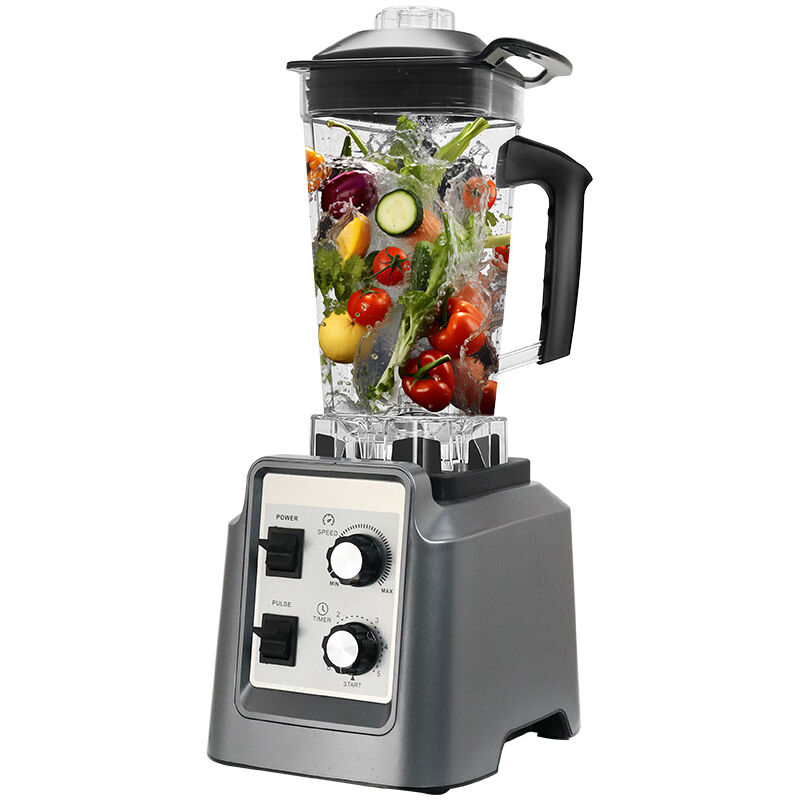
Modern kitchens have evolved significantly, and the food blender has become an indispensable appliance for health-conscious individuals and culinary enthusiasts alike. From creating nutritious smoothies to preparing elaborate sauces and soups, a quality food blender opens up endless possibilities for daily meal preparation. Understanding the full potential of your kitchen companion can transform your cooking routine and help you maintain a balanced, varied diet with minimal effort and maximum flavor.
Morning Beverages and Breakfast Preparations
Nutritious Smoothies and Protein Shakes
Starting your day with a nutrient-packed smoothie is one of the most popular uses for a food blender. These versatile appliances can effortlessly combine fruits, vegetables, protein powders, and liquids to create satisfying breakfast beverages. Whether you prefer tropical mango-pineapple combinations or antioxidant-rich berry blends, your blender can handle frozen fruits, leafy greens, and various supplements with ease. The key to perfect smoothies lies in layering ingredients properly, with liquids at the bottom followed by softer fruits and harder ingredients on top.
Protein shakes represent another excellent morning option, particularly for fitness enthusiasts and busy professionals. A high-quality food blender can incorporate protein powders, nut butters, oats, and milk alternatives without leaving lumps or grittiness. Adding ingredients like chia seeds, flaxseed meal, or spirulina powder can boost nutritional content while maintaining smooth texture and pleasant taste profiles.
Fresh Fruit and Vegetable Juices
While traditional juicers separate pulp from liquid, powerful blenders can create whole-food juices that retain valuable fiber content. Green juices combining spinach, cucumber, celery, and apple provide concentrated nutrition in easily digestible form. The fiber retention helps stabilize blood sugar levels compared to traditional juicing methods, making blended juices a healthier breakfast option.
Vegetable-based breakfast drinks offer unique flavor profiles and exceptional nutritional density. Combinations featuring carrots, beets, ginger, and citrus fruits create energizing morning beverages that support immune function and digestive health. The natural sweetness of root vegetables balances the earthiness of leafy greens, resulting in palatable and nutritious breakfast drinks.
Lunch and Dinner Preparation Solutions
Soups and Purees
Transforming cooked vegetables into silky smooth soups represents one of the most satisfying applications for kitchen blenders. Roasted tomato soup, butternut squash puree, and cream-based vegetable soups achieve restaurant-quality consistency when prepared with powerful blending equipment. The ability to control texture from chunky to completely smooth allows for personalized soup preferences and dietary accommodations.
Cold soups like gazpacho showcase the versatility of food blender technology during warmer months. Fresh vegetables, herbs, and seasonings blend together to create refreshing meals that require no cooking. These raw preparations preserve maximum nutritional content while offering sophisticated flavor combinations that rival expensive restaurant dishes.
Sauces and Dressings
Homemade sauces and salad dressings become incredibly simple when you have a reliable blending system. Pesto sauce combining fresh basil, garlic, pine nuts, and olive oil achieves perfect consistency in seconds. Tahini-based dressings, cashew cream sauces, and herb-infused vinaigrettes can be prepared fresh daily, eliminating preservatives and artificial additives found in commercial products.
Nut-based sauces offer dairy-free alternatives for various dietary preferences and restrictions. Cashew alfredo, almond-based cheese sauces, and coconut curry bases provide rich, creamy textures without traditional dairy ingredients. These preparations demonstrate how modern food blenders can accommodate diverse nutritional needs while maintaining exceptional taste and texture quality.
Snacks and Dessert Creations
Healthy Energy Balls and Bars
Creating energy-dense snacks becomes effortless with proper blending techniques. Date-based energy balls combining nuts, seeds, and superfoods provide sustained energy throughout busy days. The food blender can process sticky dates and hard nuts into cohesive mixtures that hold together naturally without artificial binding agents.
Homemade protein bars offer cost-effective alternatives to expensive commercial products while allowing complete control over ingredients and flavoring. Combinations of oats, nut butters, protein powder, and dried fruits create satisfying snacks that support fitness goals and dietary preferences. The ability to customize sweetness levels and add functional ingredients like probiotics or adaptogens makes homemade bars superior to store-bought options.
Frozen Treats and Ice Creams
Frozen fruit-based desserts represent healthier alternatives to traditional ice creams while satisfying sweet cravings naturally. Banana-based nice cream requires only frozen bananas and creative add-ins like cocoa powder, vanilla extract, or berry purees. The natural sweetness and creamy texture rival traditional frozen desserts without added sugars or artificial ingredients.
Sorbet preparations using seasonal fruits provide refreshing dessert options throughout the year. Mango sorbet, berry medleys, and citrus-based frozen treats can be prepared in minutes and stored for future enjoyment. The intense fruit flavors and smooth textures achieved through proper blending techniques create restaurant-quality desserts at home.
Specialty Preparations and Advanced Techniques
Nut Milks and Plant-Based Alternatives
Creating fresh nut milks at home ensures optimal flavor and nutritional content while eliminating preservatives and stabilizers found in commercial products. Almond milk, cashew milk, and oat milk preparations require only soaked nuts or grains, water, and optional flavorings. The straining process removes pulp, resulting in smooth, creamy beverages perfect for cereals, coffee, or direct consumption.
Specialty milk alternatives using hemp seeds, macadamia nuts, or coconut flesh provide unique flavor profiles and nutritional benefits. These preparations often require less soaking time than traditional nuts, making them convenient options for spontaneous meal preparation. The ability to control sweetness, consistency, and flavoring makes homemade plant milks superior to commercial alternatives.
Baby Food and Purees
Parents preparing homemade baby food benefit significantly from powerful blending capabilities that ensure smooth, consistent textures appropriate for different developmental stages. Single-ingredient purees allow for careful introduction of new foods while monitoring potential allergic reactions. The food blender can process steamed vegetables, fruits, and grains into perfectly smooth consistencies without lumps or chunks that might pose choking hazards.
Combination purees featuring multiple ingredients help develop complex flavor preferences while providing balanced nutrition. Sweet potato and apple combinations, vegetable medleys with mild herbs, and fruit blends with yogurt create varied meal options that support healthy eating habits from early ages. The ability to prepare fresh batches regularly ensures optimal nutritional content and eliminates concerns about preservatives or additives.
FAQ
How often should I clean my food blender between different recipes?
You should thoroughly clean your food blender between different recipe types, especially when switching from savory to sweet preparations or when working with strong flavors like garlic or herbs. For similar recipes prepared consecutively, a quick rinse with warm water may suffice, but deep cleaning with dish soap ensures optimal performance and prevents flavor transfer between different food categories.
Can I use my food blender to grind coffee beans or spices?
While many food blenders can handle coffee beans and whole spices, this practice may dull the blades over time and potentially damage the motor with frequent use. Dedicated spice grinders or coffee grinders provide better results and preserve your blender for its primary food preparation functions. If you occasionally grind small amounts of soft spices, ensure your blender has sufficient power and use pulse functions to prevent overheating.
What ingredients should I avoid putting in my food blender?
Avoid processing extremely hard items like ice cubes larger than your manual recommends, whole nutmeg, cinnamon sticks, or frozen foods without adequate liquid. Hot liquids above 140°F can create dangerous pressure buildup and should be cooled before blending. Additionally, avoid overfilling the container and never blend carbonated liquids, as pressure buildup can cause the lid to pop off unexpectedly.
How can I achieve the smoothest texture when making nut-based sauces or milks?
For the smoothest results with nuts, soak them in warm water for 2-8 hours depending on hardness, then drain and rinse before blending. Start blending with minimal liquid and gradually add more while the motor runs. Blend for longer periods, stopping occasionally to scrape sides, and consider straining the final product through fine mesh or cheesecloth for ultra-smooth consistency in milk preparations.