 Zhongshan city HaiShang Electric Appliances Co,. Ltd
 EN
EN



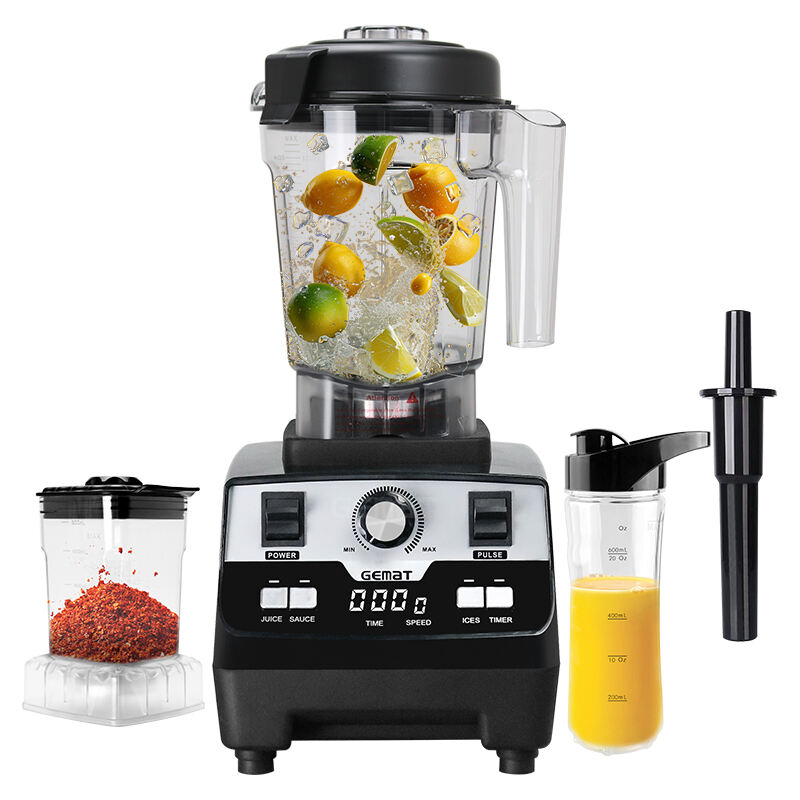
Modern kitchens have evolved into sophisticated culinary spaces where health and convenience converge. Among the essential appliances that define today's health-conscious lifestyle, the juice blender stands out as an indispensable tool for creating nutritious beverages and maintaining optimal wellness. This versatile appliance transforms fresh fruits and vegetables into delicious, nutrient-packed drinks that support busy lifestyles while delivering maximum nutritional value. Understanding the multifaceted benefits of incorporating a juice blender into your daily routine reveals why this appliance has become a cornerstone of contemporary kitchen design.
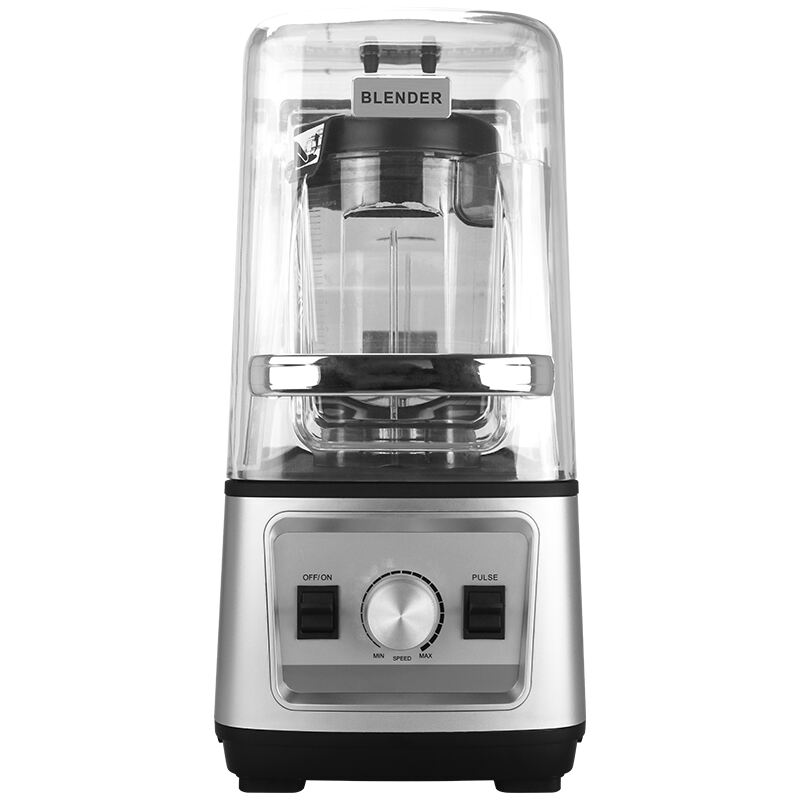
Nutritional Advantages of Daily Juice Blending
Maximizing Vitamin and Mineral Absorption
The primary advantage of using a juice blender lies in its ability to break down cellular walls of fruits and vegetables, making nutrients more bioavailable for absorption. When you blend whole produce, the mechanical action creates a smooth consistency that allows your digestive system to process vitamins, minerals, and antioxidants more efficiently than consuming whole fruits and vegetables alone. This enhanced bioavailability means your body can access crucial nutrients like vitamin C, folate, and potassium more readily, supporting immune function and overall health maintenance.
Research demonstrates that blended beverages can increase antioxidant levels in the bloodstream more rapidly than traditional consumption methods. The juice blender creates microscopic particles that facilitate faster nutrient uptake, particularly beneficial for water-soluble vitamins that require immediate utilization. This advantage becomes especially important for individuals with digestive sensitivities or those seeking to maximize their nutritional intake within limited time constraints.
Fiber Retention and Digestive Health Benefits
Unlike traditional juicing methods that separate pulp from liquid, a quality juice blender preserves the complete fiber content of fruits and vegetables. This fiber retention provides significant digestive health benefits, including improved gut microbiome diversity and enhanced satiety. The soluble and insoluble fibers work together to regulate blood sugar levels, promote healthy cholesterol management, and support regular digestive function throughout the day.
The preserved fiber content also contributes to sustained energy levels by slowing the absorption of natural sugars, preventing the rapid spikes and crashes associated with traditional fruit juices. This steady energy release makes blended beverages an excellent choice for pre-workout nutrition or afternoon energy maintenance, supporting active lifestyles while providing comprehensive nutritional benefits.
Convenience and Time-Saving Benefits
Streamlined Meal Preparation
In today's fast-paced environment, meal preparation efficiency becomes crucial for maintaining healthy eating habits. A juice blender dramatically reduces the time required to consume multiple servings of fruits and vegetables, transforming what might take twenty minutes of eating into a two-minute blending process. This efficiency enables busy professionals, parents, and students to maintain nutritional goals without compromising their schedules or dietary quality.
The convenience extends beyond simple time savings to include meal planning flexibility and portion control. Preparing large batches of blended beverages allows for advance meal preparation, ensuring consistent nutrition throughout busy weeks. This preparation strategy particularly benefits individuals with irregular schedules who might otherwise resort to processed convenience foods or skip meals entirely.
Versatility Across Dietary Preferences
Modern juice blenders accommodate diverse dietary requirements and preferences, from plant-based nutrition to protein supplementation and specialized therapeutic diets. The appliance seamlessly integrates ingredients like protein powders, superfoods, healthy fats, and specialized supplements, creating customized nutrition solutions that align with individual health goals and dietary restrictions.
This versatility makes the juice blender an invaluable tool for families with varying nutritional needs, allowing one appliance to serve multiple dietary approaches simultaneously. Whether supporting athletic performance, weight management, or specific health conditions, the juice blender provides a flexible platform for creating targeted nutritional interventions that taste delicious and deliver measurable results.
Economic and Environmental Impact
Cost-Effective Nutrition Strategy
Investing in a quality juice blender provides substantial long-term economic benefits compared to purchasing pre-made smoothies or juice bar beverages. The average cost per serving of homemade blended drinks ranges from fifty cents to two dollars, while commercial alternatives often exceed five to eight dollars per comparable serving. This cost differential becomes particularly significant for families or individuals who consume multiple servings weekly, potentially saving hundreds of dollars annually while maintaining superior nutritional quality.
The economic advantages extend to reduced food waste, as the juice blender enables utilization of overripe fruits and vegetables that might otherwise be discarded. This efficient use of produce maximizes grocery investments while supporting sustainable consumption patterns that benefit both household budgets and environmental conservation efforts.
Sustainable Living Practices
Home blending significantly reduces packaging waste associated with commercial beverages, contributing to more sustainable lifestyle choices. Each homemade smoothie or juice eliminates plastic bottles, aluminum cans, and cardboard containers that would otherwise contribute to household waste streams. This environmental benefit aligns with growing consumer awareness about sustainable living practices and personal environmental responsibility.
Additionally, using a juice blender encourages purchasing local, seasonal produce, supporting regional agriculture while reducing the carbon footprint associated with long-distance food transportation. This connection to local food systems often results in fresher ingredients, better flavors, and stronger community relationships with local farmers and producers.
Health Conditions and Therapeutic Applications
Chronic Disease Management Support
Healthcare professionals increasingly recommend juice blenders as tools for managing various chronic conditions, including diabetes, heart disease, and inflammatory disorders. The ability to precisely control ingredients and portions enables individuals to create therapeutic beverages that support medication protocols and dietary interventions. This controlled approach proves particularly valuable for managing blood sugar levels, reducing inflammation, and supporting cardiovascular health through targeted nutrition.
The juice blender facilitates incorporation of therapeutic foods like turmeric, ginger, leafy greens, and berries that provide anti-inflammatory compounds and antioxidants. These functional ingredients can be seamlessly integrated into delicious beverages, making it easier for individuals to maintain therapeutic dietary protocols that might otherwise seem restrictive or unpalatable.
Recovery and Performance Enhancement
Athletes and fitness enthusiasts rely on juice blenders to create performance-enhancing beverages that support training, recovery, and competition goals. The appliance enables precise timing of nutrient delivery, whether for pre-workout energy, post-workout recovery, or competition day fueling strategies. This targeted nutrition approach can significantly impact athletic performance and recovery times when properly implemented.
The versatility of the juice blender allows for seasonal adjustments in nutrition protocols, accommodating changing training demands, environmental conditions, and competitive schedules. This adaptability ensures consistent nutritional support throughout various phases of athletic development and seasonal training cycles.
Technology and Innovation in Modern Juice Blenders
Advanced Motor Technology and Durability
Contemporary juice blenders incorporate sophisticated motor technology that delivers consistent performance across diverse ingredients and blending requirements. High-powered motors ensure smooth textures even when processing fibrous vegetables, frozen fruits, and tough ingredients like nuts or seeds. This technological advancement eliminates the frustration of incomplete blending and ensures every beverage achieves professional-quality consistency.
The durability improvements in modern juice blenders translate to long-term reliability and consistent performance over years of regular use. Advanced materials and engineering design principles create appliances that withstand daily use while maintaining optimal blending capabilities, making them valuable long-term kitchen investments that deliver consistent results.
Smart Features and User Experience
Modern juice blenders incorporate intelligent features like preset programs, variable speed controls, and automatic shutoff functions that optimize user experience and blending results. These technological enhancements remove guesswork from the blending process, ensuring consistent results regardless of user experience or ingredient combinations. Smart programming adapts blending cycles to specific ingredient types, maximizing texture quality while preserving nutritional integrity.
User-friendly design elements like easy-clean surfaces, dishwasher-safe components, and intuitive controls make daily use convenient and enjoyable. These practical improvements address common barriers to consistent healthy eating, encouraging regular use and supporting long-term dietary success through improved accessibility and convenience.
FAQ
What makes a juice blender different from a regular blender
A juice blender typically features more powerful motors and specialized blade configurations designed specifically for breaking down fibrous fruits and vegetables into smooth, drinkable textures. While regular blenders work well for basic mixing tasks, juice blenders excel at creating consistently smooth beverages from tough ingredients like kale, carrots, and frozen fruits. The key difference lies in motor power, blade design, and container shape optimization for liquid-based recipes.
How often should I clean my juice blender for optimal performance
For optimal performance and hygiene, clean your juice blender immediately after each use with warm soapy water and a thorough rinse. Perform a deep cleaning weekly by blending a mixture of warm water and baking soda, followed by a complete disassembly and washing of removable parts. Monthly maintenance should include checking blade sharpness and ensuring all seals remain intact to prevent leakage and maintain blending efficiency.
Can a juice blender handle hot ingredients safely
Most juice blenders can safely handle warm ingredients up to approximately 140°F, but extremely hot liquids should be cooled slightly before blending to prevent pressure buildup and potential container damage. When blending warm ingredients, start at low speeds and gradually increase to prevent sudden pressure changes. Always check your specific model's temperature guidelines, as capabilities vary between manufacturers and designs.
What ingredients should I avoid putting in my juice blender
Avoid putting extremely hard items like ice cubes larger than standard size, whole spices, coffee beans, or grains unless your juice blender specifically handles these materials. Additionally, avoid blending carbonated liquids as they can create excessive pressure, and limit sticky ingredients like dates or nut butters to small quantities mixed with sufficient liquid. Always consult your manufacturer's guidelines for ingredient limitations specific to your model.