 Zhongshan city HaiShang Electric Appliances Co,. Ltd
 EN
EN



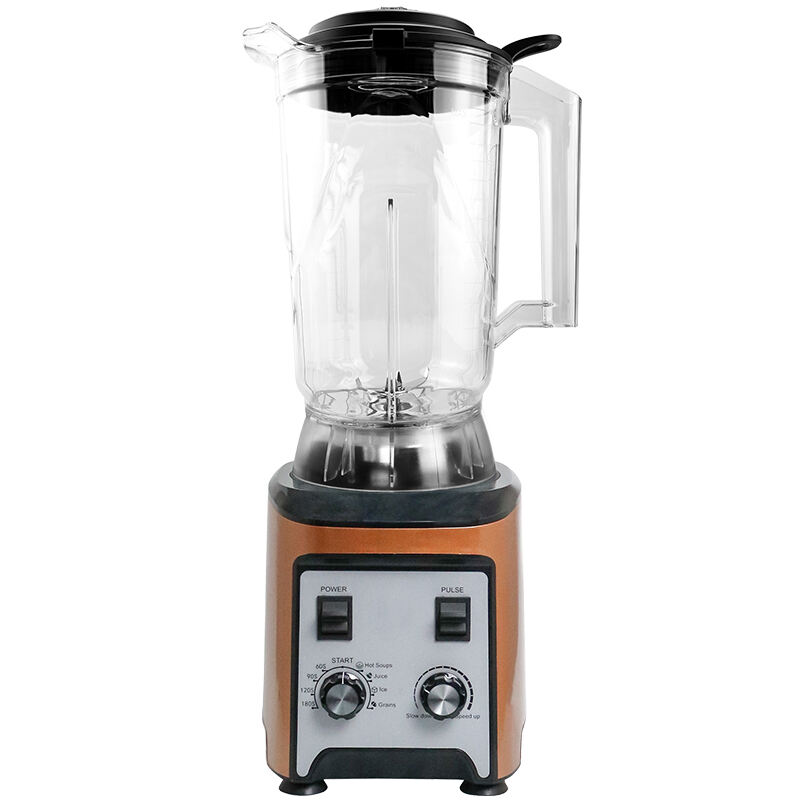
A general electric blender is one of the most hardworking appliances in any kitchen, whether at home or in a commercial setting. From smoothies and soups to sauces and crushed ice, it handles a remarkable range of tasks day after day. Yet despite its versatility and durability, even the most reliable general electric blender will underperform or wear out prematurely if it does not receive proper, consistent maintenance. Understanding what it takes to keep your appliance in peak condition is the first step toward protecting your investment and ensuring years of dependable performance.
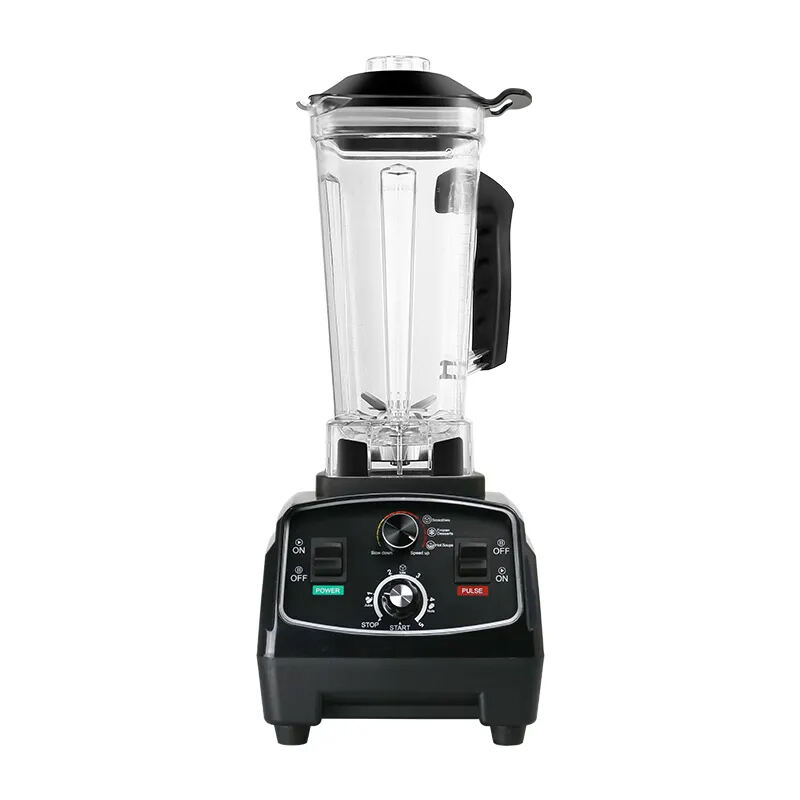
This guide covers the essential maintenance practices every owner of a general electric blender should follow. Whether you use your blender occasionally for weekend meal prep or run it heavily in a food service environment, these tips will help you extend its lifespan, maintain blending quality, and avoid costly repairs or replacements. Each section below addresses a specific aspect of blender care, from routine cleaning to motor health and blade management, giving you a complete maintenance framework built around the realities of how a general electric blender is actually used.
Routine Cleaning Practices That Protect Performance
Cleaning After Every Use
The most fundamental maintenance habit for a general electric blender is thorough cleaning after every single use. Food residue left inside the jar, around the blade assembly, or under the gasket can harden over time, making future cleaning more difficult and potentially affecting the taste and hygiene of blended foods. Even a quick rinse immediately after use prevents buildup from forming in the first place.
To clean the jar efficiently, fill it halfway with warm water and add a small drop of dish soap. Run the blender on a medium speed for about thirty seconds, then rinse thoroughly with clean water. This self-cleaning method reaches the areas that are hardest to access manually, including the underside of the blade assembly where food particles tend to collect most densely.
For more thorough cleaning, disassemble the jar from the base and separate all removable components. Wash each part individually with a soft sponge or cloth, avoiding abrasive scrubbers that can scratch the plastic or glass surfaces. Scratches not only affect appearance but can harbor bacteria over time, making every subsequent clean less effective.
Deep Cleaning the Blade Assembly
The blade assembly of a general electric blender requires special attention during cleaning because of its complex geometry and the sharpness of its edges. Food particles and oils can accumulate in the small gaps between the blades and the central hub, leading to odor, discoloration, and even corrosion if left unaddressed. A targeted deep clean should be performed at least once a week for regular users.
Use a small cleaning brush or an old toothbrush to gently scrub around the base of each blade and along the underside of the blade unit. Soak the assembly in a mixture of warm water and white vinegar for fifteen to twenty minutes before scrubbing to loosen stubborn residue. Rinse completely and allow all parts to air dry before reassembling to prevent moisture from being trapped against metal surfaces.
Always handle the blade assembly with caution. Even when cleaning, the edges of the blades remain sharp enough to cause injury. Using a folded cloth or protective gloves while handling the blade unit is a simple precaution that prevents accidents during what should be a routine task.
Blade Maintenance and Replacement Indicators
Keeping Blades Sharp and Functional
The blades of a general electric blender are the primary mechanical component responsible for blending efficiency. Over time and with regular use, blades can dull slightly, develop micro-nicks, or become misaligned in ways that reduce their cutting and emulsifying effectiveness. Monitoring blade condition is an important part of any ongoing maintenance routine.
One of the most reliable ways to assess blade health is to pay attention to blending results. If your general electric blender begins to leave chunks in smoothies that it previously processed smoothly, or if it requires longer blending times to achieve the same consistency, the blades may have dulled or the assembly may have shifted slightly. These performance changes are important early signals that require attention.
Blades are generally not designed to be resharpened at home. Instead, most manufacturers supply replacement blade assemblies that are designed to fit specific blender models. Replacing the blade assembly when wear becomes apparent is far more effective than continuing to use a diminished set, and it restores the general electric blender to near-original performance quickly and at a reasonable cost.
Inspecting the Gasket and Sealing Ring
The rubber gasket or sealing ring that sits beneath the blade assembly plays a critical but often overlooked role in blender function. It prevents liquid from leaking out of the jar during blending and also contributes to the secure coupling between the blade unit and the jar base. On a well-maintained general electric blender, this component should be inspected regularly for signs of wear.
Common signs of gasket deterioration include leaking during operation, a loose or wobbly blade assembly, and a persistent odor that does not disappear even after thorough cleaning. A degraded gasket can also allow liquid to seep into the motor housing, which is one of the most damaging maintenance failures a blender owner can face. Replacing this inexpensive component proactively prevents far more serious damage downstream.
Gaskets should be removed and inspected monthly if the blender sees daily use. Look for cracks, brittleness, deformation, or discoloration. If any of these signs are present, replace the gasket immediately. Always ensure the replacement gasket is the correct size and specification for your specific general electric blender model to ensure a proper seal.
Motor Care and Overheating Prevention
Understanding Motor Load Limits
The motor is the heart of any general electric blender, and protecting it from overload is one of the most important maintenance principles an owner can follow. Every blender motor is rated for a specific level of continuous operation, and exceeding that rating by blending overly dense materials or running the machine for extended uninterrupted periods can cause overheating and accelerated motor wear.
When blending thick mixtures such as nut butters, frozen fruit blends, or dense dough-like substances, it is best to work in short intervals rather than continuous long cycles. Run the blender for twenty to thirty seconds, pause briefly to allow the motor to rest, then continue. This pulsing approach dramatically reduces thermal buildup within the motor housing and extends the effective service life of the appliance significantly.
Always cut large or hard ingredients into smaller pieces before adding them to the jar. Starting with smaller pieces reduces the initial mechanical resistance the blades and motor must overcome, lowering the electrical load on the motor at startup. This is particularly important for a general electric blender used in commercial or high-volume settings where the machine may be operating multiple times per hour.
Ventilation and Motor Housing Care
Proper ventilation around the motor housing of a general electric blender is essential for preventing heat accumulation during use. Most blender bases have ventilation slots or openings built into the housing to allow airflow through and around the motor. These openings must remain clear of obstruction at all times to ensure the motor can cool itself effectively during operation.
Wipe down the exterior of the motor base regularly using a slightly damp cloth, paying particular attention to the ventilation slots. Use a soft-bristled brush or a can of compressed air to remove dust and food particles that may have settled inside these openings. Never immerse the motor base in water or hold it under a running tap, as the electrical components inside are not waterproof.
If the motor housing feels unusually warm to the touch after a blending session, or if you detect a faint burning smell, stop using the appliance immediately and allow it to cool for at least thirty minutes before resuming. These signals indicate the motor has been under significant thermal stress. Persistent overheating may indicate a need for professional inspection or that the blender is being used beyond its designed capacity.
Storage, Electrical Safety, and Long-Term Upkeep
Proper Storage Practices
How you store your general electric blender between uses has a meaningful impact on its long-term condition. Storing the blender assembled and ready to use is convenient, but it can trap residual moisture between components if the parts were not fully dried before reassembly. This moisture creates conditions favorable to mold growth and can accelerate the degradation of rubber seals and gaskets over time.
After washing, allow all components of the general electric blender to air dry completely before storing. If possible, store the jar separately from the base with the lid placed loosely on top rather than sealed shut. This allows air to circulate through the jar and prevents any residual moisture from becoming stagnant inside a sealed container. A cool, dry storage location away from direct sunlight or heat sources is ideal for preserving the integrity of plastic components.
Wrap the power cord loosely around the base rather than wrapping it tightly or bending it at sharp angles. Repeated sharp bending at the same point in the cord can damage the internal wiring over time, leading to power delivery issues or, in more serious cases, electrical safety hazards. Taking a few extra seconds to handle the cord carefully during storage is a small habit that protects both the appliance and the user.
Periodic Inspection and Professional Servicing
Beyond daily and weekly cleaning, a general electric blender benefits from a more comprehensive inspection every few months. This periodic review should cover all major components including the jar, blade assembly, gasket, power cord, control switches, and the base housing. Look for physical damage such as cracks in the jar, corrosion on metallic components, or discoloration that might suggest heat stress or chemical degradation.
Check the control buttons or speed dial for smooth, responsive operation. Stiff or unresponsive controls may indicate internal switch wear, which can cause inconsistent speed behavior and affect blending quality. If controls begin to feel less crisp or responsive than when the general electric blender was new, this is a useful signal that the control mechanism may need attention from a qualified service technician.
For blenders used in commercial or semi-commercial settings, scheduling a professional servicing appointment once per year is a worthwhile investment. A technician can inspect internal wiring, test motor insulation, verify that all mechanical tolerances are within specification, and replace any components that show early signs of wear before they cause operational failures. Proactive professional care significantly extends the practical service life of any general electric blender.
FAQ
How often should I clean my general electric blender?
You should perform a basic rinse or wash of your general electric blender after every single use to prevent food residue from hardening inside the jar and around the blade assembly. A more thorough deep clean, including soaking and scrubbing the blade unit, should be done at least once a week if the blender is used daily. Monthly inspections of the gasket and sealing ring are also recommended to catch early signs of wear before they lead to leaks or motor damage.
What causes a general electric blender to overheat and how can I prevent it?
Overheating in a general electric blender is most commonly caused by blending overly dense or thick ingredients for prolonged continuous periods without allowing the motor to rest between cycles. Running the blender beyond its rated duty cycle or blocking the ventilation openings on the motor base can also cause excessive heat buildup. To prevent overheating, use a pulsing technique when blending thick mixtures, cut ingredients into smaller pieces before adding them to the jar, and always keep the ventilation slots on the base free of dust and debris.
When should I replace the blade assembly on my general electric blender?
You should consider replacing the blade assembly when you notice a decline in blending performance such as uneven results, longer processing times, or visible nicking and damage on the blade edges. Blades on a general electric blender are not designed to be resharpened at home, so replacement is the most practical and effective solution when wear becomes apparent. Using a dull or damaged blade assembly puts additional strain on the motor, so timely replacement also protects the longevity of other components.
Is it safe to put general electric blender parts in the dishwasher?
Many jar and lid components of a general electric blender are dishwasher-safe, but you should always consult the specific model's user manual before placing any part in a dishwasher. The blade assembly and gasket are generally better washed by hand, as repeated dishwasher exposure can accelerate rubber degradation and may dull blade edges faster than hand washing. The motor base must never be placed in a dishwasher or submerged in water under any circumstances, as this would cause irreversible damage to the electrical components inside.