 Zhongshan city HaiShang Electric Appliances Co,. Ltd
 EN
EN



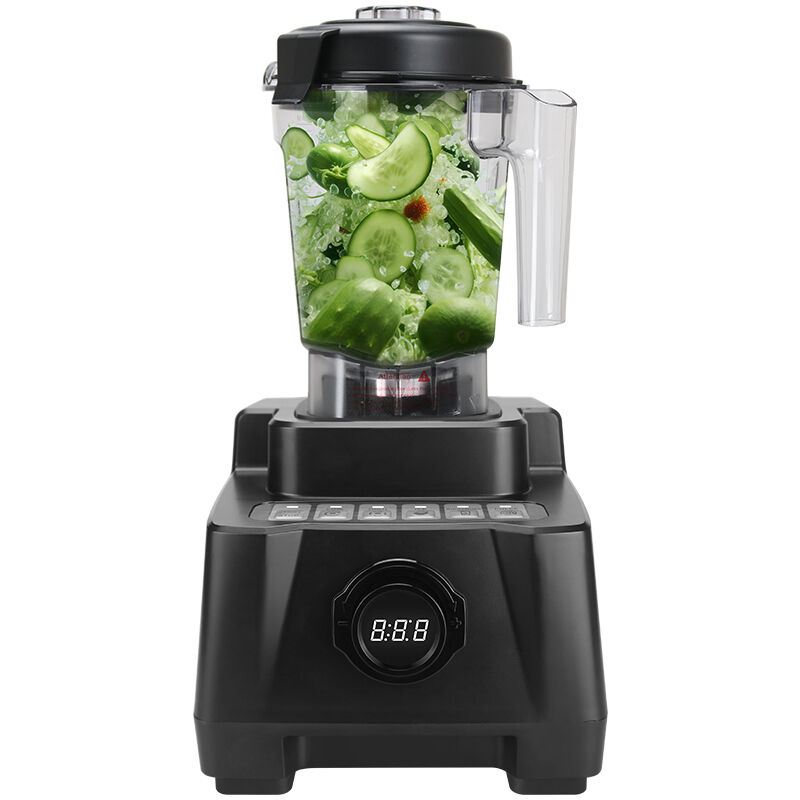
When selecting the perfect kitchen appliance for your culinary needs, understanding the essential characteristics of a high-quality food blender becomes crucial for making an informed purchase decision. Modern food blender technology has evolved significantly, offering sophisticated features that transform basic ingredients into smooth textures, nutritious smoothies, and gourmet preparations. The right food blender can revolutionize your cooking experience, providing versatility that extends far beyond simple fruit smoothies to include hot soups, nut butters, and even ice cream preparation.
Motor Power and Performance Specifications
Wattage Requirements for Optimal Blending
The motor power of a food blender directly influences its ability to handle tough ingredients and maintain consistent performance during extended use. Professional-grade models typically feature motors ranging from 1000 to 1500 watts, providing sufficient torque to crush ice, blend fibrous vegetables, and process dense ingredients without strain. High-wattage motors ensure your food blender maintains optimal speed even when processing challenging combinations like frozen fruits with leafy greens.
Variable speed controls allow users to customize blending intensity according to specific recipe requirements. Premium food blender models incorporate multiple speed settings, enabling precise control over texture development. This functionality proves essential when creating everything from chunky salsas to silky smooth purees, demonstrating the importance of motor versatility in modern kitchen appliances.
Blade Design and Construction Materials
Stainless steel blade assemblies represent the gold standard in food blender construction, offering durability and resistance to corrosion from acidic ingredients. The geometric design of blades significantly impacts blending efficiency, with multi-level configurations creating optimal vortex patterns that draw ingredients downward for thorough processing. Quality blade systems feature precision-engineered angles that maximize cutting efficiency while minimizing processing time.
Removable blade assemblies facilitate thorough cleaning and maintenance, extending the operational lifespan of your food blender investment. Some advanced models incorporate specialized blade configurations designed for specific tasks, such as grinding spices or making nut butter, showcasing the versatility available in modern blending technology.
Container Design and Capacity Considerations
Material Selection and Durability Factors
The container material significantly influences both the performance and longevity of your food blender system. Borosilicate glass containers offer excellent resistance to thermal shock and provide clear visibility during blending operations, making them ideal for hot soup preparation and temperature-sensitive recipes. These containers maintain their clarity over time and resist scratching from abrasive ingredients.
High-grade BPA-free plastic containers provide lightweight alternatives without compromising safety or functionality. Modern polymer formulations resist staining and odor absorption while maintaining structural integrity under high-speed operations. The choice between glass and plastic containers often depends on intended usage patterns and personal preferences regarding weight and heat resistance.
Capacity Options and Serving Size Planning
Container capacity directly correlates with serving size capabilities, making it essential to select a food blender that matches your typical preparation volumes. Single-serving models typically feature 16-20 ounce containers, perfect for individual smoothies and small-batch preparations. Family-sized units often incorporate 64-72 ounce containers, accommodating larger batches for meal preparation and entertaining.
Graduated measurement markings on container walls facilitate accurate ingredient proportioning without requiring additional measuring tools. Clear, easy-to-read markings in both metric and imperial units enhance usability across diverse cooking traditions and recipe sources, making your food blender more versatile and user-friendly.
Advanced Control Systems and Technology Integration
Preset Programming and Automatic Functions
Modern food blender systems incorporate intelligent programming that automates common blending tasks through preset cycles. These programs adjust speed and duration automatically, ensuring consistent results for smoothies, soups, and frozen desserts without requiring manual intervention. Preset functions eliminate guesswork and provide reproducible outcomes, particularly beneficial for users seeking consistent texture and quality.
Pulse functionality offers precise control over texture development, allowing users to achieve specific consistencies through short, controlled bursts of high-speed blending. This feature proves invaluable when preparing chunky salsas, chopped vegetables, or when incorporating delicate ingredients that require minimal processing time in your food blender workflow.
Safety Features and User Protection Systems
Comprehensive safety systems protect both users and equipment during operation, making these features essential considerations in any quality food blender selection. Automatic shutoff mechanisms prevent motor overheating during extended use, while locking mechanisms ensure container security before operation begins. These protective features extend equipment lifespan while minimizing safety risks.
Overheat protection systems monitor motor temperature and automatically interrupt operation when thermal limits approach, preventing permanent damage to internal components. Sound enclosures or noise reduction technology enhance user comfort during operation, making early morning smoothie preparation more considerate of sleeping household members.
Maintenance Requirements and Ease of Cleaning
Dishwasher Compatibility and Material Considerations
Dishwasher-safe components significantly reduce maintenance burden, making regular cleaning more convenient and encouraging consistent hygiene practices. Most quality food blender containers and removable parts feature dishwasher-safe construction, though blade assemblies may require hand washing to maintain optimal sharpness and prevent potential dishwasher damage.
Self-cleaning capabilities represent advanced convenience features found in premium food blender models. These systems use specialized cycles that combine water and dish soap to clean container interiors automatically, reducing manual cleaning requirements and ensuring thorough sanitation after each use.
Component Accessibility and Replacement Parts
Easy access to all components facilitates thorough cleaning and routine maintenance, essential factors in maintaining food safety standards. Removable blade assemblies allow detailed cleaning of areas that accumulate food residue, while wide container openings accommodate cleaning tools and provide clear visibility during maintenance procedures.
Availability of replacement parts ensures long-term usability and cost-effectiveness of your food blender investment. Reputable manufacturers provide readily available replacement containers, blade assemblies, and sealing components, extending equipment lifespan and maintaining optimal performance through regular component updates.
Versatility and Multi-Function Capabilities
Attachment Systems and Accessory Options
Expandable systems allow users to enhance their food blender functionality through specialized attachments designed for specific culinary tasks. Food processing attachments transform standard blenders into versatile prep stations capable of slicing, dicing, and shredding vegetables. These accessories maximize kitchen space efficiency while reducing the need for multiple single-purpose appliances.
Specialized containers for different applications, such as grinding cups for spices or single-serving containers for individual portions, expand the practical utility of your food blender system. These accessories enable users to tackle diverse culinary challenges using a single base unit, providing excellent value and counter space efficiency.
Temperature Capabilities and Hot Food Processing
Advanced food blender models incorporate heating elements or friction-heating capabilities that enable hot soup preparation directly within the container. This functionality eliminates the need for separate cooking steps, streamlining meal preparation and reducing cleanup requirements. Heat-resistant containers and specialized blade designs accommodate high-temperature processing safely.
Cold processing capabilities ensure optimal nutrient retention in raw preparations while maintaining food safety standards. Powerful motors generate sufficient friction to warm ingredients through blending action alone, creating hot soups from raw vegetables without external heat sources, showcasing the thermal versatility available in modern food blender technology.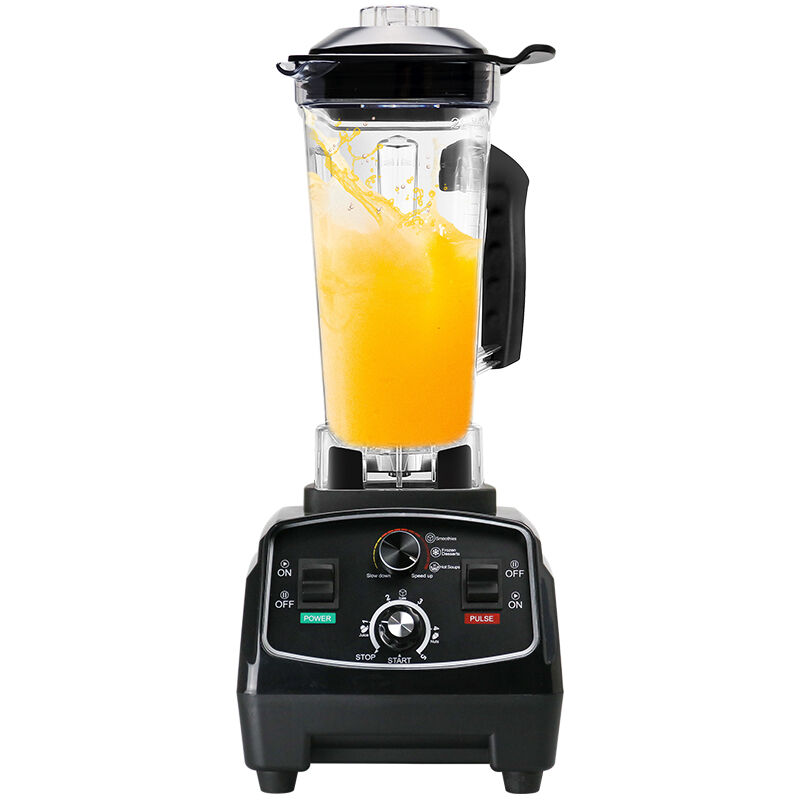
FAQ
What motor wattage should I look for in a high-performance food blender
Professional-quality food blender models typically feature motors between 1000-1500 watts, providing sufficient power to handle tough ingredients like ice, frozen fruits, and fibrous vegetables. Higher wattage ensures consistent performance during extended use and enables processing of dense ingredients without motor strain or reduced efficiency.
How do I determine the right container capacity for my needs
Container capacity should align with your typical serving requirements, with single-serving models offering 16-20 ounces and family-sized units providing 64-72 ounces. Consider your regular batch sizes for smoothies, soups, and other preparations when selecting food blender capacity to ensure optimal functionality without waste or multiple processing cycles.
Are glass or plastic containers better for food blender performance
Both materials offer distinct advantages depending on usage patterns. Glass containers provide superior thermal resistance and clarity retention, making them ideal for hot preparations and long-term use. BPA-free plastic containers offer lightweight convenience and impact resistance while maintaining food safety standards and functionality in most food blender applications.
What safety features should I prioritize when choosing a food blender
Essential safety features include automatic shutoff protection, secure locking mechanisms, and overheat protection systems that prevent motor damage during extended use. These protective systems ensure both user safety and equipment longevity, making them critical considerations when evaluating food blender options for home or commercial applications.