 Zhongshan city HaiShang Electric Appliances Co,. Ltd
 EN
EN



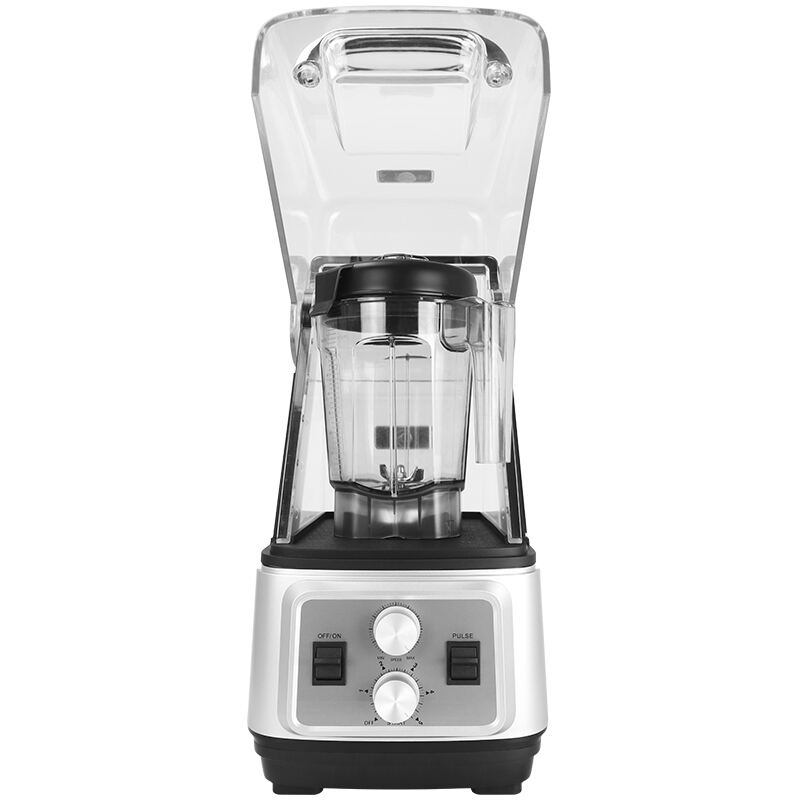
Commercial kitchens and serious home cooks understand that not all blenders are created equal. A heavy duty blender represents the pinnacle of blending technology, designed to handle the most demanding tasks with consistent reliability. These powerful machines deliver exceptional performance across various applications, from crushing ice to pulverizing tough ingredients that would challenge ordinary blenders. The investment in a heavy duty blender transforms any kitchen operation, providing the durability and versatility needed for professional-grade results.
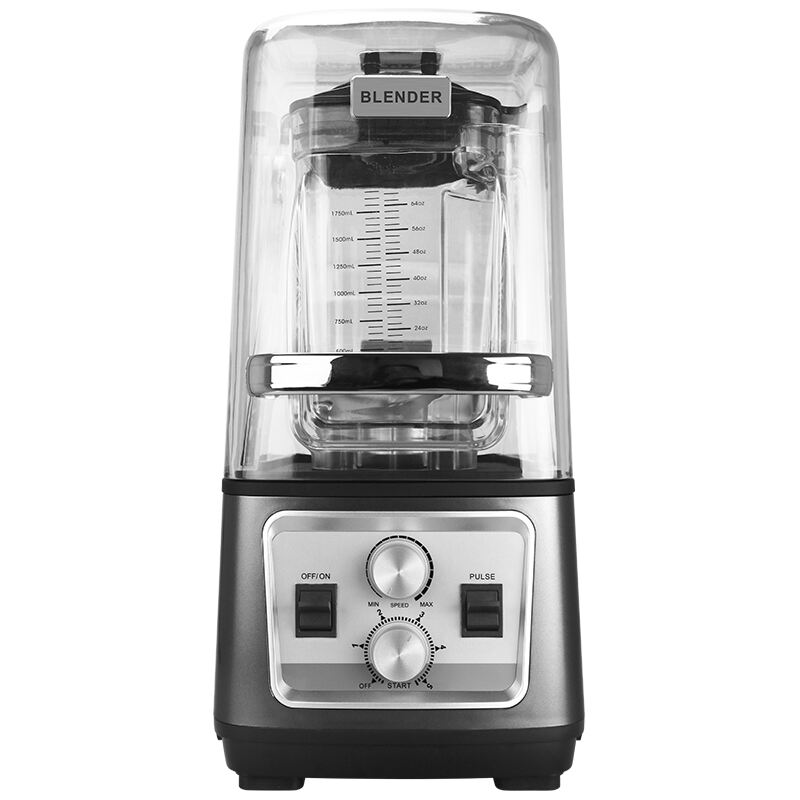
Understanding Heavy Duty Blender Construction
Motor Power and Performance Specifications
The foundation of any heavy duty blender lies in its motor construction and power output capabilities. These machines typically feature motors ranging from 1500 to 3500 watts, significantly exceeding standard household blenders. The enhanced motor power enables consistent operation under heavy loads without overheating or stalling. Professional-grade heavy duty blender models incorporate variable speed controls that allow precise adjustment for different blending tasks, ensuring optimal results regardless of ingredient density or volume.
Advanced motor cooling systems prevent thermal buildup during extended operation periods. Heavy duty blender designs include ventilation features and heat dissipation technology that maintains optimal operating temperatures. This engineering approach extends motor lifespan and ensures consistent performance throughout demanding work cycles. The robust motor construction also reduces vibration and noise levels, creating a more pleasant working environment while delivering superior blending results.
Blade System Design and Materials
The blade assembly in a heavy duty blender represents sophisticated engineering designed for maximum cutting efficiency. Stainless steel blades undergo precision manufacturing processes that create sharp, durable cutting surfaces capable of handling tough ingredients. The blade geometry incorporates specific angles and curves that optimize fluid dynamics within the blending container, creating powerful vortex action that draws ingredients toward the cutting surfaces.
Multiple blade configurations allow heavy duty blender systems to tackle various tasks effectively. Some models feature removable blade assemblies for easy cleaning and maintenance, while others incorporate sealed bearing systems that prevent ingredient contamination. The blade mounting system provides secure attachment that withstands high-torque operation without loosening or compromising performance. This attention to blade system design ensures reliable operation and consistent results across diverse blending applications.
Commercial Applications and Industry Benefits
Restaurant and Food Service Integration
Professional kitchens rely on heavy duty blender equipment to maintain consistent food quality and operational efficiency. These machines excel at preparing smoothies, sauces, soups, and purees that meet commercial volume requirements. The robust construction handles continuous operation throughout busy service periods without performance degradation. Restaurant operators appreciate the versatility that allows one heavy duty blender to replace multiple smaller appliances, reducing equipment costs and kitchen space requirements.
Menu consistency becomes achievable when commercial operations utilize heavy duty blender technology. Standardized recipes produce uniform results regardless of operator experience level or ingredient variations. The powerful motors ensure complete blending of ingredients, eliminating texture inconsistencies that could affect customer satisfaction. Many establishments find that investing in quality heavy duty blender equipment reduces preparation time while improving final product quality.
Healthcare and Nutrition Applications
Healthcare facilities and nutrition centers benefit significantly from heavy duty blender capabilities in specialized dietary applications. These machines create smooth, consistent textures required for patients with swallowing difficulties or specific dietary restrictions. The powerful blending action breaks down fibrous vegetables and fruits completely, ensuring proper nutrient absorption and digestibility. Hospitals and care facilities rely on heavy duty blender performance to prepare modified texture diets that meet medical requirements while maintaining nutritional value.
Nutritional supplement preparation represents another critical application where heavy duty blender performance proves essential. Protein powders, fiber supplements, and specialized nutrition formulations require thorough mixing to achieve proper consistency and taste. The high-speed operation eliminates clumping and ensures complete ingredient integration, resulting in palatable nutritional beverages that patients and clients willingly consume. This capability supports improved patient outcomes and nutritional compliance in healthcare settings.
Performance Advantages Over Standard Blenders
Processing Capacity and Speed
The processing capacity of a heavy duty blender far exceeds standard consumer models, enabling efficient handling of large batches and tough ingredients. These machines process ingredients more quickly due to enhanced motor power and optimized blade design, reducing preparation time in busy commercial environments. The increased processing speed translates to improved operational efficiency and reduced labor costs, making heavy duty blender investment economically advantageous for high-volume applications.
Ingredient versatility expands dramatically with heavy duty blender capability. These machines effortlessly process frozen fruits, ice, nuts, seeds, and fibrous vegetables that challenge ordinary blenders. The enhanced processing power enables creation of smooth nut butters, frozen desserts, and thick smoothie bowls without ingredient separation or texture irregularities. This versatility allows food service operations to expand menu offerings while maintaining consistent quality standards across diverse applications.
Durability and Longevity Factors
Commercial-grade construction ensures heavy duty blender equipment withstands demanding operational conditions over extended periods. Quality materials and precision manufacturing create machines that maintain performance characteristics despite continuous use and challenging ingredients. The robust construction includes reinforced housing, sealed motor compartments, and corrosion-resistant components that resist wear and environmental factors common in commercial kitchen environments.
Maintenance requirements for heavy duty blender equipment remain minimal due to quality component selection and engineering design. Many models feature self-cleaning cycles that simplify sanitation procedures while ensuring food safety compliance. The durable construction reduces replacement part requirements and minimizes downtime associated with equipment failures. This reliability factor makes heavy duty blender investment particularly attractive for operations that cannot afford equipment-related service interruptions.
Selection Criteria and Key Features
Capacity and Container Design
Container capacity selection depends on typical batch sizes and operational requirements for heavy duty blender applications. Commercial models offer containers ranging from one quart to several gallons, accommodating various production volumes. The container design influences blending efficiency through shape optimization that promotes proper ingredient circulation and mixing. Square or rectangular containers provide better corner cleaning access, while round designs optimize vortex formation for certain blending tasks.
Material selection for heavy duty blender containers impacts durability, safety, and cleaning efficiency. Polycarbonate containers offer excellent impact resistance and clarity for visual monitoring, while stainless steel provides superior durability and thermal properties. Some models feature graduated markings that facilitate accurate measuring and recipe consistency. Container lid design affects operational safety and ingredient containment during high-speed blending operations, making secure closure mechanisms essential for heavy duty blender applications.
Control Systems and Programming Options
Advanced control systems distinguish premium heavy duty blender models from basic alternatives, offering programmable cycles and precise speed control. Digital displays provide operational feedback and programming options that ensure consistent results across multiple operators and production cycles. Preset programs optimize blending parameters for common applications, reducing operator training requirements while maintaining quality standards. Timer functions and automatic shut-off features enhance operational safety and prevent over-processing.
Variable speed control allows heavy duty blender operators to adjust blending intensity for different ingredients and desired textures. Pulse functions provide precise control for applications requiring specific texture characteristics or ingredient incorporation techniques. Some models include sound enclosures that reduce operational noise levels, improving workplace conditions in busy commercial environments. These control features contribute to the versatility and user-friendliness that make heavy duty blender equipment valuable investments for professional applications.
Maintenance and Operational Best Practices
Cleaning and Sanitation Procedures
Proper cleaning procedures ensure heavy duty blender equipment maintains optimal performance and meets food safety requirements. Daily cleaning protocols include disassembly of removable components, thorough washing with approved sanitizers, and complete drying before storage. The smooth surfaces and accessible design of quality heavy duty blender models facilitate efficient cleaning while preventing bacterial growth and cross-contamination issues that could affect food safety.
Deep cleaning procedures for heavy duty blender equipment involve periodic disassembly and detailed inspection of internal components. Blade assemblies require careful attention to remove buildup that could affect cutting efficiency or harbor contaminants. Motor housing cleaning focuses on external surfaces and ventilation areas to prevent dust accumulation that could impact cooling performance. Regular maintenance scheduling ensures heavy duty blender equipment continues operating at peak efficiency while extending service life.
Performance Optimization Techniques
Optimal ingredient loading techniques maximize heavy duty blender performance and ensure consistent results. Liquid ingredients should be added first to facilitate proper vortex formation, followed by softer ingredients and finally harder items that require more processing power. Avoiding container overloading prevents motor strain and ensures complete ingredient processing. Understanding ingredient interaction helps operators achieve desired textures while minimizing processing time and energy consumption.
Regular performance monitoring identifies potential issues before they affect heavy duty blender operation or result quality. Operators should monitor unusual vibrations, noise changes, or processing inconsistencies that could indicate maintenance needs. Blade sharpness affects cutting efficiency and should be evaluated periodically to maintain optimal performance. Proper operator training ensures heavy duty blender equipment receives appropriate care while maximizing productivity and extending equipment life.
Cost Analysis and Return on Investment
Initial Investment Considerations
The initial cost of heavy duty blender equipment reflects the quality materials, advanced engineering, and robust construction that enable reliable commercial operation. While the upfront investment exceeds standard blender costs, the enhanced capabilities and durability provide significant long-term value. Professional-grade heavy duty blender models include warranties and support services that protect the investment while ensuring continued operation. Financing options may be available for commercial operations seeking to upgrade their blending capabilities.
Cost comparison should consider the total ownership expenses including energy consumption, maintenance requirements, and replacement part availability. Heavy duty blender efficiency often results in lower per-batch operating costs despite higher initial purchase prices. The ability to process larger batches reduces labor costs and improves operational efficiency, contributing to positive return on investment calculations. Quality heavy duty blender equipment typically offers superior reliability and longer service life compared to consumer-grade alternatives.
Operational Savings and Efficiency Gains
Operational efficiency improvements from heavy duty blender implementation include reduced processing time, improved batch consistency, and enhanced product quality. The powerful motors and optimized blade designs complete blending tasks more quickly than standard equipment, increasing overall productivity. Consistent results reduce waste associated with batch failures or quality issues, improving ingredient utilization and profitability. These efficiency gains often justify heavy duty blender investment within months of installation.
Labor cost reductions result from simplified operations and reduced manual intervention required for heavy duty blender tasks. The reliable performance and automated features minimize operator skill requirements while maintaining high-quality results. Equipment versatility allows consolidation of multiple appliances into single heavy duty blender solutions, reducing equipment maintenance and training requirements. These operational benefits contribute to improved profitability and competitive advantages for businesses investing in quality blending equipment.
FAQ
What makes a heavy duty blender different from regular blenders
A heavy duty blender features significantly more powerful motors, typically ranging from 1500-3500 watts compared to 300-1000 watts in consumer models. The construction includes commercial-grade materials, reinforced blade assemblies, and enhanced cooling systems designed for continuous operation. These blenders handle tough ingredients like frozen fruits, nuts, and ice without strain, while providing consistent results across large batches. The durability and performance capabilities make them essential for commercial operations and serious home cooking applications.
How long do heavy duty blenders typically last with regular use
Quality heavy duty blender equipment typically operates reliably for 5-10 years or more with proper maintenance in commercial environments. The robust construction and quality components resist wear even under demanding conditions. Regular cleaning, appropriate usage, and periodic maintenance extend service life significantly. Many commercial operations report decades of reliable service from well-maintained heavy duty blender equipment, making them excellent long-term investments for professional kitchens.
Can heavy duty blenders handle hot liquids safely
Most heavy duty blender models can process warm liquids up to specific temperature limits, typically around 180°F. However, safety precautions include using vented lids and avoiding overfilling to prevent pressure buildup. Some models feature containers specifically designed for hot liquid processing with enhanced thermal resistance. Always consult manufacturer specifications and safety guidelines before processing hot ingredients to ensure safe operation and prevent damage to the equipment.
What maintenance is required for heavy duty blender equipment
Daily maintenance includes thorough cleaning of all removable components, sanitizing according to food safety protocols, and visual inspection for wear or damage. Weekly tasks involve deep cleaning of blade assemblies and motor housing exterior. Monthly maintenance includes checking blade sharpness, inspecting electrical connections, and verifying proper operation of safety features. Annual professional service may include motor inspection, bearing lubrication, and comprehensive performance testing to ensure continued reliability and optimal performance.