 Zhongshan city HaiShang Electric Appliances Co,. Ltd
 EN
EN



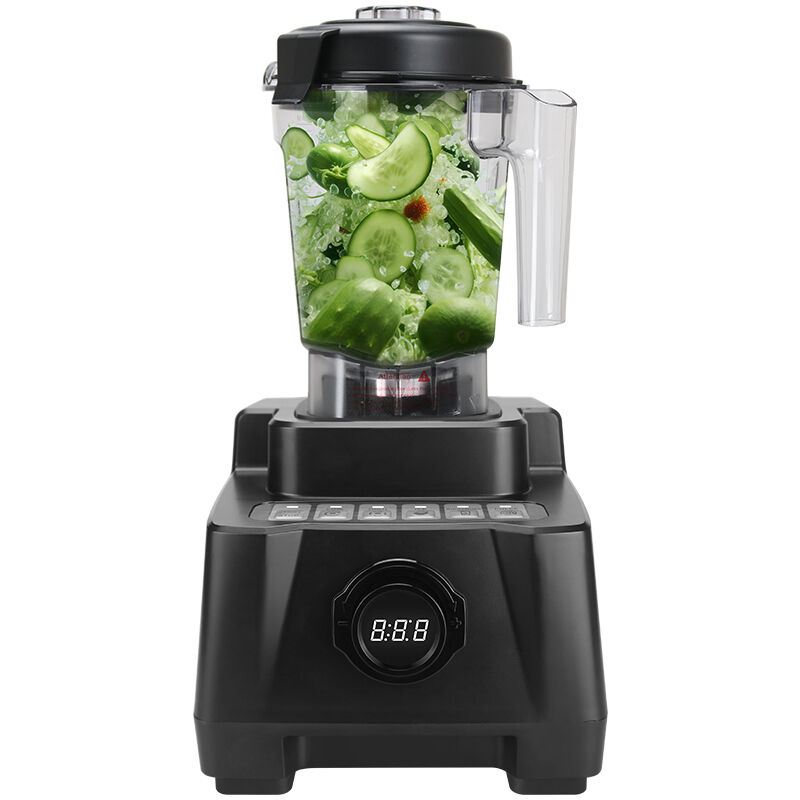
Modern healthy eating habits have transformed the way we approach meal preparation, and a food blender has become an indispensable tool in creating nutritious, time-efficient meals. Whether you're a busy professional seeking quick breakfast solutions or a health enthusiast exploring diverse dietary options, understanding how a food blender can streamline your meal prep process is essential for maintaining a balanced lifestyle. The versatility and efficiency of these appliances make them cornerstone equipment for anyone serious about preparing wholesome, homemade meals consistently.
Essential Functions of Food Blenders in Meal Preparation
Smoothie Creation and Nutritional Optimization
The primary advantage of incorporating a food blender into your meal prep routine lies in its ability to create nutrient-dense smoothies that preserve essential vitamins and minerals. Unlike traditional juicing methods that separate fiber from liquid, blending maintains the complete nutritional profile of fruits and vegetables. This process allows for better absorption of nutrients while providing sustained energy throughout the day. Professional nutritionists consistently recommend blended beverages as an efficient method for consuming multiple servings of fruits and vegetables in a single meal.
Advanced blending techniques enable the breakdown of cellular walls in leafy greens and fibrous vegetables, making nutrients more bioavailable to the human digestive system. The mechanical action of high-speed blades creates a homogeneous mixture that combines flavors seamlessly while maintaining optimal nutritional density. This process is particularly beneficial for individuals who struggle to consume adequate vegetable portions through traditional cooking methods.
Protein Integration and Meal Enhancement
Incorporating protein powders, nut butters, and seeds into blended meals becomes effortless with proper blending equipment. The consistent mixing action ensures even distribution of protein sources throughout the beverage, eliminating clumps and creating smooth textures that enhance palatability. This capability is crucial for athletes, fitness enthusiasts, and individuals following specific dietary protocols that require precise protein intake management.
The versatility extends beyond simple protein shakes to include complex meal replacement options that combine carbohydrates, healthy fats, and complete amino acid profiles. Professional-grade blenders can process various textures simultaneously, creating comprehensive meals that satisfy hunger while meeting specific macronutrient requirements. This functionality supports long-term adherence to healthy eating patterns by making nutritious options both convenient and enjoyable.
Time Efficiency and Batch Preparation Strategies
Streamlined Morning Routines
Implementing a food blender into morning meal prep eliminates the time-consuming aspects of traditional breakfast preparation while ensuring nutritional adequacy. The ability to combine multiple ingredients into a single vessel and process them within minutes transforms hectic morning schedules into manageable routines. This efficiency is particularly valuable for individuals balancing demanding work schedules with health-conscious lifestyle choices.
Pre-portioned ingredient preparation the evening before further enhances morning efficiency, allowing for grab-and-blend convenience that rivals any commercial breakfast option. The consistency of this approach supports habit formation, making healthy eating choices more sustainable over extended periods. Research indicates that individuals who maintain consistent morning nutrition routines demonstrate better overall dietary adherence throughout the day.
Weekly Meal Prep Organization
Strategic use of blending equipment facilitates large-batch preparation of sauces, dressings, and base ingredients that enhance multiple meals throughout the week. The ability to create consistent textures and flavors in larger quantities reduces daily preparation time while maintaining variety in meal options. This approach is particularly effective for individuals following meal prep protocols that emphasize efficiency without sacrificing nutritional quality.
Professional meal prep strategies often incorporate blended components as foundational elements that can be customized with different proteins, grains, and vegetables throughout the week. This flexibility allows for dietary variety while maintaining the convenience benefits of batch preparation. The consistent quality achieved through proper blending techniques ensures that prepared components maintain their intended flavors and textures over several days of storage.
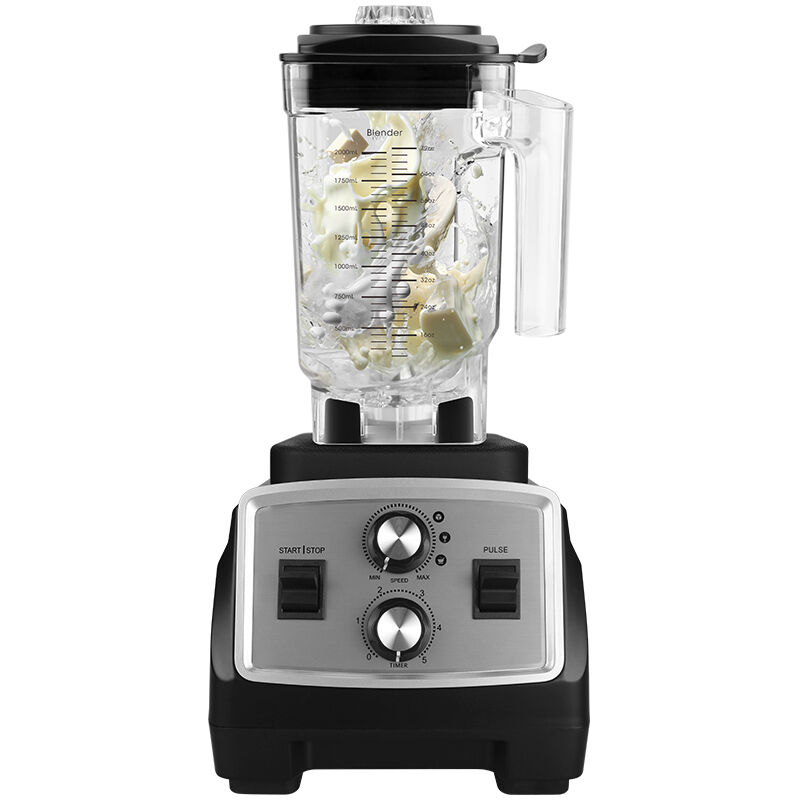
Nutritional Benefits and Dietary Flexibility
Enhanced Nutrient Absorption
The mechanical breakdown of food particles through blending increases the surface area available for digestive enzymes, potentially improving nutrient absorption rates compared to whole food consumption. This process is particularly beneficial for individuals with digestive sensitivities or those seeking to maximize the nutritional value of their food intake. Scientific studies have demonstrated improved bioavailability of certain nutrients when foods are properly processed before consumption.
The ability to incorporate typically difficult-to-consume ingredients, such as flax seeds, chia seeds, or spirulina, into palatable formats expands the nutritional diversity of daily meals significantly. These superfoods often require specific preparation methods to unlock their full nutritional potential, which high-quality blending equipment can provide consistently. The result is enhanced overall nutrition without the complexity typically associated with specialty ingredient preparation.
Dietary Accommodation and Customization
Modern food blenders accommodate various dietary restrictions and preferences by enabling the creation of dairy-free, gluten-free, and plant-based meal options without compromising taste or nutritional value. The ability to control ingredient quality and sourcing provides transparency that commercial alternatives often lack. This capability is essential for individuals managing food allergies, intolerances, or specific health conditions that require careful dietary management.
The customization potential extends to texture preferences, allowing individuals to create meals that meet personal palatability standards while maintaining nutritional objectives. Some people prefer thicker consistency while others favor lighter textures, and proper blending equipment can accommodate these preferences without altering the fundamental nutritional composition. This personalization aspect significantly improves long-term adherence to healthy eating patterns.
Cost-Effectiveness and Sustainability Considerations
Economic Advantages of Home Preparation
Utilizing a food blender for meal preparation provides substantial cost savings compared to purchasing pre-made smoothies, protein shakes, or meal replacements from commercial sources. The ability to buy ingredients in bulk and process them at home reduces per-serving costs while maintaining control over ingredient quality and nutritional content. This economic efficiency makes healthy eating more accessible to individuals operating within budget constraints.
The longevity of properly maintained blending equipment ensures that initial investment costs are amortized over years of consistent use, further improving the cost-effectiveness of home meal preparation. Quality units designed for regular use can process thousands of meals over their operational lifetime, making the per-use cost negligible compared to commercial alternatives. This financial efficiency supports long-term commitment to healthy eating practices.
Environmental Impact and Waste Reduction
Home blending significantly reduces packaging waste associated with commercial smoothies and meal replacement products, contributing to more sustainable consumption patterns. The ability to use whole fruits and vegetables, including peels and stems that are often discarded, maximizes ingredient utilization while minimizing food waste. This approach aligns with environmental consciousness while providing additional nutritional benefits from typically unused plant components.
The reduction in single-use containers, plastic bottles, and disposable packaging associated with commercial meal options represents a meaningful contribution to environmental sustainability. Individuals who consistently prepare blended meals at home can eliminate hundreds of disposable containers annually while maintaining their nutritional objectives. This environmental benefit adds value beyond the immediate health and economic advantages of home meal preparation.
FAQ
What ingredients work best for healthy meal prep blending
The most effective ingredients for healthy meal prep blending include leafy greens like spinach and kale, frozen fruits for texture and sweetness, protein sources such as Greek yogurt or plant-based protein powders, healthy fats from avocado or nut butters, and liquid bases like coconut water or unsweetened almond milk. These ingredients provide comprehensive nutrition while creating appealing flavors and textures that support consistent consumption habits.
How often should blended meals be consumed for optimal health benefits
Most nutrition professionals recommend incorporating blended meals into daily routines rather than relying on them exclusively, typically suggesting one to two blended meals per day as part of a balanced diet that includes whole foods. This frequency allows individuals to benefit from the convenience and nutrient density while maintaining dietary variety and supporting healthy digestion through varied food textures and preparation methods.
Can food blenders handle tough ingredients like nuts and seeds effectively
High-quality food blenders with powerful motors and sharp blades can effectively process nuts, seeds, and other tough ingredients, though the specific capabilities depend on the unit's specifications and design. Professional-grade blenders typically handle these ingredients better than basic models, creating smooth textures without leaving chunks or requiring pre-soaking. The key is matching the blender's capabilities to the intended ingredients and preparation requirements.
What storage methods work best for pre-prepared blended meals
Pre-prepared blended meals maintain optimal quality when stored in airtight glass containers in refrigerated conditions for up to 24-48 hours, though some ingredients may separate naturally and require brief re-blending before consumption. Adding citric acid sources like lemon juice can help preserve color and nutritional content, while freezing portions in individual containers extends storage life to several weeks while maintaining most nutritional benefits.